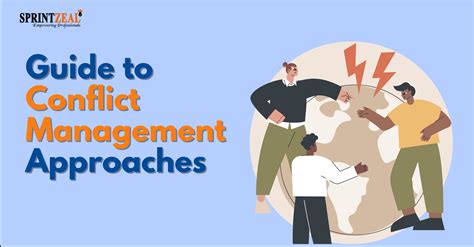
How do mod developers effectively manage toxic community feedback on their game mods?

Navigating the Storm: Managing Toxic Feedback in Modding Communities
Modding communities are vibrant hubs of creativity and passion, but they can also be hotbeds for toxic feedback. For dedicated mod developers, this isn’t just an annoyance; it’s a significant threat to their motivation and well-being. Unlike professional game studios with dedicated community managers, most modders operate solo or in small teams, making the emotional toll of relentless negativity particularly heavy. Effectively managing this feedback is crucial not only for the modder’s sanity but also for the longevity and health of their project.
The Unique Challenge for Mod Developers
Mod developers often create content out of passion, spending countless hours without direct financial compensation. This altruistic drive makes them especially vulnerable to entitled or overly critical feedback. Players, sometimes forgetting the voluntary nature of modding, can demand features, complain aggressively about bugs, or even send abusive messages. The anonymity of the internet often exacerbates this behavior, leading to what can feel like a constant barrage of negativity.

Proactive Strategies for Prevention
The best defense against toxic feedback is often a good offense. Establishing clear boundaries and communication channels can significantly reduce the potential for misunderstandings and aggression.
Clear Communication & Expectations
- Define Scope and Limitations: Clearly state what your mod aims to do, what it doesn’t, and any known limitations. Use your mod page, READMEs, and community forums for this. Managing expectations upfront can prevent many complaints.
- Set Support Boundaries: Indicate how and when you’re available for support. Explicitly state if you cannot provide one-on-one troubleshooting or if certain types of requests (e.g., highly specific compatibility issues) are beyond your scope.
- Release Cycles: If you’re releasing alpha/beta versions, make it clear that bugs are expected and that the focus is on testing, not polished gameplay.
Robust Community Guidelines
Implementing and enforcing strong community guidelines is non-negotiable. These guidelines should clearly outline acceptable behavior, types of feedback that will be ignored or removed, and the consequences for violating these rules. Tools and platforms like Discord or forums usually offer ways to set these rules.

Reactive Strategies for Management
Despite proactive measures, some toxic feedback will inevitably slip through. How a mod developer reacts can make all the difference.
Effective Moderation
Even for solo developers, moderation is key. This might involve:
- Platform Tools: Utilize built-in moderation tools on Nexus Mods, Steam Workshop, GitHub, or Discord (e.g., banning, muting, deleting comments).
- Delegate if Possible: If your community grows, consider recruiting trusted volunteers to help moderate forums or Discord servers. A good moderator can filter out toxicity before it reaches you.
- Zero Tolerance for Abuse: Establish a clear policy against personal attacks, hate speech, or harassment. These comments should be removed immediately, and the perpetrator blocked/banned without engagement.
Focus on Constructive Criticism
Learn to differentiate between genuinely helpful criticism and toxic rants. Constructive feedback, even if critical, offers specific details about issues or suggestions for improvement without being personal or aggressive. Prioritize these comments and engage with them respectfully.
When to Engage, When to Ignore
It’s crucial to pick your battles. Engaging with every toxic comment often fuels the fire and wastes valuable time and emotional energy. Ignore:
- Vague or Undefined Complaints: “Your mod sucks” offers no actionable information.
- Personal Attacks: These are not about the mod; they are about the person.
- Entitled Demands: Those phrased as commands rather than requests, especially without politeness or understanding of the mod’s scope.
Respond only when you can provide a factual correction, ask for more details to turn a complaint into constructive feedback, or direct the user to existing documentation.
Developer Well-being: The Non-Negotiable Aspect
Ultimately, managing toxic feedback is about protecting yourself. Modding is a hobby for most, and it should remain enjoyable. Don’t let a few negative voices overshadow the positive impact your work has. Remember:
- Take Breaks: Step away from the computer and community interactions when feeling overwhelmed.
- Focus on Positive Feedback: Actively seek out and appreciate positive comments, bug reports, and thank yous. These remind you why you started modding.
- Set Boundaries for Yourself: Decide how much time you’re willing to spend on community management versus actual development.
- Don’t Internalize: Understand that toxicity often stems from the commenter’s own issues, not necessarily a reflection of your mod’s quality or your worth as a developer.

Conclusion
Managing toxic community feedback is an ongoing challenge for mod developers. By implementing proactive communication strategies, enforcing clear community guidelines, and employing smart moderation techniques, modders can significantly mitigate its impact. Most importantly, prioritizing personal well-being ensures that the passion for creation remains intact, allowing mod developers to continue enriching gaming experiences for thousands, free from the shadow of unwarranted negativity.