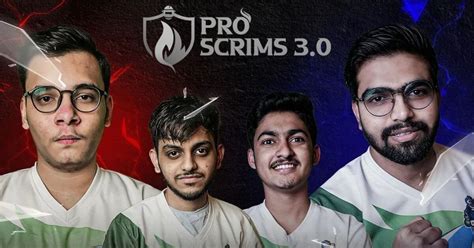
How do pro esports players avoid burnout during intense competitive seasons?
Navigating the Gauntlet of Professional Esports
The life of a professional esports player is often perceived as glamorous, filled with high-stakes competition, adoring fans, and significant prize money. However, beneath the surface lies an intense, high-pressure environment that demands extreme dedication, long hours, and peak performance under constant scrutiny. Competitive seasons can stretch for months, involving rigorous practice schedules, travel, and the immense psychological burden of wins and losses. This demanding lifestyle makes professional burnout a significant and ever-present threat to player health and career longevity.
To not only survive but thrive in this relentless grind, top esports organizations and players have developed sophisticated strategies to mitigate burnout. These strategies extend far beyond simply ‘playing less’ and delve into holistic approaches encompassing physical health, mental fortitude, structured training, and a vital emphasis on work-life balance.
Structured Training and Deliberate Practice
Gone are the days when ‘grinding’ for 14+ hours was the sole metric of dedication. Modern esports teams emphasize structured training schedules designed for efficiency and player well-being. This includes carefully planned practice blocks, dedicated time for VOD (video on demand) review, strategy sessions, and crucial, mandatory breaks. Over-practicing can lead to diminishing returns, fatigue, and frustration, so pros learn to optimize their time, focusing on deliberate practice that targets specific weaknesses rather than aimless repetition.
Many teams also implement ‘scrim’ (scrimmage) limits and ensure players have off-days or lighter training days to prevent mental fatigue from setting in. Understanding when to step away from the game, even briefly, is a learned skill that prevents mental blocks and preserves passion.
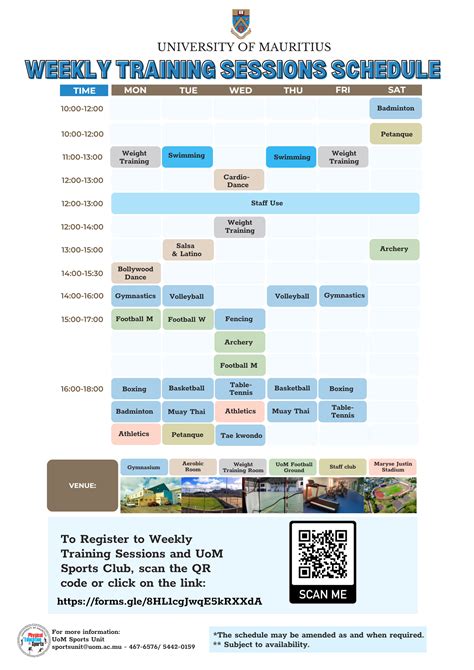
Prioritizing Physical Health as a Foundation
While esports is often seen as a sedentary activity, physical health plays a surprisingly crucial role in mental resilience and performance. Professional players understand that a healthy body supports a healthy mind, directly impacting reaction times, focus, and overall stamina during long matches.
- Regular Exercise: Many organizations now employ fitness coaches. Players engage in gym workouts, cardio, and even team sports to improve circulation, reduce stress, and break the monotony of sitting.
- Nutrition: A balanced diet, often prepared by team chefs or advised by nutritionists, replaces fast food and sugary snacks. Proper fuel ensures stable energy levels and cognitive function.
- Quality Sleep: Consistent sleep schedules are paramount. Adequate rest allows the brain to process information, consolidate learning, and recover from the day’s mental exertions. Sleep deprivation is a quick path to irritability and impaired decision-making.
Cultivating Mental Resilience and Support
The psychological toll of competitive esports can be immense. Dealing with public criticism, high-pressure situations, and the constant threat of loss requires robust mental fortitude. This is where dedicated mental health support becomes invaluable.
- Sports Psychologists: Many top teams work with sports psychologists who teach players coping mechanisms, stress management techniques, visualization, and mindfulness. These professionals help players process losses, manage anxiety, and maintain a positive mindset.
- Team Cohesion: A strong, supportive team environment where players can openly discuss struggles and rely on each other is a powerful buffer against burnout. Trust and camaraderie alleviate individual pressure.
- Mindfulness and Meditation: Simple techniques like deep breathing and short meditation sessions can help players stay present, reduce anxiety, and improve focus during critical moments.

The Importance of Life Beyond the Game
One of the most effective ways to avoid burnout is to ensure that a player’s identity isn’t solely tied to their gaming performance. Developing interests and relationships outside of esports provides a vital outlet and perspective.
- Hobbies: Encouraging players to pursue non-gaming hobbies – whether it’s playing an instrument, reading, hiking, or cooking – allows them to disconnect, recharge, and find joy in different activities.
- Social Life: Maintaining connections with friends and family outside the competitive sphere provides emotional support and reminds players of a life beyond rankings and tournaments.
- Regular Breaks and Vacations: Scheduled time off, especially between competitive seasons, is crucial for full mental and physical reset. This allows players to return refreshed and re-motivated.

Sustaining Peak Performance Long-Term
Avoiding burnout in professional esports is not a one-time fix but an ongoing, active process that requires discipline, self-awareness, and the right support system. By integrating structured training, prioritizing physical and mental health, fostering supportive team environments, and embracing a life outside of the game, pro esports players can build sustainable careers, maintain their passion, and continue to perform at the highest level through even the most grueling competitive seasons. It’s a testament to the evolving understanding of what it takes to be a true professional in the digital arena.