How do pro esports players effectively review replays to improve strategy?

In the high-stakes world of professional esports, success isn’t just about raw mechanical skill or lightning-fast reflexes. A significant portion of a pro player’s improvement comes from a disciplined, analytical approach to game review, particularly through the effective use of replays. These recorded matches are invaluable educational tools, offering a crystal-clear look at past performance, strategic blunders, and moments of brilliance. But simply watching a replay isn’t enough; true improvement stems from a structured, analytical process.
The Foundations of Effective Replay Analysis
Before diving into a replay, professional players often set clear objectives. Are they looking to identify individual mechanical mistakes, evaluate team coordination, or scout an opponent’s tendencies? This targeted approach prevents aimless viewing. They prioritize recent losses, as these often contain the most actionable insights into what went wrong. However, winning games are also reviewed to understand what worked well and why, ensuring those successful strategies can be replicated and refined.

Key areas of focus include decision-making at crucial moments, resource management (economy, cooldowns, ultimate abilities), positioning, and overall map awareness. Players pay close attention to the lead-up to critical engagements – where did they move, what information did they have, and what assumptions did they make? This granular examination helps uncover the root causes of both success and failure, rather than just the immediate outcomes.
Tools and Techniques for Deep Dive Review
Pro players utilize various in-game replay tools to their fullest potential. This includes slowing down footage to dissect complex team fights frame-by-frame, using fog-of-war toggles to understand what information was available to each team at any given moment, and switching perspectives to observe individual player actions. Some games even offer in-built drawing tools or third-party overlay software that allows players to mark specific areas, draw lines of engagement, or highlight critical paths.
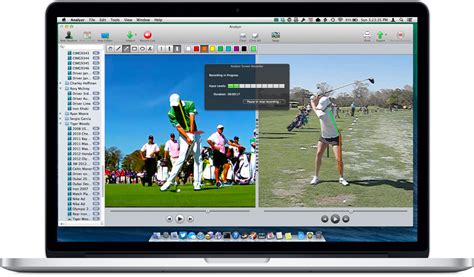
Note-taking is another crucial aspect. Players often keep detailed logs, jotting down timestamps for significant events, personal mistakes, opponent’s patterns, and potential strategic adjustments. These notes serve as a reference for future practice sessions and can be compiled into a database of insights over time, aiding in the development of a comprehensive strategy playbook.
Individual vs. Team Review Processes
Replay review often bifurcates into individual and team-based sessions. Individually, players focus on their personal performance: mechanical execution, micro-decisions, and adherence to team strategy. They might identify specific bad habits, such as over-extending, poor utility usage, or predictable movement patterns, and then create targeted drills to correct them.
Team reviews, usually led by a coach or in-game leader (IGL), are paramount for refining collective strategy. Here, the focus shifts to macro-level decisions, team coordination, objective control, and communication breakdowns. The team collectively analyzes engagements, discussing alternative approaches, optimal rotations, and how to better capitalize on advantages or mitigate disadvantages. Constructive criticism is vital, fostering an environment where mistakes are viewed as learning opportunities rather than personal failings.
Implementing Lessons and Iterating Strategy
The final, and perhaps most critical, step is translating replay insights into actionable improvements. Identified issues are addressed in practice sessions, scrims, and subsequent competitive matches. Players might dedicate specific practice time to correcting identified mechanical flaws, while teams implement new call-outs, execute revised objective timings, or adapt their draft strategies based on opponent scouting from replays.

Esports strategy is not static; it’s a constantly evolving landscape. Pro players understand that the replay review process is cyclical. Every match provides new data, new lessons, and new opportunities for refinement. By consistently and systematically analyzing their gameplay, both individually and as a team, professional esports players ensure they are always learning, adapting, and pushing the boundaries of competitive excellence.