



How do pro esports teams quickly adapt to major patch changes & meta shifts?

The Ever-Shifting Landscape of Esports
In the high-stakes world of professional esports, success is fleeting for those who cannot adapt. Game developers regularly release major patches that overhaul mechanics, rebalance characters, or introduce entirely new features. These changes can dramatically shift the ‘meta’ – the current most effective tactics available – rendering previously dominant strategies obsolete overnight. For pro teams, the ability to quickly understand, adapt to, and master these shifts is paramount to staying competitive and securing victories.
Immediate Patch Analysis: The War Room
The adaptation process begins even before a patch goes live, often with the release of detailed patch notes. This is where a team’s coaching staff and dedicated analysts shine. They meticulously dissect every change, looking for hidden synergies, potential power spikes, and critical weaknesses. They identify which characters (heroes, champions, agents) have been buffed or nerfed, which items or abilities have changed, and how these alterations might ripple through the game.
This initial analysis is crucial for forming hypotheses about the new meta. It’s like a military strategy session, anticipating enemy moves before the battle even begins. The goal is not just to understand the changes, but to predict their impact on team compositions, map control, and overall game flow.

Rapid Experimentation and Scrims
Once the patch is live, theory is put to the test. Pro teams dive into extensive practice sessions, often called ‘scrims’ (scrimmages) against other top-tier teams. This isn’t just about playing; it’s about active experimentation. Teams will try out numerous new character combinations, item builds, and strategic approaches based on their initial analysis.
These scrims are invaluable. They provide real-world feedback on what works and what doesn’t under pressure. Coaches and analysts closely monitor these sessions, recording data, observing player performance, and refining strategies in real-time. Communication within the team is vital, as players articulate what feels strong, what feels weak, and what new opportunities or threats the patch has created.

Data-Driven Decisions and Analytics
Beyond anecdotal evidence from scrims, professional teams heavily rely on data analytics. Sophisticated software tracks various in-game metrics: damage dealt, healing done, vision control, objective timings, and more. This data helps validate or disprove initial theories about the meta. Are certain characters indeed performing better? Are specific strategies leading to higher win rates?
Analysts comb through this data to identify trends, optimal build paths, and counter-strategies. This quantitative approach helps cut through biases and emotions, providing objective insights that guide decision-making. It’s a continuous feedback loop: analyze, hypothesize, experiment, collect data, refine, and repeat.

Player Flexibility and Skill
Ultimately, the burden of adaptation falls on the players themselves. Individual skill and a deep understanding of the game’s mechanics are foundational. However, equally important is player flexibility. A player with a narrow ‘champion pool’ (the range of characters they can play effectively) might struggle if their signature characters are nerfed or fall out of the meta.
Pro players are expected to be versatile, capable of mastering new characters or adapting their playstyle to suit the evolving meta. This often means dedicating countless hours to practicing new roles, abilities, and positioning. Their ability to quickly grasp new concepts and execute them flawlessly under pressure is a testament to their dedication and talent.
Iteration, Refinement, and Mental Game
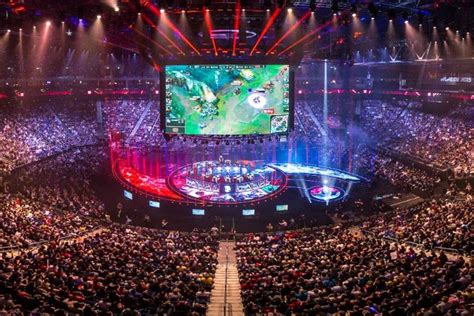
The adaptation process is not a one-time event; it’s a constant cycle of iteration and refinement. Even after major tournaments, teams continue to analyze, practice, and adjust as minor patches roll out or as other teams discover new optimal strategies. The mental aspect is also critical. The pressure to perform while constantly learning can be immense.
Teams foster an environment of trust, open communication, and constructive criticism. Players must be resilient, able to shake off losses, and maintain a positive attitude through periods of intense learning and potential setbacks. The ability to stay focused and motivated during this demanding period is as crucial as any in-game skill.

Conclusion: The Adaptable Elite
The rapid adaptation of professional esports teams to major patch changes and meta shifts is a complex, multi-faceted process. It involves a sophisticated interplay of analytical prowess from coaching staff, rigorous experimentation in scrims, data-driven decision-making, exceptional player flexibility, and strong team cohesion. This continuous cycle of learning and evolving is what separates the elite from the rest, ensuring that only the most adaptable teams can consistently reach the pinnacle of competitive gaming.