How do pro players combat burnout & maintain peak mental performance in long seasons?

The world of professional esports is exhilarating but relentlessly demanding. Long seasons, intense practice schedules, and high-stakes competitions push players to their mental and physical limits. For pro players, merely possessing raw talent isn’t enough; the ability to consistently perform at an elite level, season after season, hinges on their strategies to combat burnout and maintain peak mental performance. This involves a disciplined, holistic approach that goes far beyond just in-game mechanics.
The Foundation: Structured Routines and Discipline
One of the most critical elements is a meticulously structured daily routine. Unlike casual gamers, pros treat their career like any other high-performance profession. This means scheduled practice blocks, but critically, also scheduled breaks, meal times, and a consistent sleep schedule. Irregular sleep patterns are a known destroyer of cognitive function, and top players prioritize 7-9 hours of quality sleep to ensure optimal reaction times, decision-making, and emotional regulation.
Breaks aren’t just for resting; they’re essential for mental reset. Short, regular breaks away from the screen prevent cognitive fatigue. These might involve a quick stretch, a walk, or engaging in a non-gaming activity. This structured approach helps prevent the feeling of being constantly “on” and allows the brain to process information and recover.

Physical Well-being: The Unsung Hero
While esports is often perceived as sedentary, physical health plays an enormous role in mental performance. Regular exercise, even moderate activity, improves blood flow to the brain, reduces stress, and enhances mood. Many pro teams now incorporate gym sessions, cardio, or even team sports into their training regimen.
Nutrition and hydration are equally vital. A diet rich in brain-boosting nutrients and adequate water intake prevents energy crashes, maintains focus, and supports overall cognitive function. Sugary drinks and processed foods, while tempting, are detrimental to sustained mental acuity.
Mental Fortitude and Support Systems
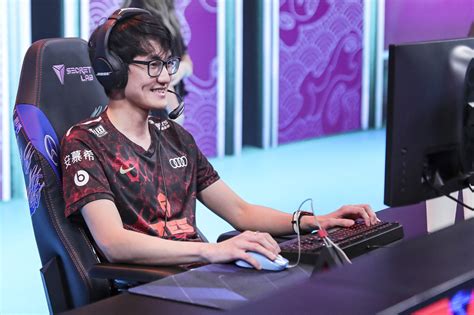
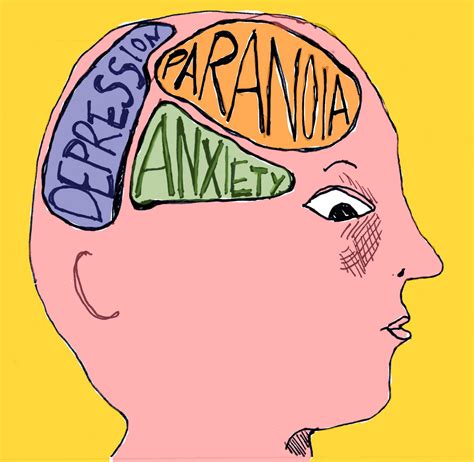
The psychological toll of competitive gaming is immense. Pro players often work with sports psychologists who teach techniques like mindfulness, visualization, and stress management. Mindfulness helps players stay in the present moment, reducing anxiety about past mistakes or future outcomes. Visualization can improve in-game performance by mentally rehearsing strategies and plays.
Beyond professional help, a strong support system within the team is crucial. Open communication, mutual respect, and the ability to constructively address issues foster a healthy team environment. Teammates can provide emotional support, share the burden of pressure, and help each other recognize signs of impending burnout.
Balancing Pressure with Strategic Downtime
Maintaining peak performance isn’t about constant grinding; it’s about intelligent work and strategic rest. Pro players learn to identify their personal limits and set boundaries. This might mean saying no to extra scrims when fatigued or intentionally scheduling days off. It’s also about disconnecting entirely from the game during off-hours, pursuing hobbies, or spending time with loved ones to recharge.
Managing expectations, both internal and external, is another skill. Understanding that bad days or losses are inevitable, and focusing on improvement rather than perfection, helps mitigate the emotional rollercoaster of competitive play. Learning from mistakes without dwelling on them is a cornerstone of mental resilience.
Post-Season Recovery and Long-Term Longevity
The end of a long competitive season doesn’t mean jumping straight into the next. Strategic off-seasons are vital for full recovery. This period allows players to physically and mentally decompress, address any lingering issues, and return with renewed motivation. Some might travel, visit family, or simply take a complete break from gaming.
This long-term view is essential for a sustainable career. Players who don’t prioritize recovery often face early retirements due to burnout or declining performance. Investing in their well-being ensures not just peak performance in the short term, but also longevity in a demanding industry.

Combating burnout and maintaining peak mental performance in professional esports is a testament to holistic athlete development. It requires more than just mechanical skill; it demands a rigorous commitment to structured routines, physical health, mental fortitude, and strategic rest. By adopting these comprehensive strategies, pro players not only survive the grueling seasons but thrive, cementing their place as elite competitors in a rapidly evolving landscape.