How do pro players maintain mental resilience and avoid tilt in high-stakes esports matches?
The Unseen Battleground: Mental Fortitude in Esports
While mechanical skill and game knowledge are undeniably crucial, the true differentiator for professional esports players often lies in their mental game. High-stakes matches, with millions of dollars and global recognition on the line, amplify pressure to an extreme degree. It’s not enough to be good; players must be mentally resilient, capable of performing under duress, adapting to setbacks, and, crucially, avoiding ’tilt’ – the emotional spiral that devastates performance.
Pro players cultivate a robust mental framework through a combination of structured preparation, in-game techniques, and disciplined off-game habits. This holistic approach ensures they can consistently perform at their best, even when the stakes are highest.
Pre-Game Rituals and Mindset Conditioning
Before stepping into the virtual arena, many professional players engage in specific rituals designed to prime their minds for optimal performance. This isn’t just about warming up their fingers; it’s about entering the correct mental state. This can include meditation, visualization exercises where they imagine successful plays, or listening to specific music that helps them focus and relax. Some use positive affirmations to reinforce self-belief and shut out self-doubt.
Coaches often play a vital role here, helping players manage expectations, process pre-match anxiety, and focus on controllable aspects of their performance. Establishing a routine helps create a sense of normalcy and control in an inherently unpredictable environment, laying the groundwork for mental stability.
In-Game Strategies for Tilt Prevention and Recovery
When the game begins, maintaining mental equilibrium becomes an active process. Pro players utilize several techniques to prevent tilt from taking hold or to recover quickly if a bad play or unfortunate event occurs:
- Active Communication: Clear, concise, and constructive communication with teammates is paramount. It keeps players focused on problem-solving rather than internalizing frustration.
- Resetting Focus: After a mistake, professional players learn to ‘reset.’ This might involve a deep breath, a quick mental reminder to focus on the next objective, or even a brief, self-aware acknowledgment of the error without dwelling on it.
- Strategic Pauses: In games where it’s allowed, a tactical pause can be used to re-evaluate, de-escalate tension, and discuss strategy, effectively breaking a negative momentum swing.
- Emotional Regulation: Through years of practice, players develop the ability to separate their emotions from their decision-making. They learn to identify the early signs of frustration and consciously choose a logical, rather than reactive, response.
Post-Game Analysis and Growth Mindset
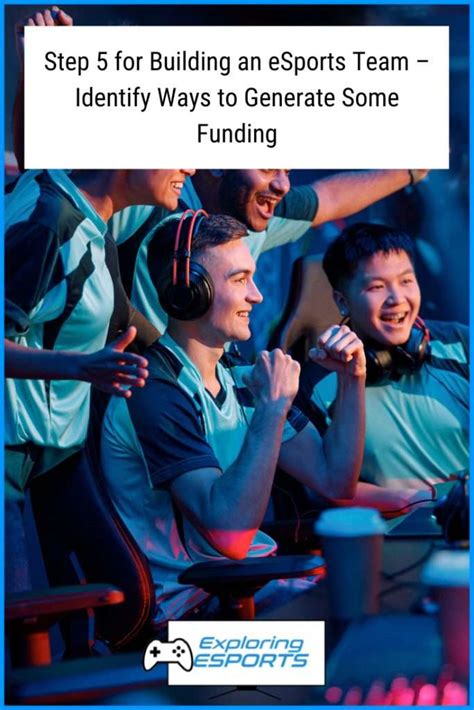
The mental battle doesn’t end with the final whistle. How players process wins and losses is crucial for long-term resilience. Instead of blaming external factors or dwelling on personal failures, professionals adopt a growth mindset. They engage in rigorous VOD (video-on-demand) reviews, critically analyzing their gameplay, decision-making, and communication without personal attacks or emotional outbursts.
This objective analysis helps them identify areas for improvement, learn from mistakes, and prevent similar errors in future matches. A healthy team environment fosters constructive criticism, turning setbacks into learning opportunities rather than sources of demotivation.
The Role of Off-Game Habits and Support Systems
Mental resilience isn’t built solely in front of a screen. The lifestyle choices of professional players significantly impact their ability to handle pressure. Adequate sleep, balanced nutrition, and regular physical exercise are foundational. These elements contribute to better cognitive function, mood regulation, and stress reduction.
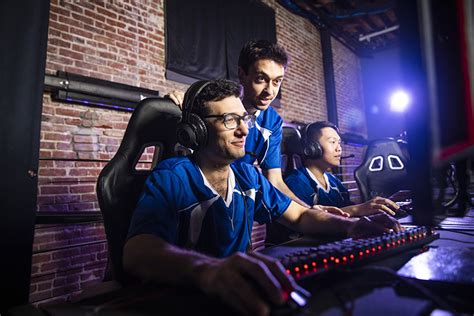
Furthermore, strong support systems – including dedicated sports psychologists, coaches, and a close-knit team – provide vital emotional and mental scaffolding. These professionals help players develop coping mechanisms, manage stress, and process the unique pressures of competitive gaming. Understanding that mental health is as important as physical health is a cornerstone of sustained success.

Conclusion: A Holistic Approach to Peak Performance
Maintaining mental resilience and avoiding tilt in high-stakes esports matches is a multifaceted challenge that pro players meet with a holistic and disciplined approach. It involves meticulous pre-game preparation, active in-game strategies for emotional regulation, constructive post-game analysis, and a commitment to healthy off-game habits supported by a strong team and psychological framework. By mastering their minds as meticulously as their mechanics, these elite athletes navigate the immense pressures of competitive gaming, showcasing that true champions are not just skilled, but mentally impenetrable.