




How do pro players overcome tilt & maintain focus during high-stakes esports matches?

In the electrifying world of esports, where millions of dollars, prestigious titles, and global recognition are on the line, the mental game is often as crucial as mechanical skill. Professional players operate under immense pressure, and their ability to overcome tilt—a state of frustration or anger leading to diminished performance—and maintain razor-sharp focus is what separates champions from the rest. This isn’t merely about raw talent; it’s a meticulously trained skill set that blends psychological discipline with tactical execution.
The Psychological Battlefield: Understanding Tilt
Tilt can manifest in various ways: aggressive overplays, passive play, poor decision-making, or even verbal outbursts. It’s a natural human reaction to stress, setbacks, or mistakes. For pro players, understanding its triggers is the first step toward combating it. Common triggers include early game disadvantages, unexpected critical errors, teammate mistakes, or even simply feeling overwhelmed by the stakes.
Elite players recognize tilt not as a weakness, but as a challenge to be managed. They don’t try to suppress emotions entirely, but rather to channel them constructively or neutralize their negative impact. This self-awareness is cultivated through years of competitive play and often with professional guidance.
Pre-Game Mastery: Laying the Mental Foundation
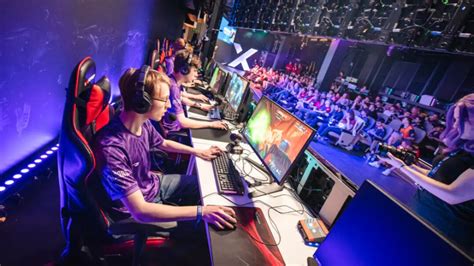
The fight against tilt and for focus begins long before the match starts. Pro players adhere to strict pre-game routines designed to prime their minds for optimal performance.
- Mindset and Visualization: Many players engage in positive self-talk and visualization exercises. They mentally rehearse successful plays, anticipate challenges, and visualize maintaining composure regardless of the outcome. This builds confidence and prepares them for adverse situations.
- Structured Warm-ups: Beyond mechanical warm-ups, psychological warm-ups often include mindfulness exercises, deep breathing techniques, or listening to specific music to get into a ‘flow state.’
- Goal Setting: Instead of focusing solely on winning, players often set process-oriented goals, such as maintaining strong communication, executing specific strategies, or learning from every round. This shifts focus from uncontrollable outcomes to controllable actions.
In-Game Resilience: Strategies for Staying Present
Once the match begins, real-time strategies are essential for maintaining focus and countering tilt.
Tactical Pauses and Resetting
In many esports, brief pauses are allowed. Pro players utilize these moments strategically to take deep breaths, re-center themselves, and discuss the situation calmly with their team. Even without a formal pause, a player might take a moment to look away from the screen, take a sip of water, or simply breathe deeply to break the cycle of frustration.
Effective Communication
Team communication is a powerful tool against individual tilt. Calling out information, sharing emotional states (“I’m getting frustrated here, guys”), or having a teammate offer encouragement can help diffuse tension. Strong teams build an environment of trust where mistakes are acknowledged without blame, fostering a collective problem-solving approach rather than individual despair.
Focusing on the Controllable
Elite players learn to compartmentalize. After a mistake, they quickly process what happened, learn from it, and then immediately shift their focus to the next decision, the next round, the next objective. Dwelling on past errors or uncontrollable external factors (like lag or opponent luck) is a direct path to tilt. They focus only on what they can influence in the present moment.
Building Long-Term Mental Fortitude
Overcoming tilt and maintaining focus isn’t just about in-the-moment tricks; it’s a continuous process of mental development.
Professional Support and Training
Many top esports organizations now employ sports psychologists or mental coaches. These professionals work with players to develop coping mechanisms, stress management techniques, emotional regulation, and strategies for maintaining peak performance under pressure. They might use cognitive behavioral therapy (CBT) techniques, mindfulness practices, or performance psychology principles tailored to the unique demands of esports.

Post-Match Reflection and Growth
Losses are inevitable. Pro players treat every match, especially defeats, as learning opportunities. Through VOD (Video on Demand) reviews, they analyze not just tactical errors but also their emotional responses and decision-making under pressure. This objective analysis helps them identify tilt triggers and develop specific strategies to counter them in future matches.
Lifestyle and Well-being
A strong foundation of physical and mental health is paramount. Adequate sleep, a balanced diet, regular physical exercise, and healthy breaks from gaming are crucial for maintaining cognitive function, emotional stability, and resilience to stress. Burnout and poor physical health can significantly exacerbate tilt and concentration issues.
The Role of Team Dynamics
Ultimately, a supportive team environment is a powerful buffer against individual tilt. Trust, clear roles, mutual respect, and positive reinforcement contribute to a cohesive unit that can weather storms together. A captain who can calm frayed nerves, a teammate who offers constructive criticism without blame, or a simple moment of levity can make all the difference in a high-pressure situation.

The ability of professional esports players to overcome tilt and maintain focus is a testament to their dedication not just to the game, but to their own mental fortitude. It’s a sophisticated blend of self-awareness, pre-game preparation, real-time strategies, and ongoing psychological development. As esports continues to grow, the importance of this mental game will only become more pronounced, defining the champions of tomorrow.