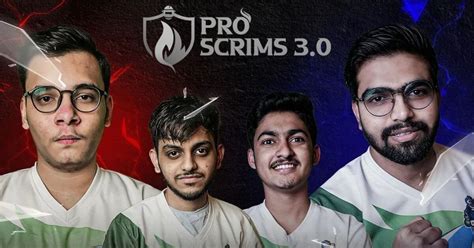
How do pro teams prioritize training: individual mechanics vs. team strategy in competitive play?

In the hyper-competitive world of esports, success hinges on a delicate yet profound balance: the raw individual skill of each player versus the synchronized strategic prowess of the entire team. Professional esports organizations invest immense resources into optimizing both, but the question of how to prioritize individual mechanics versus team strategy is a perennial debate, with the answer often shifting based on the game, the meta, and the team’s current needs.
The Foundation: Mastering Individual Mechanics
At the core of every successful esports player lies a mastery of individual mechanics. This encompasses everything from pinpoint aim and lightning-fast reaction times in first-person shooters, to complex micro-management and spell accuracy in MOBAs, or precise build orders and unit control in real-time strategy games. Without a robust mechanical baseline, even the most brilliant strategies can crumble under pressure.
Pro teams dedicate significant time to refining these foundational skills. Training regimens often include:
- Aim Trainers and Drill Maps: Dedicated software or custom game modes designed to improve accuracy, flick shots, and tracking.
- Deathmatches and Solo Queue: Practicing raw combat skills against other high-level players without the pressure of team strategy.
- VOD Review (Personal): Players meticulously analyze their own gameplay to identify and correct individual errors, suboptimal movements, or missed opportunities.
- Physical and Mental Conditioning: Ensuring players have the stamina, focus, and mental resilience to perform consistently at peak mechanical levels.
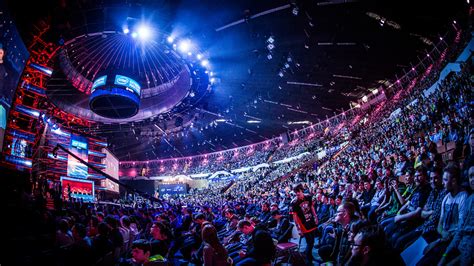
This individual focus ensures that when a player enters a team scenario, their execution of basic tasks is almost automatic, freeing up cognitive load for strategic thinking and communication.
The Edge: Forging Team Strategy and Synergy
While individual brilliance can win skirmishes, sustained victory in competitive play demands superior team strategy and coordination. This involves macro-level decision-making, synchronized rotations, effective communication, objective control, and the ability to execute complex game plans as a cohesive unit. A team that moves, thinks, and reacts as one is often unstoppable, even against mechanically superior opponents.
Training for team strategy is a multi-faceted process:
- Scrims (Scrimmages): The cornerstone of team practice, where teams play against other professional or high-level squads in a competitive environment. This is where strategies are tested, refined, and new tactics are developed.
- VOD Review (Team): Coaches and players collectively analyze replays of their own scrims and official matches, dissecting team movements, callouts, objective execution, and identifying strategic weaknesses or missed opportunities.
- Whiteboard Sessions and Theorycrafting: Dedicated meetings to discuss game meta, develop new strategies, counter-strategies for specific opponents, and refine communication protocols.
- Role-Specific Drills: Practicing specific team compositions, objective pushes, or defensive holds that require precise coordination among roles.
- Communication Drills: Improving clarity, conciseness, and effectiveness of in-game comms, often focusing on situational awareness and priority calls.
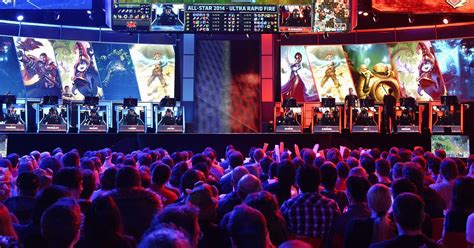
The synergy developed through strategic training allows teams to predict each other’s movements, cover weaknesses, and execute complex plays with a fluidity that transcends individual skill alone.
The Dynamic Balance: When One Takes Precedence
The prioritization between individual mechanics and team strategy is rarely static. It’s a dynamic balance influenced by several factors:
- Game Type: Games like CS:GO or Valorant, with high lethality and precise gunplay, often emphasize mechanics more heavily at the individual level, though team coordination remains paramount. MOBAs like League of Legends or Dota 2, and RTS games like StarCraft II, often lean more heavily on strategic depth and macro-decision making, where individual mechanical precision serves strategic execution.
- Current Meta: A meta favoring aggressive, high-skill ceiling champions/agents might push for more mechanical refinement, while a defensive, objective-focused meta might demand more strategic discipline.
- Team’s Stage of Development: Newer teams might focus more on establishing a strong mechanical baseline for all players, while established teams might prioritize refining complex strategies and patching up communication gaps.
- Pre-season vs. In-season: Pre-seasons often allow for more intensive individual mechanical grinding, while in-season training shifts heavily towards preparing for specific opponents and refining team strategies.
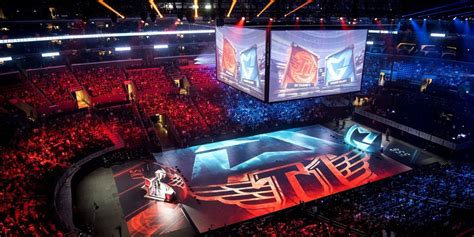
Ultimately, a successful professional team understands that these two pillars are interdependent. Exceptional mechanics enable a wider range of strategic options and more reliable execution, while superior strategy allows a team to leverage its mechanical strengths effectively and mask any minor individual weaknesses.
The Coach’s Guiding Hand
This delicate balancing act is often managed by the coaching staff. Coaches are tasked with assessing the team’s strengths and weaknesses, both individually and collectively. They analyze gameplay data, observe practice sessions, and conduct player evaluations to determine where the team needs the most attention. If individual players are consistently missing shots or making micro-level errors, mechanical drills might be prioritized. If the team struggles with rotations, objective control, or communicating under pressure, strategic refinement becomes the focus.
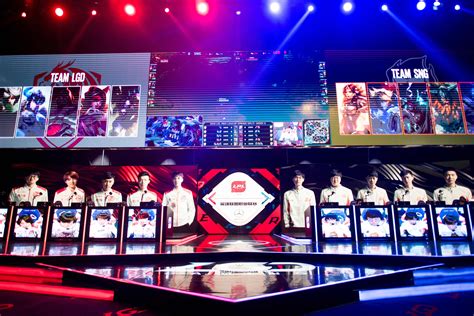
A good coach knows when to push for more solo grind time and when to gather the team for intensive VOD review and tactical discussions, ensuring that training resources are allocated efficiently to maximize performance.
Conclusion: The Synergy of Skill and Strategy
There is no universal formula for prioritizing individual mechanics over team strategy in professional esports; instead, it’s a continuous, adaptive process. Elite teams recognize that true competitive dominance emerges from the powerful synergy between impeccably honed individual skills and a flawlessly executed collective strategy. Players must be mechanically proficient enough to execute complex maneuvers, and the team must be strategically astute enough to put those mechanics into the most impactful situations. It’s the constant, intelligent interplay and adaptation between these two fundamental pillars that ultimately defines a championship-winning esports team.