How do pros manage tilt and maintain focus during high-stakes competitive matches?
In the electrifying arenas of professional esports, where millions of dollars and global prestige hang in the balance, a player’s mental game is often as critical as their mechanical skill. High-stakes competitive matches are notorious crucibles, testing not just reflexes but also emotional resilience and unwavering focus. The phenomenon of “tilt” — a state of frustration or anger leading to deteriorating performance — is a formidable adversary for even the most seasoned pros. So, how do these elite athletes keep their cool and maintain precision when the pressure cooker boils?
Understanding Tilt: The Invisible Opponent
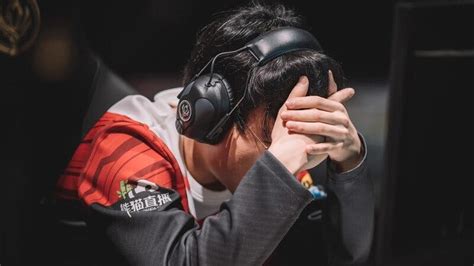
Tilt isn’t merely being upset; it’s a cascade of negative emotions—frustration, anger, anxiety, or despair—that disrupts rational decision-making and mechanical execution. It can be triggered by a single misplay, an unexpected loss, or even critical in-game comments. For pros, recognizing the early signs of tilt, both in themselves and their teammates, is the first step toward combating it. They learn to identify physiological responses like increased heart rate or shallow breathing, and psychological cues such as tunnel vision or impulsive actions.
Pre-Game Rituals: Building a Mental Fortress
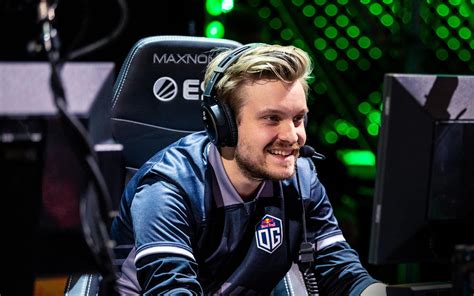
Long before the match begins, professional players engage in deliberate rituals designed to optimize their mental state. This includes structured warm-ups, not just for their hands, but for their minds. Many incorporate mindfulness exercises, meditation, or controlled breathing techniques to enter a state of calm alertness. Strategic discussions with coaches and teammates reinforce game plans and establish clear communication protocols, creating a sense of preparedness that minimizes pre-game anxiety. Some also listen to specific music or engage in light-hearted banter to relax and foster team cohesion.
In-Game Strategies: Resetting and Refocusing
Once the game is live, tilt can strike at any moment. Pros develop “reset buttons” – quick, deliberate actions to interrupt the negative spiral. This might involve a deep breath, looking away from the monitor for a split second, or a physical gesture like shaking out their hands. Crucially, they practice compartmentalization: focusing intensely on the current moment and the next immediate action, rather than dwelling on past mistakes. Effective communication becomes a shield; constructive, short callouts keep the team anchored and prevent individual players from spiraling into self-blame or frustration. Team leaders often step up to provide calm guidance and reassurance.

The Power of Team Communication and Support
Esports is rarely a solo endeavor. A cohesive team environment is paramount for tilt management. Pros are trained to not only manage their own emotions but also to support their teammates. Positive reinforcement, even after a mistake, helps to maintain morale. Clear, concise, and non-toxic communication during tense moments is vital. Designated shot-callers or in-game leaders often take on the role of guiding the team’s focus, providing strategic direction that overrides individual frustrations. Trust in teammates’ abilities and decision-making helps distribute the mental load and prevents any single player from feeling overwhelmed.

Developing Mental Fortitude: A Long-Term Investment
Managing tilt and maintaining focus isn’t an overnight skill; it’s a continuous process honed through practice, self-reflection, and often, professional sports psychology. Many organizations employ sports psychologists to teach players advanced techniques for emotional regulation, stress management, and maintaining a “growth mindset.” Post-match video (VOD) reviews aren’t just for tactical analysis; they’re also used to identify tilt triggers and analyze how players responded. Learning from losses objectively, without personalizing failure, is a hallmark of mentally strong players. Consistent training, both in-game and mental, builds the resilience needed to perform under extreme pressure.
Sustaining Laser Focus: The Flow State
Beyond tilt management, pros strive for a “flow state” – a complete immersion in the activity, where distractions fade, and performance feels effortless. Achieving this requires eliminating external distractions (noise-canceling headphones, private booths) and internal ones (negative self-talk). They train their attention like a muscle, practicing sustained focus during long scrimmages and competitive sessions. Consistent sleep, nutrition, and physical exercise also play a significant role, ensuring their brains are in optimal condition for peak cognitive function and sustained concentration throughout grueling tournaments.
Ultimately, the ability of professional esports players to manage tilt and maintain focus in high-stakes matches is a testament to their dedication not only to mastering their game but also to mastering themselves. It’s a blend of psychological discipline, strategic preparation, and robust team dynamics, allowing them to consistently perform at the pinnacle of their abilities when it matters most.