How do top esports pros avoid burnout during intense training seasons?

The Relentless Pace of Esports Training
The world of professional esports demands an almost superhuman level of dedication, skill, and endurance. Top players often face gruelling schedules, sometimes logging 10-14 hours a day in practice, strategy sessions, and competitive matches. This relentless pace, coupled with high stakes, constant pressure to perform, and the public scrutiny of every move, creates fertile ground for burnout. Burnout, characterized by physical and emotional exhaustion, cynicism, and reduced efficacy, is a significant threat to a pro player’s career and overall well-being. However, the most successful esports athletes have developed sophisticated strategies to mitigate this risk, ensuring they can sustain their performance and passion season after season.

Structured Breaks and Strategic Scheduling
One of the foundational strategies for avoiding burnout is the implementation of highly structured schedules that intentionally incorporate breaks. Elite teams and individual pros understand that continuous play is counterproductive. Instead, they schedule specific blocks for gameplay, VOD (video on demand) review, team meetings, and crucially, downtime. This includes short, active breaks away from the screen every hour or two, as well as longer periods away from the game each day. Many organizations also enforce mandatory off-days or ‘mental reset’ periods during intense seasons to prevent accumulation of fatigue.
Strategic scheduling extends to managing travel, media obligations, and even the type of practice. Varying the training routine – switching between solo queue, scrims, custom game drills, and theoretical discussions – helps keep the mind engaged and prevents monotony. Coaches play a vital role in monitoring player engagement and fatigue levels, adjusting schedules proactively to prevent signs of burnout before they become critical.
Prioritizing Physical Health and Nutrition
While esports is often perceived as a sedentary activity, top pros treat their bodies with the same care as traditional athletes. Physical health is recognized as intrinsically linked to mental acuity and emotional resilience. Regular exercise, including cardio and strength training, helps to improve circulation, reduce stress, and enhance sleep quality. Many esports organizations now employ fitness coaches and provide gym access to their players.
Nutrition and hydration are equally critical. A balanced diet, rich in essential nutrients and low in processed foods and excessive caffeine, fuels the brain and body more effectively than typical gamer snacks. Proper hydration is essential for cognitive function and preventing headaches or fatigue. Adequate, high-quality sleep is perhaps the most vital component, allowing the brain to consolidate information, process emotions, and recover from the day’s demands. Pros adhere to strict sleep hygiene routines, recognizing it as non-negotiable for peak performance.
Cultivating Mental Fortitude and Resilience
The mental game in esports is as crucial as mechanical skill. Top pros actively work on their mental fortitude through various techniques. Many teams engage sports psychologists who teach mindfulness exercises, meditation, visualization techniques, and cognitive behavioral strategies to manage stress, anxiety, and tilt. Learning to compartmentalize losses, manage expectations, and maintain a positive mindset are invaluable skills that directly combat burnout.
Developing robust coping mechanisms for both in-game frustrations and external pressures is key. This might involve deep breathing exercises, short walks, listening to music, or talking through issues with trusted teammates or staff. The ability to bounce back from setbacks and maintain focus under pressure is a hallmark of elite players, honed through deliberate practice and psychological support.
The Power of Team Environment and Support Systems
A positive and supportive team environment is a powerful buffer against burnout. Strong team cohesion, open communication, and mutual respect allow players to share their burdens, celebrate successes, and collectively navigate challenges. Trust within a team means players feel comfortable admitting when they’re struggling, rather than bottling up stress.
Beyond the immediate team, the broader organizational support system plays a crucial role. This includes managers, coaches, analysts, and even dedicated player support staff who act as mentors, facilitators, and emotional outlets. Having a clear chain of command for reporting issues, resolving conflicts, and seeking help creates a safety net that prevents players from feeling isolated or overwhelmed by the demands of their career.
Personalized Strategies and Off-Game Hobbies
While general strategies apply, each pro also develops personalized methods to manage stress and prevent burnout. This often involves cultivating hobbies and interests outside of gaming. Engaging in activities completely unrelated to esports – whether it’s reading, playing musical instruments, hiking, cooking, or spending time with friends and family – provides a necessary mental escape and a sense of identity beyond their professional role.
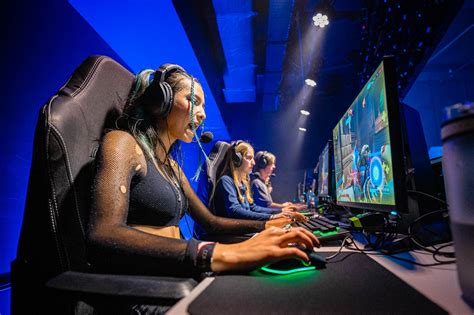
Maintaining a healthy work-life balance, even during intense seasons, is paramount. This personalized approach acknowledges that what recharges one player might not work for another, emphasizing self-awareness and proactive self-care. It’s about finding joy and fulfillment in aspects of life beyond the game, which ultimately fuels their passion and resilience when they return to the competitive arena.
Conclusion: Sustaining Peak Performance
Avoiding burnout in the high-pressure world of professional esports is not accidental; it’s a deliberate and continuous effort. Top pros understand that their long-term success isn’t just about mechanical skill, but also about their physical health, mental resilience, and emotional well-being. By integrating structured breaks, prioritizing physical fitness, cultivating mental fortitude, leveraging strong support systems, and embracing personalized self-care, these athletes demonstrate that sustainable high performance in competitive gaming is a holistic endeavor. Their strategies offer valuable lessons not just for aspiring esports players, but for anyone navigating a demanding and high-stress professional environment.