How do top esports pros train to improve game sense and decision-making?

In the high-stakes world of professional esports, raw mechanical skill is only one piece of the puzzle. What truly separates the champions from the contenders is an exceptional ‘game sense’ and the ability to make lightning-fast, optimal decisions under immense pressure. Game sense encompasses a player’s intuitive understanding of the game state, anticipating opponents’ moves, knowing when to engage or retreat, and grasping the flow of the match. Decision-making, then, is the execution of that understanding into actionable plays. But how do the elite players cultivate these elusive skills? It’s a rigorous, multi-faceted process that goes far beyond simply playing more games.
The Cornerstone: In-Depth VOD Review and Self-Analysis
Perhaps the most critical component of a pro’s training regimen is the meticulous review of their own gameplay, known as Video on Demand (VOD) review. This isn’t just watching highlights; it’s a deep dive into every action, every choice, and every consequence. Pros will often review games individually, then with their coaches, and finally as a team.
During a VOD review session, players look for:
- Mistake Identification: Pinpointing specific misplays, missed opportunities, or incorrect positioning.
- Alternative Plays: Discussing what other options were available at a given moment and why they might have been better or worse.
- Understanding the ‘Why’: Analyzing the thought process behind a decision, whether it was based on insufficient information, misjudgment, or a lapse in focus.
- Pattern Recognition: Identifying personal tendencies that opponents might exploit and working to break bad habits.
Structured Scrims and Collaborative Learning
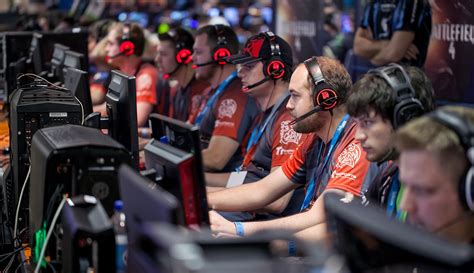
While solo queue offers individual practice, nothing replicates the intensity and coordination of professional scrims (practice matches) against other top-tier teams. Scrims are not just about winning; they are laboratories for experimentation and refinement. Every scrim is followed by an extensive debrief session.
During debriefs, teams analyze:
- Team Communication: Evaluating the clarity, timing, and effectiveness of calls made during the game.
- Strategic Execution: Assessing how well pre-planned strategies were implemented and identifying breakdowns.
- Synergy and Rotations: Understanding how individual decisions impacted team movements and overall map control.
- Opponent Adaptations: Discussing how opponents reacted to their strategies and how they could have countered more effectively.
This constant feedback loop, both real-time during the game and post-game, hones a player’s ability to think collectively and make decisions that benefit the entire squad.
Deep Dive into Opponent Analysis and Meta Understanding
A significant portion of a pro’s training involves studying their competition and the prevailing meta (most effective tactics available) of their game. This includes:
- Opponent Tendencies: Scouting specific players and teams to understand their preferred champions/heroes, item builds, rotational patterns, and aggression levels.
- Patch Analysis: Diligently studying every new game patch, understanding how changes to characters, items, or maps impact the meta. This requires analytical thinking to predict future strategies.
- Theorycrafting: Experimenting with new strategies, builds, or compositions in practice to push the boundaries of the current meta and gain an edge.
This proactive approach ensures that pros are not just reacting to the game but are often at the forefront of defining how it’s played.

Cultivating Mental Fortitude and Pressure Training
Game sense and decision-making can falter under pressure. Top pros train their minds as much as their mechanics. This involves:
- Simulated Pressure: Practicing in high-stakes environments, such as custom lobbies with specific rules or against rival teams, to desensitize themselves to competitive stress.
- Mindfulness and Focus: Employing techniques like meditation or structured breathing exercises to improve concentration and maintain composure during critical moments.
- Emotional Regulation: Learning to manage tilt, frustration, or overconfidence, which can cloud judgment and lead to poor decisions.
The ability to remain calm, analytical, and decisive when everything is on the line is a hallmark of an esports champion.
Targeted Drills and Repetition
While much of game sense is developed through complex scenarios, specific drills also play a role. These might include:
- Custom Maps/Scenarios: Practicing specific mechanics or decision points repeatedly in custom game modes designed for isolated skill training.
- Decision-Making Timers: Setting artificial time limits for certain in-game decisions to force faster processing.
- Map Awareness Drills: Exercises focused purely on mini-map checking, tracking enemy positions, and predicting rotations.
Repetition of these core elements helps ingrain good habits and allows pros to make many micro-decisions almost instinctively, freeing up cognitive load for macro-level strategy.
Conclusion
The journey to elite game sense and decision-making in esports is a relentless pursuit involving deep self-analysis, collaborative team effort, strategic opponent study, mental conditioning, and targeted practice. It’s a testament to the dedication required to excel at the highest levels, transforming raw talent into a finely tuned, strategic mind capable of conquering any challenge the virtual arena presents.