How do top Esports teams structure effective scrims & post-match analysis?

In the highly competitive world of Esports, mere talent isn’t enough to secure victory. The path to championship glory is paved with countless hours of deliberate practice, strategic planning, and critical self-evaluation. For elite Esports teams, this largely revolves around two core pillars: effective scrimmages (scrims) and meticulous post-match analysis. These processes are not just casual practice sessions but highly structured environments designed to optimize performance.
The Art of Effective Scrims
Scrims are controlled practice matches against other professional or high-level teams. Unlike public queue games, scrims are an opportunity for teams to test strategies, improve communication, and iron out fundamental execution without the pressure of a live audience or tournament stakes. However, not all scrims are created equal.
Pre-Scrim Preparation: Setting Intentions
- Defined Goals: Before even starting a scrim block, top teams clearly define what they want to achieve. Is it practicing a specific composition, refining early-game rotations, or improving team fight coordination? Without a clear objective, scrims can devolve into aimless play.
- Opponent Selection: Teams often seek out scrim partners that offer different challenges. Some might aim for teams slightly weaker to build confidence and test new strategies, while others might seek out stronger opponents to expose weaknesses and learn from superior play.
- Strategy Outlines: Coaches and players will discuss specific drafts, macro strategies, and player roles for the upcoming scrims, often informed by recent patch changes or upcoming opponents.

During the Scrim: Focused Execution
- Communication Protocols: Effective communication is paramount. Teams practice clear, concise call-outs and develop a shared understanding of in-game terminology.
- Controlled Environments: Scrims are not about winning every game; they are about learning. Teams might intentionally try risky plays or unorthodox strategies to understand their limits and potential.
- Mid-Scrim Adjustments: Good teams don’t wait until the end of a scrim block to discuss issues. Coaches or designated shot-callers will often call for short pauses between games to address immediate problems or pivot strategies.
The Science of Post-Match Analysis
While scrims provide the raw data, post-match analysis is where the real learning happens. This is a critical, often painstaking process where every decision, every movement, and every outcome is scrutinized.
Data Collection and Tool Utilization
Modern Esports relies heavily on data. Teams use specialized software and in-game replay systems to capture detailed statistics, player perspectives, and team movements. Tools like professional replay viewers, statistical dashboards, and custom-built analytics platforms are standard.

Structured Review Sessions
- Full Team VOD Reviews: The entire team, along with coaches, watches replays of scrims or competitive matches. The focus is not just on individual mistakes but on team synergy, strategic execution, and collective decision-making.
- Individual Player Feedback: Coaches provide personalized feedback to each player, often using clips specifically highlighting their performance – both successes and areas for improvement. This is crucial for individual growth and role refinement.
- Macro vs. Micro Analysis: Reviews cover both the big picture (macro-level strategy like objective control, map rotations) and the granular details (micro-level mechanics like spell usage, positioning in team fights).

Identifying Patterns and Actionable Insights
The goal of analysis isn’t just to point out mistakes but to understand why they happened and to derive actionable insights. Teams look for recurring patterns in their gameplay, identify specific weaknesses (e.g., poor vision control on a particular map, struggling against a certain champion), and brainstorm solutions. This often leads to new strategies, adjustments in role responsibilities, or specific individual practice routines.
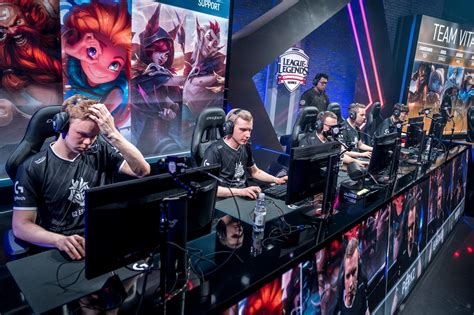
The Feedback Loop: Scrims Inform Analysis, Analysis Informs Scrims
The relationship between scrims and post-match analysis is cyclical. Insights gained from analysis directly influence the objectives and execution of the next scrim block. For instance, if analysis reveals a weakness in early-game aggression, the next set of scrims will explicitly focus on improving that aspect. This continuous feedback loop is what allows top teams to constantly adapt, evolve, and stay ahead of the curve.
Successful Esports organizations invest heavily in coaching staff, analysts, and infrastructure to support these rigorous processes. It’s a testament to the idea that in competitive gaming, just like traditional sports, deliberate practice and critical self-evaluation are the true hallmarks of sustained excellence.