How do top players adapt to major game patch changes in competitive Esports?

In the high-stakes world of competitive Esports, the ground beneath players’ feet is constantly shifting. Major game patch changes, which can introduce new characters, alter abilities, tweak item stats, or even overhaul game mechanics, are a regular occurrence. For professional players whose careers depend on their mastery of the current game state, adapting to these seismic shifts is not merely a challenge but a fundamental skill. So, how do the elite navigate these turbulent waters and emerge on top?
The Immediate Aftermath: Analysis and Theorycrafting
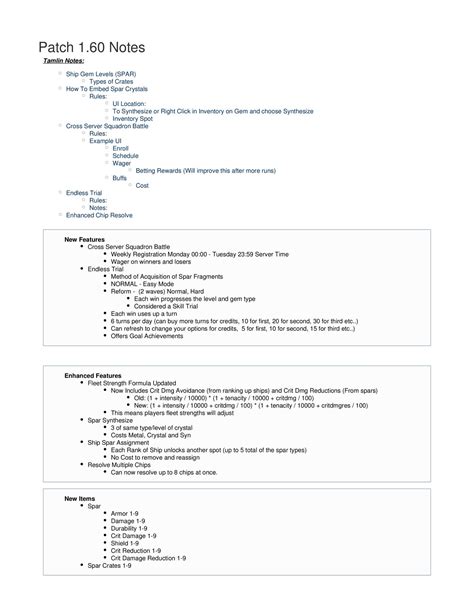
The moment a new patch drops, the first response from top players and their teams is often a deep dive into the patch notes. This isn’t just a casual read; it’s an intense analytical session. Players dissect every number change, every new mechanic, and every balance adjustment. They don’t just note what changed, but predict the ripple effects across the entire game. Which heroes or champions are now stronger? Which items are now must-buys or completely obsolete? What new strategies or compositions become viable?
This phase is heavily driven by ‘theorycrafting’ – brainstorming hypothetical scenarios and strategies based on the new information. Players mentally (and sometimes physically) map out new builds, counter-picks, and overall game plans. They leverage their profound understanding of the game’s core mechanics to foresee meta shifts before they even occur.
The Grind Begins: Intensive Scrims and Solo Queue Exploration
Once the initial analysis is done, theories must be put to the test. This marks the beginning of an incredibly intensive period of practice. Professional players often log exorbitant hours in custom games, solo queue, and especially team scrims (practice matches against other professional teams).
Solo queue serves as a laboratory for individual experimentation. Players try out new builds, learn the nuances of buffed or nerfed characters, and develop new mechanical muscle memory. Scrims, however, are where the team’s new strategies are truly forged. Teams will try daring compositions, push the limits of new item builds, and develop cohesive game plans in a competitive environment. This period is characterized by rapid learning, frequent failures, and iterative refinement as they discover what works and what doesn’t.
Collaborative Evolution: Team Communication and Strategy Refinement
Adaptation is rarely a solo endeavor in team-based Esports. Effective communication and collaboration are paramount. Teams hold extensive debriefs after scrims, discussing what went right, what went wrong, and why. Coaches and analysts play a crucial role in synthesizing observations and guiding the team’s learning process. Players share their individual findings from solo queue, contributing to a collective understanding of the new meta.
This collaborative environment allows for a faster and more robust adaptation. One player’s insight into a specific champion’s new power spike might inform another player’s itemization choices, leading to a synergistic strategy that wouldn’t have been discovered individually. It’s a dynamic process of shared knowledge and mutual refinement.

The Mental Game: Flexibility and Resilience
Beyond the technical and strategic adjustments, adapting to major patches demands significant mental fortitude. Old habits are hard to break, and strategies that once guaranteed victory can now lead to crushing defeats. Top players must possess an immense degree of flexibility, being willing to discard deeply ingrained playstyles and embrace entirely new approaches.
Frustration is a common companion during this period. The constant losing in practice, the feeling of being unfamiliar with the game, and the pressure to perform can be immense. Professional players must maintain resilience, learn from their mistakes without being demotivated, and trust in their process of adaptation. An open mind and a growth mindset are critical for successfully navigating these periods of change.
Conclusion: A Culture of Continuous Learning
Ultimately, the ability of top players to adapt to major game patch changes stems from a culture of continuous learning and proactive engagement. They combine rigorous analytical skills with intense practical application, fueled by strong team communication and an unshakeable mental approach. It’s a testament to their dedication that even when the rules of the game are rewritten, they swiftly re-establish their dominance, proving that true mastery lies not just in skill, but in the capacity for relentless evolution.