How do top pros manage mental stack & prevent burnout in intense competitive play?

The Cognitive Battleground: Understanding Mental Stack in Esports
Competitive esports demands an exceptional blend of mechanical skill, strategic acumen, and an iron will. Beneath the flashy plays and high-octane action lies a relentless cognitive battle, where professional players constantly manage their “mental stack” – the cumulative mental load of processing information, making split-second decisions, and executing complex actions under immense pressure. This intense cognitive demand, if not properly managed, is a direct pathway to stress, performance degradation, and ultimately, burnout.
For elite players, understanding and actively managing this mental stack is as crucial as perfecting their aim or micro. It’s about optimizing brainpower, maintaining clarity, and ensuring sustainable performance over long seasons and countless hours of practice and competition.
In-Game Strategies for Cognitive Load Management
During a match, pros employ several techniques to keep their mental stack from overflowing:
- Prioritization and Filtering: Top players instinctively filter out irrelevant information, focusing only on the most critical data points. They anticipate threats, identify key opportunities, and ignore distractions, thereby reducing unnecessary cognitive processing.
- Pattern Recognition and Muscle Memory: Years of practice build an extensive library of patterns and responses. Many common scenarios become almost automatic, offloading brainpower from basic decision-making to higher-level strategic thinking. This “autopilot” frees up mental resources for novel situations.
- Effective Communication: In team-based games, clear, concise, and timely communication is vital. Pros learn to convey maximum information with minimal words, avoiding ambiguity and ensuring teammates are on the same page without excessive mental effort.
- Emotional Regulation and Tilt Management: The ability to quickly recover from mistakes, bad plays, or unexpected setbacks is paramount. “Tilting” – becoming frustrated or angry – significantly increases mental load, impairs decision-making, and often leads to more errors. Pros train to reset their mental state quickly, focusing on the next action rather than dwelling on the past.
Preventing Burnout: The Off-Stage Regimen
While in-game strategies keep players sharp during matches, long-term sustainability hinges on robust off-stage routines designed to recharge and rebuild mental resilience.
Structured Breaks and Downtime
It might seem counterintuitive, but taking deliberate breaks is a cornerstone of professional competitive longevity. This isn’t just stepping away from the screen; it’s actively disengaging from the competitive mindset. Pros schedule time for hobbies, social activities unrelated to gaming, or simply quiet relaxation. This mental “hard reset” allows the brain to process information, consolidate learning, and prevent cognitive fatigue.
Physical Health as a Foundation
A healthy mind resides in a healthy body. Esports organizations increasingly emphasize physical well-being:
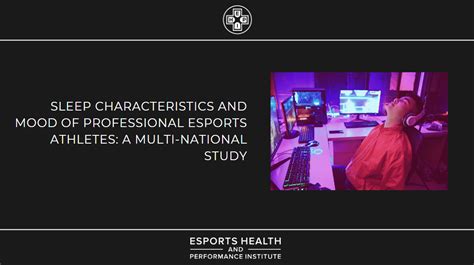
- Sleep: Consistent, high-quality sleep is non-negotiable for cognitive function, memory consolidation, and emotional regulation.
- Nutrition: A balanced diet fuels brain performance and energy levels, avoiding the crashes associated with poor eating habits.
- Exercise: Regular physical activity reduces stress, improves mood, enhances focus, and can even boost cognitive processing speed.
Mental Wellness Practices
Beyond physical health, many pros integrate specific mental wellness techniques:
- Mindfulness and Meditation: These practices train the brain to focus on the present moment, reducing anxiety about past mistakes or future outcomes. They improve attention span and emotional control.
- Professional Therapy and Coaching: Many top teams provide access to sports psychologists or mental performance coaches. These experts help players develop coping mechanisms, manage stress, improve communication, and process performance-related anxieties.

Strong Support Systems
Isolation can exacerbate mental stack issues and accelerate burnout. Pros rely on:
- Team Cohesion: A supportive team environment fosters trust and shared responsibility, reducing individual pressure.
- Family and Friends: Maintaining connections outside of the competitive bubble provides perspective and emotional support.
- Coaches and Staff: A good coaching staff acts as a buffer, helping manage schedules, expectations, and providing guidance beyond just in-game tactics.
Goal Setting and Perspective
Setting realistic, achievable goals and maintaining a long-term perspective helps pros navigate the inevitable ups and downs of competitive play. Understanding that slumps are temporary and focusing on continuous improvement rather than immediate perfection reduces pressure and fosters resilience against burnout.
The Professional Ecosystem’s Role
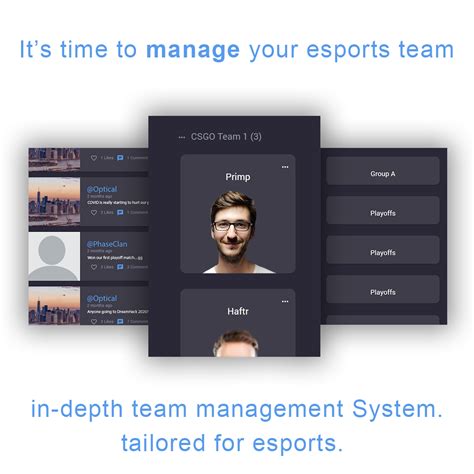
Esports organizations play a critical role by providing the infrastructure for these strategies. From dedicated performance coaches and nutritionists to structured training schedules that include mandatory breaks and team-building activities, the professional ecosystem is evolving to prioritize player well-being as a cornerstone of sustained success.
Conclusion: A Holistic Approach to High Performance
Managing mental stack and preventing burnout in intense competitive play isn’t a single trick; it’s a comprehensive, holistic approach. Top professionals treat their mental faculties with the same rigor and discipline they apply to their in-game mechanics. By combining astute in-game cognitive strategies with disciplined off-stage self-care, strong support systems, and a professional infrastructure, esports pros can not only survive but thrive in the demanding crucible of competitive gaming, ensuring long and successful careers at the pinnacle of their craft.