How do we keep game guides updated efficiently after patches without burnout?

Maintaining accurate and up-to-date game guides is a cornerstone of providing value to players. However, the constant flow of patches, hotfixes, and expansions in modern gaming can turn this vital task into a never-ending chore, leading to potential inaccuracies and, for guide creators, significant burnout. The challenge lies in developing a sustainable workflow that allows for efficient updates without sacrificing quality or the well-being of the writers.
Proactive Preparation: The Foundation of Efficiency
The most effective way to tackle post-patch updates is to be prepared before the patch even drops. This involves a mix of strategic planning and architectural foresight in your guide’s design. Begin by keeping a close eye on developer announcements, public test realms (PTRs), or beta phases. Understanding the likely scope and nature of upcoming changes allows you to anticipate where your guides will need adjustments.
Furthermore, designing your guides with modularity in mind is crucial. Instead of monolithic blocks of text, break down information into easily identifiable and editable sections. This might mean separating class builds from general gameplay mechanics, or item stats from quest walkthroughs. When a patch hits, you only need to update specific modules rather than rewriting entire sections, saving immense time and effort.
Streamlined Strategies for Post-Patch Updates
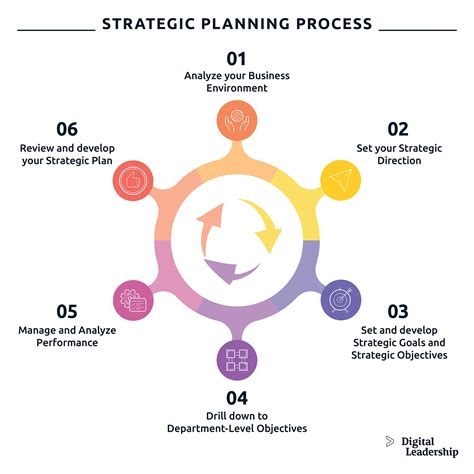
Once a patch is live, a systematic approach is essential. The first step is to prioritize: not all changes are equally important. Focus immediately on critical balance changes, major bug fixes affecting core mechanics, or significant content additions that dramatically alter gameplay. Minor numerical tweaks or cosmetic changes can often wait, or be batched together for less frequent updates.
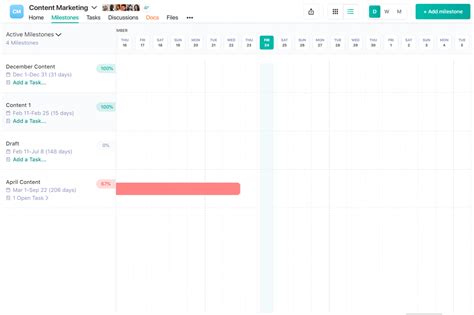
Implementing a version control system, even a simple spreadsheet or a dedicated content management system (CMS), can dramatically improve efficiency. Track what sections have been updated, by whom, and when. This prevents duplicate work and ensures accountability. Actively solicit and monitor community feedback immediately after a patch; players are often the first to discover the practical implications of changes and can highlight areas needing urgent attention in your guides.

Leverage in-game tools or third-party databases that dynamically pull data where possible. While not always feasible for every piece of information, using external, automatically updated data sources for things like item statistics or skill descriptions can significantly reduce manual update burden. For changes that are not data-driven, creating a “patch notes checklist” can help ensure all relevant areas are reviewed.
Combating Burnout in Content Creation
The continuous cycle of updates can quickly lead to burnout if not managed properly. One of the most powerful tools against burnout is collaboration. If you’re part of a team, delegate specific sections or responsibilities. Even solo creators can benefit from connecting with other guide writers to share insights and distribute the workload of testing and verifying changes.
Set realistic expectations for yourself and your audience. It’s impossible to have every single guide updated the moment a patch drops. Communicate your update schedule or priorities to your users. Take regular breaks and step away from the game and the guides. Remember that quality and sustainability are more important than instantaneous updates.

Furthermore, learn to differentiate between what needs to be updated and what is merely a minor refinement. Sometimes, a general disclaimer at the top of a guide about recent patch changes can suffice until a more comprehensive update can be made. Focus on critical, game-altering information first, and then move on to less impactful details. Automate repetitive tasks where possible, such as formatting or cross-linking, to free up mental energy for content-specific updates.
Sustainable Guide Maintenance for Long-Term Success
Keeping game guides updated efficiently after patches without succumbing to burnout is an ongoing challenge that requires a multi-faceted approach. By embracing proactive preparation through modular design, implementing streamlined update strategies like prioritization and version control, and actively combating burnout with collaboration and realistic expectations, guide creators can build a sustainable workflow. The goal is not just to keep guides accurate, but to ensure the longevity and well-being of those who create them, providing consistent value to the gaming community for years to come.