How do we keep gaming guides updated for patches and DLC without confusing users?

The Ever-Evolving Game Landscape and the Guide Challenge
In the dynamic world of modern gaming, titles are rarely static. Live service models, frequent balance patches, and expansive downloadable content (DLC) packs constantly reshape game mechanics, item statistics, and even entire storylines. While this keeps games fresh and engaging, it poses a significant challenge for guide creators: how do you keep your content accurate and relevant without overwhelming or confusing the very users you aim to help?
Outdated information can be more detrimental than no information at all, leading players down wrong paths, causing frustration, and eroding trust. The key lies in implementing robust strategies that prioritize clarity, accessibility, and proactive updates.
Strategic Approaches to Version Control
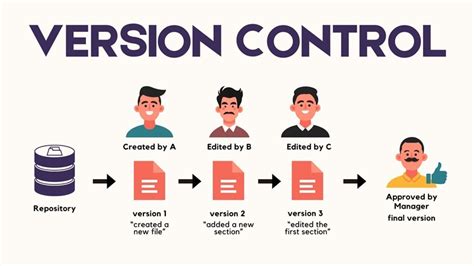
The foundation of any effective update strategy is clear version control. Users need to know exactly which game version a guide pertains to. This can be achieved through several methods:
-
Clear Labeling and Dating
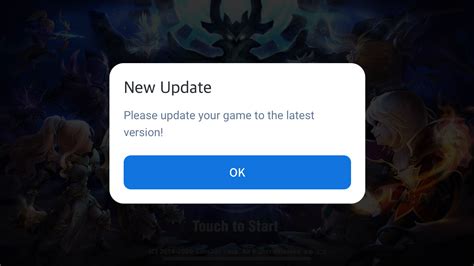
Every guide, or at least every major section, should prominently display the last updated date and the specific game patch or DLC it covers. For example: “Updated for Patch 3.2.0: The Sunken City” or “Last Revised: October 26, 2023 (Season 4).” This immediately sets user expectations.
-
Dedicated Update Sections or Changelogs
Instead of rewriting entire paragraphs every time a small stat changes, create a dedicated “Patch Notes” or “Recent Changes” section within the guide. This allows users to quickly scan for modifications relevant to their current game version without having to re-read the entire document. For larger updates, a concise summary of new features and major balance shifts can precede the main content.
-
Modular Guide Design
Structure guides in a way that separates stable, fundamental mechanics (e.g., core movement, basic quest flow) from volatile, patch-dependent information (e.g., specific build stats, optimal gear for current meta). This way, only the relevant modules need frequent revision.
-
Archiving Older Versions
For games with a long lifespan and significant changes, consider offering archived versions of guides for previous major patches or DLCs. This is particularly useful for players who might be playing an older version of the game or revisiting historical content, ensuring your resource remains valuable across its entire lifecycle.
Enhancing User Clarity and Navigation
Beyond simply updating the content, how that information is presented significantly impacts user experience.
-
Visual Cues and Indicators
Utilize visual elements to highlight changes. Call-out boxes, distinct text colors (e.g., green for buffs, red for nerfs), or small icons (e.g., a “NEW” tag, an “UPDATED” emblem) can draw attention to recently modified sections without requiring users to meticulously compare text.
-
Comparison Tables for Balance Changes
For items, abilities, or characters that frequently undergo balance changes, a simple “Before & After” comparison table is highly effective. This allows users to quickly grasp the impact of a patch on specific elements.
-
In-Text Annotations and Tooltips
Where appropriate, integrate small annotations directly within the text for minor adjustments. For example, “Skill X now deals
20% less damage (previously 15%).” If your platform supports it, interactive tooltips showing old values can also be beneficial.

Leveraging Community and Feedback
No single guide creator can catch every detail, especially in massive, complex games. Embracing community involvement can significantly aid in guide maintenance.
-
Wiki-Style Collaboration
For platforms that support it, a wiki-style approach allows trusted community members to contribute updates. While this requires robust moderation, it can lead to incredibly comprehensive and rapidly updated resources.
-
User Feedback Mechanisms
Implement a clear system for users to report outdated information. A simple “Report an Error” button or a dedicated comments section can be invaluable for identifying sections that need attention, allowing you to prioritize updates based on user reports.

Striking a Balance: Detail vs. Simplicity
While accuracy is paramount, it’s also crucial not to overcomplicate guides. Over-annotating every minute change can make a guide cluttered and hard to read. Focus on changes that meaningfully impact gameplay decisions, strategies, or player progression.
Ultimately, the goal is to provide a clean, user-friendly resource that evolves with the game it covers. By adopting these strategies, guide creators can ensure their work remains a trusted and valuable companion for gamers navigating the ever-changing digital landscapes.