How do we keep old game guides updated and relevant for long-term SEO?
In the fast-paced world of gaming, a guide published last year can quickly become outdated. Game patches, new expansions, meta shifts, and community discoveries all contribute to making previously accurate information obsolete. For content creators and gaming websites, this presents a unique challenge: how do you prevent your valuable archive of game guides from becoming digital dust, especially when long-term search engine optimization (SEO) is a priority?
Keeping old game guides updated and relevant isn’t just about providing accurate information; it’s a critical component of maintaining authority, driving organic traffic, and fostering a loyal audience. Neglecting older content can lead to declining search rankings, a poor user experience, and ultimately, a loss of competitive edge. This article will explore actionable strategies to breathe new life into your existing game guides, ensuring their longevity and sustained SEO performance.
The Challenge of Obsolescence in Gaming Content
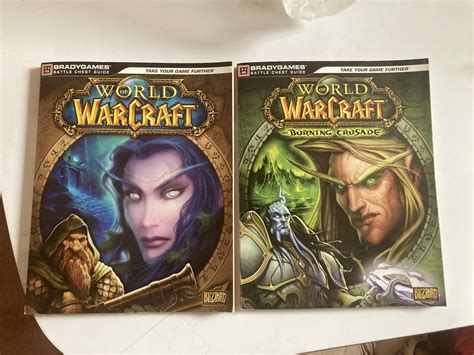
Unlike evergreen topics in other niches, game content has a built-in obsolescence factor. What was once the optimal build for a character might be nerfed in a patch, a boss strategy might be invalidated by a mechanic change, or a new piece of equipment might completely shift the meta. Users searching for current information will quickly bounce from a guide that presents outdated advice, signaling to search engines that your content isn’t authoritative or useful.
Furthermore, search engines prioritize fresh, relevant content. Stale guides that haven’t been touched in years will gradually lose their ranking power, ceding ground to newer, actively maintained competitors. The key is to transform your game guides from static archives into dynamic, living resources.
Core Strategies for Evergreen Game Guides
Regular Content Audits
The first step is to know what you have. Implement a systematic content audit process to identify guides that are underperforming, contain outdated information, or are still highly popular but vulnerable to becoming irrelevant. Use analytics tools to find guides with declining traffic, high bounce rates, or those that receive frequent comments about outdated information. Prioritize updates based on traffic, potential for improvement, and the impact of the game’s recent changes.
Implement a Content Calendar for Updates
Just as you schedule new content creation, schedule content updates. This could be a quarterly review for all guides related to a specific game, or an immediate update trigger whenever a major game patch or expansion drops. A proactive approach ensures that your guides are refreshed promptly, often before competitors can capitalize on the new information.
Update Information Accurately and Thoroughly
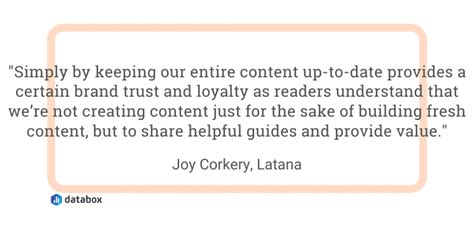
This is the most critical step. Go through the guide section by section. Update character builds, quest steps, item stats, boss mechanics, and strategy recommendations. Add new sections for recently introduced content like DLC, seasonal events, or major reworks. Use official patch notes, developer diaries, and trusted community resources to ensure accuracy. Consider adding an ‘Updated On’ date to your guides, building trust with both users and search engines.
Optimize for Evolving Keywords and Search Intent
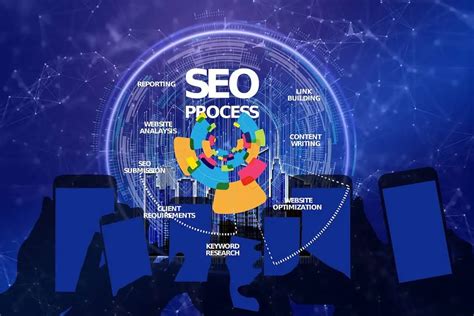
The way players search for information changes as games evolve. New challenges, items, or strategies emerge, leading to new search queries. Re-evaluate the keywords your guides target. Are players still searching for ‘vanilla game quests’ or are they now looking for ‘DLC raid guide’ or ‘season 5 meta builds’? Update your guide’s title tag, meta description, headers, and body content to reflect current search trends and intent. This ensures your guide appears for the most relevant and high-volume queries.

Enhance User Experience (UX)
An updated guide isn’t just about fresh facts; it’s also about usability. Improve formatting with clear headings, subheadings, bullet points, and tables. Implement jump links for long guides to help users navigate quickly. Ensure your guides are mobile-responsive and load quickly. Consider adding new screenshots or embedded videos (conceptually) if the old ones are no longer relevant or of poor quality. A positive UX encourages longer dwell times, which positively impacts SEO.
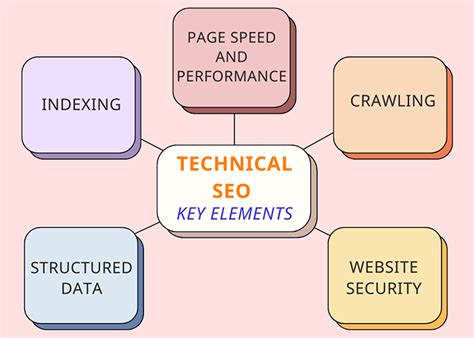
Technical SEO Considerations for Guide Longevity
Maintain Clean URLs
Whenever possible, avoid changing the URL of an existing guide. URLs accumulate SEO authority over time. If a URL must change (e.g., due to a major rebrand or restructuring), implement a 301 redirect to pass on as much link equity as possible.
Update Metadata
Beyond keywords, ensure your title tags and meta descriptions are current and compelling. These are often the first impression searchers have of your content. Make them accurate, keyword-rich, and enticing.
Schema Markup
Implement schema markup (e.g., HowTo, FAQPage) where appropriate to help search engines understand the content and potentially display rich snippets in search results. This can significantly boost click-through rates.
Internal Linking Strategy
Update internal links within your old guides to point to newer, relevant content, and vice-versa. This strengthens your site’s overall structure, distributes link equity, and helps users discover more of your content. Remove any broken internal links.
Leveraging Community and Feedback
Your community is an invaluable resource. Encourage comments and feedback on guides, asking users to point out inaccuracies or suggest improvements. Monitor gaming forums, Reddit, and social media for discussions around your guides or the games they cover. Often, players will be the first to discover new strategies or expose outdated information. Engaging with your community not only helps keep your content fresh but also builds loyalty and fosters a sense of shared ownership.
Conclusion
Keeping old game guides updated and relevant for long-term SEO is an ongoing commitment, not a one-time task. By implementing regular content audits, proactively updating information, optimizing for evolving search trends, enhancing user experience, and leveraging technical SEO best practices, you can transform your archived guides into powerful, evergreen assets. This sustained effort will not only keep your content authoritative and visible but also ensure your gaming community always has access to the most accurate and helpful information, solidifying your position as a trusted resource in the gaming landscape.