





How do we keep our game reviews relevant for live-service titles with ongoing updates?
The Evolving Challenge of Live-Service Game Reviews
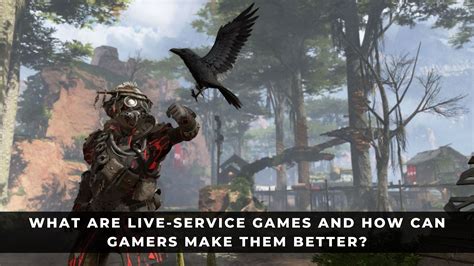
The landscape of video games has dramatically shifted with the rise of live-service titles. Unlike traditional, static releases, these games are designed to evolve over months, if not years, through constant updates, new content drops, balance changes, and even complete reworks of core mechanics. This perpetual state of flux presents a significant challenge for game reviewers: how do we publish an assessment that remains relevant when the game itself is a moving target?
Traditional review paradigms, which offer a snapshot of a game at launch, often fall short. A glowing review for a game that later suffers from a broken economy or neglected content can quickly lose credibility, just as a critical review might become obsolete if the developers diligently address its flaws and vastly improve the experience. The very nature of live-service demands a more adaptive approach to critical assessment.
Strategies for Maintaining Relevance
1. The Living Review Model
One increasingly popular approach is the ‘living review’ or ‘review-in-progress’. Instead of a single, definitive score or verdict, this model treats the review as an ongoing document. An initial review can be published, focusing on the core mechanics, launch content, and immediate impressions. This is then regularly updated as significant patches, expansions, or overhauls are released. Each update clearly timestamps the changes, notes new content, and adjusts the assessment or score accordingly.
This method keeps the content current and provides readers with a historical record of the game’s evolution. However, it is resource-intensive, requiring dedicated staff to revisit and re-evaluate titles consistently.
2. Focusing on Foundational Elements
Another strategy involves shifting the primary focus of the initial review to the game’s foundational elements. What are the core gameplay loops, artistic direction, technical stability, and underlying design philosophies that are less likely to change dramatically? While updates will introduce new content, the fundamental ‘feel’ and premise of a game often persist. Reviewers can critically evaluate these bedrock components, acknowledging that the superstructure built upon them will evolve.
Subsequent articles, opinion pieces, or follow-up reviews can then address how new content layers onto, or deviates from, these foundations.
3. Clear Disclosure and Version Tracking
Transparency is paramount. Every review of a live-service game should clearly state the date it was written and, ideally, the specific version or patch number reviewed. This manages reader expectations, informing them that the game they play at a later date might differ significantly. Some publications even provide a disclaimer encouraging readers to check the game’s current status before making a purchasing decision based solely on an older review.
4. Integrating Community Sentiment
While professional reviews offer expert opinions, the collective experience of millions of players also holds significant weight. Incorporating community sentiment – perhaps through aggregated player scores, forum discussions, or developer responses to feedback – can add another layer of relevance. This doesn’t mean abandoning critical judgment but rather acknowledging the broader discourse surrounding the game’s ongoing development.
The Future of Live-Service Game Critiques
Ultimately, keeping reviews relevant for live-service titles requires flexibility and a willingness to break from rigid traditions. It calls for a more dynamic form of criticism that acknowledges games as services rather than products. This shift impacts not only how reviews are written but also how they are consumed and valued by the gaming public.

As live-service models continue to dominate large segments of the industry, the methodologies for assessing them must also evolve, ensuring that critical commentary remains a valuable resource for both players navigating a constantly changing landscape and developers striving to refine their creations.



