How do we update gaming reviews for live-service games post-launch patches?
The Ever-Evolving Battlefield of Live-Service Games
In the rapidly changing landscape of video games, live-service titles like Destiny 2, Fortnite, or No Man’s Sky present a unique conundrum for traditional review methodologies. A review published at launch, reflecting the game’s initial state, often becomes irrelevant months or even weeks later as developers release significant patches, content expansions, and rebalances. This inherent fluidity challenges the very concept of a static review score or critique, raising the fundamental question: How do we accurately update gaming reviews for live-service games post-launch patches?
The Dilemma of the Outdated Snapshot
Traditional game reviews are snapshots in time. They capture the experience, performance, and value of a game at its release. For a single-player, narrative-driven title, this model works well. However, live-service games are designed to evolve. Bugs are squashed, new mechanics are introduced, economies are tweaked, and entire seasons of content can fundamentally alter the player experience. An initially maligned game might transform into a masterpiece, or a critically acclaimed launch could falter under a series of poor updates. The challenge is that readers often rely on that initial score, which might no longer accurately represent the current product.
Gaming publications have attempted various solutions, from appending editor’s notes to entirely re-reviewing a game. While these efforts acknowledge the problem, they often lack a standardized approach, leading to inconsistencies across the industry. Readers might find it difficult to track changes, and the impact of significant updates can be understated or buried within long-form text.
Toward Dynamic Review Models and Living Scores
One potential solution lies in developing more dynamic review models. Instead of a single, static review, a “living review” could exist, continually updated to reflect major changes. This might involve an initial launch review, followed by clearly demarcated “patch notes” or “seasonal updates” sections that detail new content, balance changes, and their impact on the overall experience. Some platforms could even implement a “living score” that visibly changes based on significant updates, accompanied by a clear changelog explaining the rationale.
This approach would require a commitment from reviewers to revisit games regularly, especially after major patches. It also demands transparency, clearly indicating when and why a review has been updated. This could involve tagging reviews with “Last Updated” dates or introducing a separate section for ongoing coverage of a live-service title rather than just a single, immutable review page.

Transparency, Communication, and Community Context
Effective communication is paramount. Reviewers need to be transparent about their methodology for updating reviews, explaining what constitutes a significant enough change to warrant an amendment. This could include a clear policy on how game-breaking bugs are addressed versus minor balance tweaks. Furthermore, integrating community sentiment, while not dictating a review, can offer valuable context. Understanding how the player base perceives current updates can enrich the critical perspective, highlighting widespread issues or successes that might not be immediately apparent.
The role of dedicated “long-term review” or “post-launch analysis” pieces could also expand. These articles wouldn’t just update a score but delve deeper into the game’s evolution, its relationship with its community, and its long-term viability. This provides a more nuanced understanding than simply adjusting a numerical score.

The Path Forward: A Call for Industry Standards
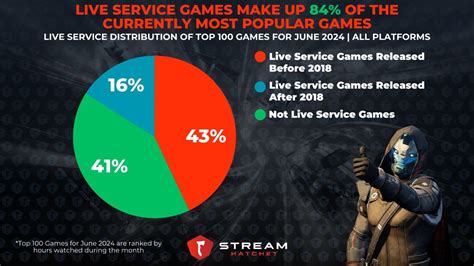
Ultimately, addressing the challenge of reviewing live-service games post-launch patches requires a collaborative effort to establish industry-wide best practices. Whether it’s through dynamic living reviews, clear addendums, or entirely separate ongoing coverage series, the goal remains the same: to provide readers with the most accurate, up-to-date, and valuable insights into games that are designed to perpetually change. As the live-service model continues to dominate a significant portion of the gaming market, evolving our review methodologies isn’t just an option—it’s a necessity to maintain journalistic integrity and relevance.