





How do we update our gaming reviews effectively for live-service game changes?

The landscape of video game reviews has been dramatically reshaped by the rise of live-service titles. Unlike traditional, static releases, games like Destiny 2, Fortnite, Genshin Impact, or Sea of Thieves are ever-evolving entities, frequently introducing new content, balance changes, and even fundamental system overhauls. This constant flux presents a unique challenge for reviewers: how do you deliver a definitive assessment of a game that is, by its very nature, never truly “finished”? The traditional review model, which offers a snapshot at launch, often feels inadequate, leaving readers with potentially outdated information within weeks or months.
The Evolving Nature of Live-Service Gaming
Live-service games defy the conventional review cycle. An initial review captures a specific moment in time, reflecting the game’s state at launch. However, a significant content patch could introduce a game-changing mechanic, fix critical bugs, or even fundamentally alter the player experience. A game that launched with a mediocre rating due to sparse content might transform into a masterpiece a year later, yet the original review often remains as the primary public perception. This disconnect necessitates a more agile and responsible approach to game journalism.

Strategies for Initial Reviews and Ongoing Coverage
The first step in effectively reviewing a live-service game is acknowledging its dynamic nature from the outset. Initial reviews should clearly state that the assessment is based on the launch version and that the game is expected to evolve. Reviewers can focus on foundational elements: core gameplay mechanics, artistic direction, technical stability, and the strength of the game’s initial offering and future potential. It’s crucial to set reader expectations regarding the game’s update philosophy and the developer’s track record.
Beyond the initial review, a comprehensive strategy for ongoing coverage is essential. This might involve dedicated “re-review” segments, regular update articles, or detailed patch analysis. The goal is to provide a continuous narrative of the game’s development, keeping readers informed about significant changes and how they impact the overall experience.

Developing a Robust Update Methodology
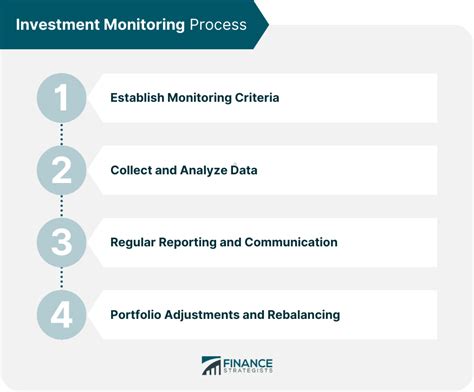
For a review to remain relevant, a clear methodology for updates is paramount. This involves several key steps:
- Monitoring Patch Notes: Staying abreast of all official developer communications, including patch notes, developer diaries, and community updates, is fundamental.
- Re-engaging with the Game: Significant updates warrant a return to the game to experience changes firsthand. This isn’t just about reading; it’s about playing.
- Identifying Impactful Changes: Not every minor tweak requires a review update. Focus on changes that significantly alter gameplay, progression, monetization, player experience, or address major criticisms from the initial review.
- Structured Re-evaluation: Establish criteria for what constitutes a “review-worthy” change. Does it fundamentally alter the core loop? Does it address a previous score detractor?
Formats for Review Updates and Transparency
There are several ways to update a review, each with its own advantages:
- Appendices/Update Sections: Adding dated sections to the original review, detailing significant changes and their impact, is a common approach. This keeps all information in one place.
- Dedicated “Re-reviews” or “Retrospectives”: For games that undergo massive overhauls, a completely new review published alongside the original can be effective, offering a fresh perspective while linking back to the initial assessment.
- Scoring Adjustments: If a numeric score is used, adjusting it with a clear explanation of why and when the change occurred is vital. Transparency is key here to maintain reader trust.
- Ongoing Series/Columns: Some publications opt for continuous content, such as a “State of the Game” series, providing regular checkpoints on a title’s evolution without altering the original review directly.
Regardless of the chosen format, transparency is non-negotiable. Clearly label when an update was made, what changes were implemented, and how they influenced the reviewer’s opinion. This builds trust with the audience and ensures they understand the context of the information.

Maintaining Credibility and Reader Trust
The ultimate goal of an effective update strategy is to maintain credibility and reader trust. Audiences rely on reviews for accurate, up-to-date information. Failing to address significant game changes can lead to a perception of negligence or irrelevance. By actively engaging with a game’s ongoing development, reviewers demonstrate a commitment to providing the most current and fair assessment possible. This proactive approach fosters a stronger relationship with the gaming community and reinforces the value of professional game criticism in a dynamic industry.

In conclusion, the era of live-service games demands a paradigm shift in how we approach game reviews. It’s no longer enough to offer a static critique; instead, reviewers must embrace the role of ongoing evaluators, charting a game’s journey from launch to its many evolutions. By adopting clear update methodologies, transparent communication, and a commitment to re-evaluation, we can ensure that our gaming reviews remain effective, relevant, and trustworthy guides for players navigating the ever-changing digital worlds.



