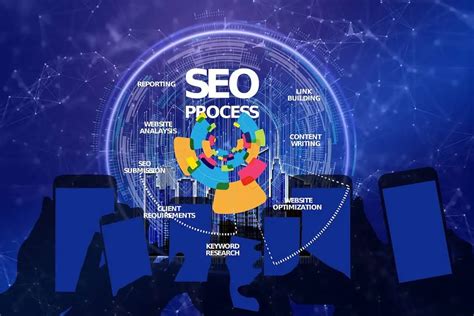
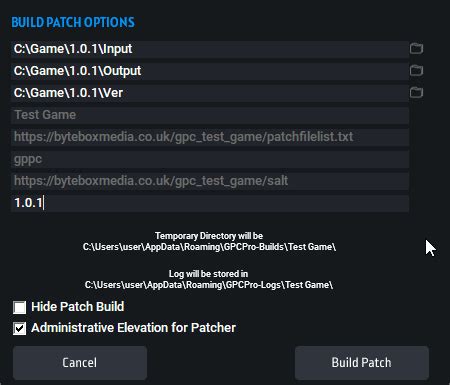
How do you efficiently update game guides post-patch while maintaining strong SEO?

The Challenge of Post-Patch Guide Updates
The dynamic world of video games means constant evolution. Patches, hotfixes, and expansions frequently alter game mechanics, item statistics, and questlines, rendering once-accurate game guides obsolete. For content creators and guide writers, the challenge isn’t just updating information quickly, but doing so while ensuring these vital resources remain discoverable and rank highly on search engines.
Why Timely Updates and SEO Matter
Players rely on accurate, up-to-date information to enhance their gaming experience. Outdated guides lead to frustration, distrust, and a decline in user engagement. From an SEO perspective, search engines prioritize fresh, relevant content. A guide that hasn’t been updated will quickly lose its ranking to competitors who are more diligent, leading to a significant loss in organic traffic and authority.
Pre-Patch Preparation: Laying the Groundwork
Monitor Official Channels
Stay ahead by closely monitoring official game developer forums, social media, patch notes, and public test realms (PTRs). Anticipating changes allows you to plan your update strategy rather than reacting in a panic. Create a system for tracking upcoming changes that might impact your guides.
Plan for Modular Content
Design your guides with modularity in mind. Separate core mechanics from changeable numerical values, item descriptions, or specific quest steps. This structure allows you to update smaller, isolated sections without overhauling an entire guide, significantly boosting efficiency.
Efficient Update Strategies
Prioritize Critical Changes
Not all changes are equal. Prioritize updates that have the biggest impact on gameplay or player success. Focus first on guides covering core mechanics, popular builds, or high-traffic content. Less critical, cosmetic, or minor balance changes can be addressed in a second pass.
Leverage Version Control
If you’re managing a large volume of guides, consider using a version control system (like Git for code, or specific CMS features) to track changes. This allows for easy rollbacks and a clear history of updates, especially useful for collaborative teams.
Use Templated Sections
For recurring sections or similar items across multiple guides, use templates. When a core element changes, updating the template can propagate those changes across numerous relevant guides with minimal manual effort.

Maintaining Strong SEO During Updates
Refresh Keywords and SERP Snippets
Patches can introduce new jargon, items, or strategies that become popular search terms. Conduct quick keyword research to identify these and integrate them into your updated content, titles, and meta descriptions. Ensure your title tags and meta descriptions accurately reflect the updated content to maintain high click-through rates (CTR) in search results.
Utilize Structured Data (Schema Markup)
Implement or update schema markup (e.g., HowTo, Q&A, or Product if applicable) to help search engines understand the content and context of your guides. This can lead to rich snippets in search results, increasing visibility and CTR.
Handle Redirects and Broken Links
If a patch necessitates deleting or consolidating old content, always implement 301 redirects from the old URLs to the most relevant new ones. Regularly check for broken internal and external links, as these can negatively impact user experience and SEO.
Update Internal Linking
As you update guides, review and refresh internal links to point to the most current and relevant related content. This strengthens your site’s overall link architecture and helps distribute ‘link juice’ effectively across your updated resources.

Tools and Workflow Enhancements
Content Management Systems (CMS)
A robust CMS (like WordPress, Drupal, or a custom solution) with good editing features, version history, and SEO plugins is crucial. Features that allow for collaborative editing, content staging, and quick publishing are invaluable.
Collaboration Tools
For teams, communication and collaboration tools (e.g., Slack, Trello, Google Docs) help coordinate who is updating what, preventing duplicated effort and ensuring all necessary changes are covered.

Post-Update Monitoring and Refinement
After an update, don’t just set it and forget it. Monitor your guides’ performance using analytics tools. Track page views, bounce rates, time on page, and search rankings. Pay attention to user comments and feedback – they often highlight areas that still need clarification or further updates. Regularly check your Google Search Console for any indexing issues or crawl errors related to the updated pages.

The Ongoing Cycle of Excellence
Efficiently updating game guides post-patch is an ongoing commitment. It requires a blend of meticulous planning, strategic execution, and continuous monitoring. By integrating these practices into your workflow, you can ensure your game guides remain accurate, relevant, and highly visible, solidifying your position as a trusted resource in the ever-evolving gaming landscape.