How do you keep complex game guides updated through frequent patches efficiently?
The Ever-Evolving Game Landscape: A Guide Writer’s Challenge
In the fast-paced world of video games, developers constantly release patches, hotfixes, and major content updates. While these bring fresh experiences for players, they pose a significant challenge for those dedicated to creating and maintaining comprehensive game guides. A meticulously crafted guide can become outdated overnight, leading to player frustration and a loss of trust. The key is not just to update, but to do so efficiently, ensuring accuracy without burnout.
Complex games, especially MMORPGs, MOBAs, and open-world titles, involve intricate mechanics, ever-changing balance values, new items, altered quest lines, and evolving strategies. Keeping up demands more than just quick edits; it requires a structured approach to content management.

Strategic Pillars for Efficient Guide Maintenance
To tackle the relentless tide of game updates, guide creators must adopt proactive strategies that streamline the revision process.
1. Modular Guide Design
Break down your guides into smaller, self-contained modules or sections. Instead of one monolithic document, consider separate pages or collapsible sections for ‘Character Builds,’ ‘Item Statistics,’ ‘Quest Walkthroughs,’ and ‘Mechanics Explained.’ This allows you to update a specific module without needing to re-evaluate the entire guide, making changes surgical and less time-consuming.
2. Proactive Patch Note Monitoring
The developer’s patch notes are your bible. Develop a habit of thoroughly reviewing them immediately upon release. Identify key changes that directly impact sections of your guide. Tools like RSS feeds, dedicated community channels (Discord, forums), or developer portals can help you get this information as quickly as possible. Prioritize changes that affect core gameplay, critical paths, or frequently referenced data.

3. Implementing a Version Control System
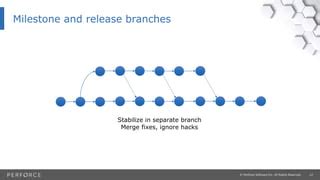
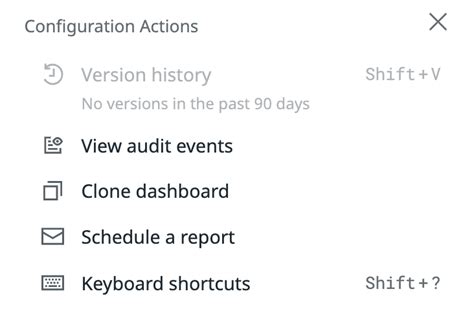
While often associated with software development, version control is invaluable for guide writing. Platforms like Git (with tools like GitHub or GitLab) or even advanced CMS features that track revision history can show you exactly what changed between guide versions. This makes it easier to roll back accidental edits, compare current information with previous data, and see a clear audit trail of updates.
Leveraging Technology and Teamwork
Beyond structural changes, technology and collaboration can significantly enhance your updating workflow.
1. Automated Change Detection & Alerting
For some types of data (e.g., item stats on a public API), it might be possible to set up automated scripts that scrape data and alert you to discrepancies. While this requires technical know-how, it can be a massive time-saver for data-heavy guides. Even simpler, set up Google Alerts for specific game keywords combined with ‘patch notes’ or ‘update.’
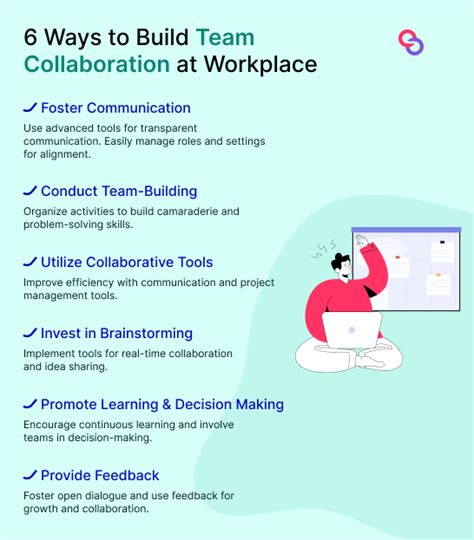
2. Community Collaboration and Feedback
Engage with your readers. Create a feedback mechanism (comments section, forum thread, Discord channel) where players can report outdated information. Often, the collective eyes of the community can spot errors faster than a single editor. Just be sure to verify all community-submitted information before integrating it.
3. Dedicated Update Workflow & Prioritization
Establish a clear workflow for updates: identify change, assess impact, assign responsibility (if a team), implement edit, review, and publish. Not all changes are equally urgent. Prioritize critical bugs, balance changes that drastically alter gameplay, and exploits over minor cosmetic updates. A ‘last updated’ timestamp prominently displayed on your guides is also crucial for user trust.
Best Practices for Sustained Accuracy
- Regular Review Cycles: Even without patches, schedule periodic reviews of older guide sections to catch any subtly outdated information or improve clarity.
- Clear Labeling: Always include a ‘Last Updated’ date at the top of your guide. Consider adding a ‘Patch Version’ indicator if applicable to the game.
- Archiving Old Versions: Don’t delete outdated information. Instead, archive it. Some players might still be playing older versions of a game, or historical context might be useful.
- Quality Assurance: Before publishing updates, always perform a quick check or, if possible, test in-game to confirm the accuracy of the changes.
Conclusion: Staying Ahead in the Game
Keeping complex game guides updated through frequent patches is an ongoing commitment, but it doesn’t have to be an overwhelming one. By adopting a modular approach, diligently monitoring patch notes, leveraging technology for version control and automation, and engaging with your community, you can create a resilient system. This allows you to provide timely, accurate, and valuable resources for players, ensuring your guides remain relevant and trusted in an ever-changing gaming landscape.