How do you keep game walkthroughs accurate and relevant after major patches?

The Ever-Evolving Game World
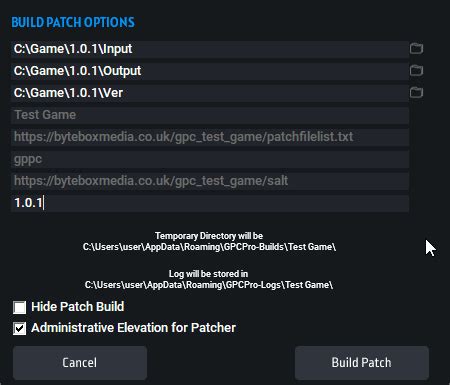
In the dynamic landscape of modern gaming, a game’s launch is often just the beginning. Developers continuously refine, expand, and sometimes overhaul their creations through major patches and updates. While these changes breathe new life into games, they present a unique challenge for creators of game walkthroughs and guides: how to keep them accurate and relevant. A guide that was once a player’s bible can quickly become a source of frustration if its information is outdated, leading to wasted time and missed objectives.
Understanding the continuous evolution of games is key. What might be a minor tweak to a combat stat in one patch could be a complete rework of an entire questline or a significant alteration to an item’s location in another. For players relying on these guides, accuracy isn’t just a preference; it’s a necessity for an enjoyable experience.
Why Patches Pose a Unique Challenge
Major patches aren’t just cosmetic; they often dive deep into the game’s core mechanics. This could mean changes to enemy behaviors, skill trees, class balances, or even the fundamental progression path. An entire zone might be redesigned, new NPCs introduced, or existing ones moved. Furthermore, item spawns, quest objectives, and puzzle solutions can be completely altered. These shifts can render entire sections of a walkthrough obsolete overnight, forcing players to guess or abandon the guide altogether.
The community’s expectation also plays a role. Players expect guides to be up-to-date, especially for popular, long-running games. Failing to adapt can diminish a guide’s credibility and readership.
Proactive Monitoring and Research
The first step in maintaining accuracy is vigilance. Guide creators must actively monitor official game channels: developer blogs, patch notes, official forums, and social media. Subscribing to news feeds and being part of dedicated community discords can provide early warnings about impending changes. Understanding the scope of an upcoming patch allows for preparation, rather than reactive scrambling.
Prioritizing Updates
Not all changes are created equal. When a massive patch drops, it’s crucial to prioritize what needs updating first. Focus on critical path elements: main quests, essential progression steps, major boss strategies, and game-breaking bugs that affect core gameplay. Side quests, collectible locations, and minor optimizations can often be addressed in subsequent updates to the guide. This approach ensures that the most impactful information is rectified swiftly.
Modular Design and Version Control
A well-structured guide is easier to update. By designing walkthroughs in a modular fashion—with distinct sections for quests, items, areas, and mechanics—updates can be isolated to specific parts without overhauling the entire document. Implementing a clear version control system within the guide itself, noting the game version it applies to or the date it was last updated, is also vital. This transparency helps users understand the guide’s current relevance.
Leveraging Community Input and Crowdsourcing
The collective knowledge of a game’s player base is an invaluable resource. Encouraging readers to report outdated information or contribute new findings can significantly speed up the update process. Establishing clear channels for feedback, such as comment sections or dedicated forums, allows for a crowdsourced approach to identifying changes. However, all community submissions must be verified by the guide creator to maintain accuracy and quality.

Testing, Verification, and Archiving
There’s no substitute for hands-on verification. After a patch, critical sections of the game often need to be replayed or revisited to confirm changes firsthand. Screenshots and video footage should also be updated to reflect current in-game visuals. For historical context, consider archiving previous versions of the guide or clearly marking sections as applicable to specific older game versions. This can be particularly useful for games with legacy servers or those where players might intentionally roll back to older patches.

Conclusion: An Ongoing Commitment
Keeping game walkthroughs accurate and relevant in a world of continuous patches is not a one-time task; it’s an ongoing commitment. It requires dedication, proactive research, a smart approach to prioritization, and often, collaboration with the community. By adopting these strategies, guide creators can ensure their valuable resources remain reliable tools for gamers, enhancing the play experience long after a game’s initial release.