


How do you structure game guides for quick navigation and minimal spoilers?

Crafting an effective game guide is an art that balances utility with the player’s desire for discovery. The goal is to provide timely assistance without robbing them of the joy of experiencing the narrative or challenges firsthand. This requires a meticulous approach to structure, content organization, and the strategic deployment of spoiler warnings.
The Foundation: Modular Design and Clear Headings
The cornerstone of a highly navigable guide is a modular structure. Break the game down into logical, bite-sized sections. Instead of a monolithic block of text, think in terms of chapters, quests, areas, or specific mechanics. Use clear and descriptive headings (<h2> for major sections, <h3> for subsections, <h4> for specific steps) that allow a player to quickly scan and identify the information they need.

Implementing a Dynamic Table of Contents (TOC)
A comprehensive and interactive Table of Contents is non-negotiable for quick navigation. Place it prominently at the beginning of the guide, linking directly to each major section. For longer guides, consider a “sticky” or floating TOC that remains accessible as the user scrolls. This empowers players to jump immediately to the relevant part, whether they’re looking for a specific boss strategy, a puzzle solution, or the location of a collectible.
Strategic Spoiler Management and Warnings
Minimizing spoilers is paramount to preserving the player’s experience. Adopt a “need-to-know” approach. General mechanics, basic controls, and common enemy types can be discussed freely. However, plot points, major character revelations, significant twists, and critical boss weaknesses that spoil the challenge should be handled with extreme care.
Clear Spoiler Labeling
Implement distinct spoiler warnings. This could involve prefacing a section with “[SPOILER AHEAD]” or using an explicit “SPOILER WARNING: Read only if you wish to reveal X.” For very sensitive information, you might even suggest that players complete a certain game segment before reading further.

Spoiler-Free Paths First
Whenever possible, present information in a way that allows players to attempt challenges spoiler-free first. For instance, describe a puzzle’s mechanics and offer hints before revealing the full solution. For boss fights, suggest general strategies (dodge, exploit elemental weaknesses) before detailing specific attack patterns and critical openings.
Organizing Content by Progression and Topic
Structure your guide to mirror the game’s natural progression. This means organizing by story chapters, main quests, side quests, or distinct geographical areas. Within each major section, group related information:
- Main Story Walkthrough: Step-by-step instructions for advancing the primary narrative.
- Side Quests/Optional Content: A dedicated section or appendices, clearly separated from the main path.
- Collectibles: List them by area or type, providing precise locations. Consider a separate appendix for all collectibles.
- Boss Strategies: Placed within the relevant story section, but with clear spoiler warnings if necessary.
- Character Builds/Gear: Often best placed in a separate “Advanced Tips” or “Character Development” section, as these can be spoiler-heavy regarding abilities or late-game items.
Leveraging Visual Cues and Searchability
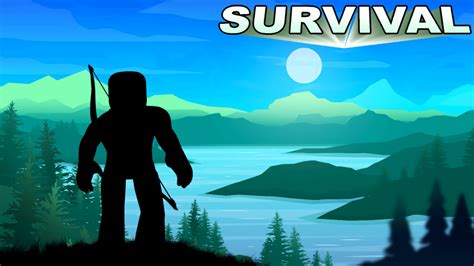
While this article focuses on text structure, remember that good guides often incorporate visual aids. Mentioning these in the guide text can implicitly suggest their importance. Additionally, ensure your text uses common game terminology and keywords. This not only aids in internal navigation but also makes the guide more discoverable via external search engines.

Refining for User Experience
Finally, always prioritize the user experience. This means using clear, concise language, avoiding jargon where possible, and proofreading meticulously. A well-structured guide anticipates player needs, offering help precisely when and how it’s required, without diminishing the thrill of discovery. By adhering to modular design, robust navigation, and strict spoiler protocols, a guide transforms from a mere compilation of facts into an invaluable companion for any player.