How do you write a balanced game review, avoiding bias while providing a clear recommendation?
The Quest for Impartiality: Why Balanced Game Reviews Matter
In the vast and passionate world of video games, reviews serve as crucial guides for potential players. Yet, writing a review that is both engaging and genuinely helpful is an art form, demanding a delicate balance between personal experience and objective analysis. The goal is to avoid personal bias, provide a comprehensive look at the game, and ultimately deliver a clear, justifiable recommendation. This guide will walk you through the essential steps to achieve just that.

Establishing a Foundation of Objectivity
Before you even begin to type, the groundwork for an unbiased review is laid during play. It’s not enough to simply play the game; you must approach it with a critical, analytical mindset.
Comprehensive Playtesting
To provide a fair assessment, you need to experience the game thoroughly. This means playing enough to understand its core mechanics, narrative arc (if any), progression systems, and late-game content. Don’t rush through; take notes on your initial impressions, challenges encountered, moments of joy, and frustrations. Play across different difficulty settings or character builds if applicable to gauge its versatility and replayability.
Structured Evaluation Criteria
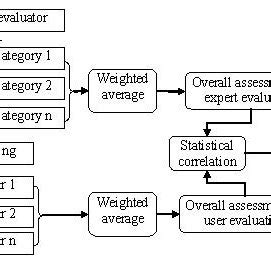
A balanced review dissects a game into its core components. Develop a consistent set of criteria to evaluate every game, such as:
- Gameplay Mechanics: How responsive, intuitive, and fun are the controls? Are the core loops engaging?
- Graphics and Art Style: Beyond raw fidelity, how effective is the visual design in conveying atmosphere and narrative?
- Sound Design and Music: Do audio cues enhance gameplay? Is the soundtrack memorable and appropriate?
- Story and World-building: If present, how compelling is the narrative? Is the lore rich and consistent?
- Performance and Technical Aspects: Are there bugs, glitches, or frame rate issues? How is optimization across platforms?
- Innovation and Value: Does the game bring new ideas to the table? Is the content substantial for its price point?
Separating Fact from Feeling
While your personal enjoyment is valid, it’s crucial to distinguish between a subjective preference and an objective flaw or strength. For example, stating “I didn’t like the art style” is subjective. Stating “The low-resolution textures in some areas detract from the overall visual presentation” is an objective observation that can be supported. Always ask yourself: Is this a feature that genuinely impacts the game’s quality, or simply something I personally don’t prefer?
Crafting the Review Narrative
With your objective observations in hand, it’s time to weave them into a coherent and persuasive narrative.
Highlighting Strengths and Weaknesses Equitably
A balanced review isn’t just a list of pros and cons; it contextualizes them. Discuss the game’s greatest successes and its most significant shortcomings with equal weight and detail. Explain why a particular element works well or falls short, using specific examples from your play experience.
Providing Context and Comparison
No game exists in a vacuum. Briefly compare the game to others in its genre to help readers understand its unique place and how it innovates or iterates on established formulas. However, avoid letting comparisons overshadow the game itself; the focus should always remain on the title you are reviewing.
Avoiding Loaded Language and Hyperbole
Maintain a neutral, professional tone. Phrases like “this game is an absolute masterpiece” or “this is a pathetic excuse for a game” introduce unnecessary bias. Instead, use precise language that reflects your observations. For instance, “The intricate level design encourages multiple playstyles” is more informative than “The levels are amazing.”
Delivering a Clear and Nuanced Recommendation
The recommendation is the culmination of your analysis, but it shouldn’t be a simple binary ‘buy’ or ‘don’t buy’.
Understanding Your Audience: Who is This Game For?
A truly helpful recommendation considers different player types. Is this game best suited for hardcore fans of the genre, casual players, or those looking for a specific experience (e.g., a deep story, competitive multiplayer)? Explicitly state which audience segments would most appreciate or be disappointed by the game. This adds crucial nuance, acknowledging that a game might be excellent for one group but not for another.

The Verdict and Its Nuances
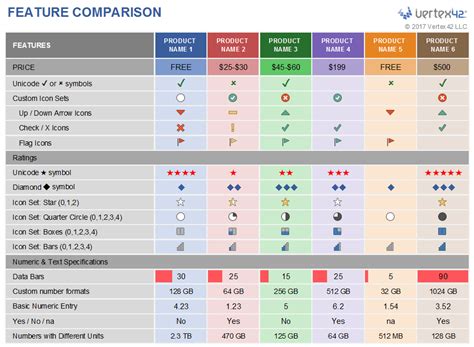
Conclude with a clear verdict, but back it up with a concise summary of your key findings. If you assign a numerical score or rating, ensure it aligns directly with the points made in your review. Explain the score. For example, a 7/10 isn’t just ‘good’; it might mean ‘a strong game with some notable flaws that prevent it from being excellent, but still recommended for fans of the genre.’ This transparency builds trust with your readers.
The Art of Fair Judgment
Writing a balanced game review is a skill honed over time, requiring both critical thinking and effective communication. By committing to comprehensive playtesting, structured evaluation, objective language, and a nuanced recommendation, you can produce reviews that not only inform but also genuinely help your audience make informed decisions in the ever-evolving world of gaming.