




How do you write spoiler-free boss guides yet still be super helpful?

The Delicate Balance: Guiding Without Giving Away the Game
Writing a comprehensive boss guide is a noble endeavor, but doing so without spoiling the rich narrative or surprising reveals of a game presents a unique challenge. Players often seek assistance because they’re stuck on a particular encounter, not because they want the entire plot laid bare. The key lies in shifting focus from narrative context to pure, unadulterated mechanics and strategy. This approach not only keeps the experience fresh for the player but also hones your ability to extract the essence of a challenge.

Master the Art of Mechanical Description
Forget the boss’s tragic backstory or its pivotal role in the prophecy. Instead, zoom in on its attack patterns, tells, weaknesses, and environmental interactions. Detail specific move names (if they have them, or give them descriptive labels like “three-hit combo” or “flaming breath attack”), how to dodge them, which attacks open up vulnerability windows, and any specific status effects they inflict. Break the fight down phase by phase, explaining how new mechanics are introduced and how to adapt.
Key elements to cover:
- Attack Repertoire: List every attack, its range, damage type, and indicators.
- Vulnerability Windows: When and how the boss can be damaged effectively.
- Phase Transitions: What triggers a new phase and what changes.
- Environmental Hazards/Boons: How the arena itself impacts the fight.
Embrace Generic Terminology
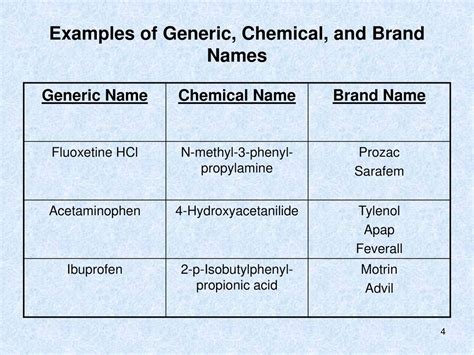
This is perhaps the most crucial rule for spoiler-free guides. Avoid using specific character names, location names (beyond very broad, non-narrative descriptions like “The Volcanic Peak” if it’s a zone name, but not “The Chamber of the Fallen King”), or plot-specific lore. Refer to the boss as “The First Guardian,” “The Desert Serpent,” or simply “the boss.” When discussing necessary items or abilities, use generic descriptors like “a healing potion,” “a strong fire weapon,” or “a movement ability that allows you to cross gaps.” If a specific item *is* absolutely essential and cannot be generically described, consider a brief, spoiler-neutral mention or a warning.
Emphasize Preparation and Strategy
Before even tackling the fight itself, dedicate a section to preparation. What kind of gear should the player aim for? Are there specific elemental resistances or weaknesses to consider? Which consumables are most effective? Suggest skill tree paths or character builds that complement the fight, but again, keep these suggestions focused on mechanics and utility rather than story-driven character choices. For example, instead of saying, “Use Sir Reginald’s Legendary Sword of Destiny,” suggest, “Equip a weapon with high elemental damage against ice.”
Structure for Clarity and Quick Reference
A good guide is easy to navigate. Use clear headings, bullet points, and bold text to highlight critical information. Players who are stuck often need quick answers, not a narrative essay. Consider sections like “Recommended Gear,” “Phase 1 Strategy,” “Key Attacks to Watch For,” and “Tips for Success.” This allows players to jump directly to the information they need most without sifting through paragraphs of prose.
Offer Contextual Warnings (When Necessary)
Sometimes, a tiny bit of context is unavoidable for a guide to be truly helpful, or a certain item *must* be named. In these rare cases, employ clear spoiler warnings. For instance: “(Minor Story Spoiler Ahead) To access this boss, you must first complete the quest ‘The Shadow’s Call.'” Or, if a specific character’s power is involved: “(Gameplay Spoiler) This guide assumes you have unlocked the ‘Temporal Rewind’ ability.” Use these sparingly and always with a distinct warning.

The Ultimate Goal: Empowering Players
Ultimately, a spoiler-free yet helpful boss guide doesn’t play the game for the player; it provides the tools and knowledge for them to overcome the challenge themselves. By focusing on mechanics, generic descriptions, strategic advice, and clear presentation, you empower players to conquer their foes, preserve their game experience, and enjoy the satisfaction of victory earned with their own skill and a little well-placed guidance.

