How to adapt builds efficiently after major game balance patches?
Major game balance patches are a constant in competitive gaming, often designed to inject fresh life into the meta, address power imbalances, or introduce new strategic depth. While exciting, these updates can also be daunting, leaving players scrambling to understand the new landscape and adapt their tried-and-true builds. Efficiently navigating these post-patch shifts is crucial for maintaining a competitive edge and continuing to enjoy your favorite titles.

Deconstructing the Patch Notes: Beyond the Surface
The first and most critical step is a thorough review of the official patch notes. Don’t just skim for your main character or item; delve into the specifics. Pay close attention to:
- Direct Buffs/Nerfs: Obvious changes to abilities, item stats, or character attributes. Understand not just what changed, but by how much and how it impacts scaling or breakpoints.
- Systemic Changes: Updates to core game mechanics, economy, map layouts, or overarching rules can have a ripple effect far beyond their direct targets.
- New Additions: New characters, items, or mechanics can create entirely new build possibilities or render old ones obsolete.
Consider the indirect impacts. A nerf to a popular item might inadvertently buff alternatives that weren’t directly touched. A buff to a specific character might make them viable in roles previously considered weak. Look for synergies or anti-synergies created by multiple changes interacting.

Initial Theorycrafting: Forming Hypotheses
Once you’ve absorbed the patch notes, it’s time to engage in some theorycrafting. This is where you move from understanding what changed to predicting its impact. Ask yourself:
- What builds are likely dead? If your primary build relied heavily on a severely nerfed item or character, it’s probably time to move on.
- What builds are suddenly viable or dominant? Identify characters, items, or strategies that received buffs or were indirectly strengthened by nerfs to their counters.
- Are there entirely new archetypes emerging? Sometimes, patches enable playstyles that were previously impossible or highly ineffective.
While community discussions and initial pro player analyses can be helpful, approach them with a critical eye. Early assumptions can often be wrong, and the meta takes time to settle. Use these as starting points, not definitive answers.
Practical Application: Test and Verify
Theory is only half the battle; the real test comes in-game. Dedicate time to experimenting with your hypothesized builds. Don’t just jump into ranked play immediately. Consider:
- Practice Modes/Unranked Games: These environments are ideal for testing new ideas without the pressure of losing rank. Focus on understanding the feel, power spikes, and weaknesses of your new build.
- Focus on Key Interactions: How do the new changes impact your early game, mid-game, and late-game? Are certain power spikes earlier or later?
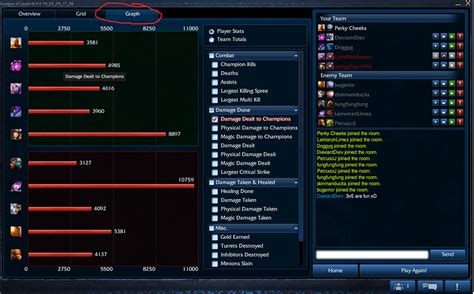
- Measure Performance, Not Just Wins: A single win or loss doesn’t tell the whole story. Pay attention to damage numbers, utility provided, survivability, and how effective your build feels in different scenarios.
Don’t be afraid to try counter-intuitive ideas. Sometimes, the most powerful builds emerge from unconventional thinking that challenges initial community consensus.

Iterate and Refine: The Ongoing Process
The meta is rarely static. Even after a major patch, it continues to evolve as players discover optimal strategies and developers issue hotfixes. Your adaptation process shouldn’t end after your first successful new build. Keep an eye on:
- High-Level Play: Watch professional players or high-ranked streamers. Their experiments and discoveries often trickle down and shape the broader meta.
- Community Discussion: Stay engaged with forums, Discord servers, and content creators. They can provide valuable insights and highlight emerging trends.
- Personal Performance: Continuously evaluate your own effectiveness. If a build starts to feel less powerful, or you find yourself consistently struggling against certain opponents, it might be time for another adjustment.
Flexibility is key. The most successful players are those who can quickly pivot and adapt their strategies as the game evolves, rather than clinging to outdated ideas.
Conclusion
Major game balance patches, while disruptive, are also opportunities for growth and discovery. By systematically deconstructing patch notes, engaging in thoughtful theorycrafting, rigorously testing hypotheses in-game, and continuously refining your approach, you can efficiently adapt your builds and maintain a strong presence in the ever-changing landscape of your favorite games. Embrace the challenge, learn from every experiment, and stay one step ahead of the meta.