How to adapt meta builds for solo vs. group play, understanding core stat priorities?

The Fundamental Dichotomy: Solo vs. Group Play
In the vast landscapes of online games, a well-crafted character build is often the keystone to success. However, the ‘meta’ build — the current most effective tactic available — isn’t a one-size-fits-all solution. The demands of tackling content alone are vastly different from those of a coordinated group. Understanding these core differences is the first step in adapting your build for optimal performance, ensuring you’re not a liability to yourself or your team.

Solo Play: Embracing Self-Reliance
When you’re adventuring solo, you are the entire ecosystem. You’re the damage dealer, the tank, and often the self-healer. This necessitates a balanced approach to your build, prioritizing self-sufficiency above all else. Your stat priorities will lean towards a blend of offensive and defensive capabilities, alongside utility that aids survival and progression.
- Damage Output: Essential for clearing content efficiently and defeating challenging foes.
- Survivability: Health, defenses, and damage mitigation are crucial since there’s no healer to bail you out.
- Self-Healing/Sustain: Abilities or stats that restore health or resources are invaluable for prolonged engagements.
- Crowd Control (CC): The ability to stun, slow, or incapacitate enemies helps manage large pulls or difficult encounters.
Your gear choices will often reflect this balance, perhaps favoring items with defensive procs, life steal, or hybrid stats over purely offensive ones.
Group Play: Synergy, Roles, and Specialization
Group play thrives on synergy and specialized roles. Here, the ‘meta’ build shifts from self-reliance to interdependence. Each member contributes a piece to the puzzle, allowing individuals to push their primary role’s effectiveness to its maximum, knowing their weaknesses are covered by teammates.

- Damage Dealers (DPS): Focus almost exclusively on maximizing damage output. Can often sacrifice personal defense for more offensive stats, relying on tanks and healers.
- Tanks: Prioritize threat generation, damage mitigation, and survivability to protect the group. Defensive stats like health, armor, and resistances are paramount.
- Healers: Concentrate on healing output, resource regeneration, and supportive abilities. Utility stats like cooldown reduction become highly valuable.
- Support: (If applicable) Focus on buffs, debuffs, crowd control, and utility to enhance the group’s overall performance.
In a group, an optimized build means being excellent at your designated role, rather than being merely good at everything.
Understanding Core Stat Priorities
Core stats are the bedrock of any build, but their priority significantly changes between solo and group play. Let’s break down how typical stat categories might shift:
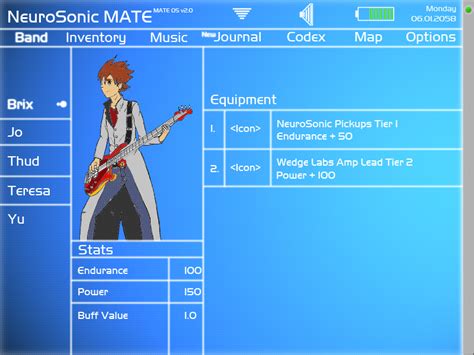
Primary Attributes (e.g., Strength, Intellect, Dexterity):
- Solo: Often balanced. A damage-focused class might still put points into vitality for health, or a tank might balance defense with enough damage to progress.
- Group: Highly specialized. DPS will pour everything into their primary offensive stat. Tanks into defensive stats (e.g., Stamina/Vitality). Healers into their healing-scaling stat.
Secondary Stats (e.g., Critical Chance, Haste, Versatility, Mastery):
- Solo: Versatility (often providing both offense and defense) and sustain-focused secondaries (e.g., life steal, defensive procs) gain importance.
- Group: Maximize effectiveness for your role. DPS will stack crit, haste, or mastery depending on their class’s scaling. Tanks will favor defensive secondary stats. Healers prioritize healing-boosting stats and resource management.
Defensive Stats (e.g., Health, Armor, Resistances, Dodge/Parry):
- Solo: Critically important for all builds. Directly impacts your ability to survive encounters.
- Group: Primary for tanks. For DPS and healers, these are often minimized in favor of offensive/healing stats, as their survival is generally managed by the tank and healer.
Utility/Resource Stats (e.g., Cooldown Reduction, Resource Regeneration):
- Solo: Important for maintaining abilities and resources through long fights without external support.
- Group: Still vital, but often synergizes with other group members. A group’s overall utility can reduce individual needs (e.g., mana regeneration totems for healers).
Adapting Your Build: Practical Steps
Adapting your meta build isn’t about having two completely separate characters, but rather being flexible with your gear, talents, and even playstyle. Many modern games offer tools to facilitate this:
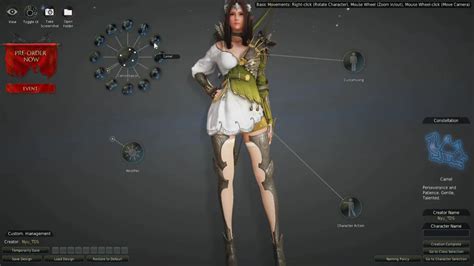
- Save Loadouts: Utilize in-game build managers or external tools to save different gear sets and talent distributions for quick swapping.
- Understand Stat Weighting: Research how each stat scales for your class in different scenarios. Websites and community guides often provide this data.
- Flexible Gear: Keep a selection of gear pieces with different stat distributions. For example, a DPS might have one ring focused on critical strike for group content and another with versatility for solo questing.
- Talent/Skill Tree Respecs: Be prepared to change your talents or skills. Often, solo talents focus on personal sustain or area-of-effect damage, while group talents might emphasize single-target burst or group utility.
- Gemming and Enchanting: These provide small, but significant, adjustments to your stats. Consider having different gems or enchant choices ready for different roles.
Conclusion
The ‘meta’ is a dynamic concept, constantly evolving with patches and player discovery. The most effective players are those who not only understand the current meta but also know how to skillfully adapt it to their specific needs. By appreciating the unique demands of solo versus group play and making informed decisions about your core stat priorities, you can elevate your gameplay, ensuring you’re always performing at your peak, whether you’re a lone wolf or part of a fearsome pack.