How to adapt my build when a core item or skill gets nerfed?
In the dynamic world of online games, patch cycles are a constant, and with them come inevitable changes to the game’s balance. A core item you rely on might see its stats reduced, or a beloved skill could have its damage or utility cut. While frustrating, a nerf doesn’t mean the end of your build. Instead, it presents an opportunity to adapt, innovate, and deepen your understanding of the game’s mechanics. The ability to pivot your strategy is a hallmark of a skilled player. This guide will walk you through the process of intelligently adjusting your build after a significant nerf.
Understanding the Nerf’s Impact
The first step in adapting is to fully comprehend the nerf itself. Don’t just read the patch notes; dissect them. Was it a flat damage reduction, a cooldown increase, a resource cost adjustment, or a change in a core mechanic? Consider both the direct and indirect consequences. A direct nerf to an item might weaken its primary user, but it could also indirectly boost the relative power of alternative items or even entire build archetypes that weren’t affected. Analyze how deeply the nerfed component was integrated into your build’s core synergy. Was it just a damage booster, or did it enable a unique playstyle or interaction?

Re-evaluating Core Components
Once you understand the nerf, objectively re-evaluate the role of the affected item or skill in your current setup. Ask yourself:
- Is it still viable? Even with the nerf, does it still offer enough value to justify its slot or skill points? Sometimes, a minor nerf only shifts an item from “best-in-slot” to merely “very good,” still a solid choice.
- What alternatives exist? Start brainstorming other items, skills, or even stat allocations that could fill the void left by the nerf. Look for components that offer similar utility, damage type, or defensive benefits.
- How does this impact other parts of my build? A change to one component can cascade. For example, if a skill’s damage is reduced, you might need more critical hit chance or damage amplification elsewhere to compensate.
Don’t be afraid to challenge long-held assumptions about your build. The meta is fluid, and what was once optimal might no longer be.
Exploring Alternatives and Synergies
This is where theorycrafting comes into play. Dive into the game’s item database, skill trees, or talent calculators. Look for overlooked or underutilized options that might suddenly become more attractive post-nerf. Consider:
- Direct Replacements: Are there items or skills that perform a similar function, even if less efficiently?
- Indirect Replacements: Can you achieve the same goal (e.g., burst damage, sustain) through a different combination of components? Perhaps a defensive item might now be more valuable to enable a longer damage window, rather than raw offensive power.
- New Synergies: A nerf can sometimes inadvertently create new, powerful synergies with previously ignored mechanics. Look for interactions that might now shine.

Theorycrafting and Testing
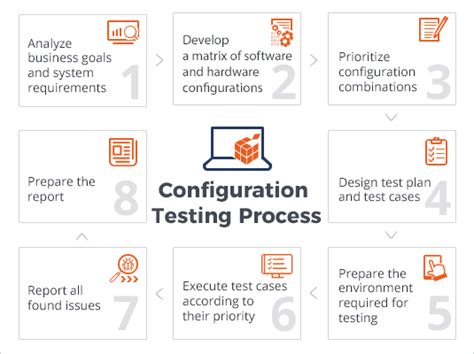
Once you have a few potential adaptations in mind, it’s time to put them to the test. Utilize third-party tools like build planners or damage calculators if available for your game. These can help you crunch numbers and get a theoretical understanding of how different changes will impact your build’s performance. However, theoretical performance doesn’t always translate perfectly to in-game experience.
Practical Testing: Take your modified build into a safe environment – a training dummy, a lower-difficulty zone, or a casual match. Pay attention to how the new components feel. Does the damage feel adequate? Is your survivability where it needs to be? Are your resource costs manageable? Be prepared to make iterative adjustments. It’s rare to nail the perfect adaptation on the first try.
Adjusting Playstyle and Strategy
Sometimes, simply swapping out an item or skill isn’t enough. A significant nerf might necessitate a complete shift in your playstyle. If your burst damage was nerfed, you might need to adopt a more sustained damage approach. If a defensive cooldown was extended, you might need to play more cautiously or prioritize positioning. Your build and playstyle are intrinsically linked; a change to one often demands an adjustment to the other. Reflect on how your role within a team, or your approach to encounters, might need to evolve.

Staying Ahead of the Meta
The game meta is a constantly evolving landscape. To effectively adapt to nerfs and thrive, it’s beneficial to:
- Stay Informed: Follow official patch notes, community discussions, and content creators who specialize in build theorycrafting.
- Experiment Continuously: Don’t wait for a nerf to explore new options. Regularly try out different items or skills, even if just for fun, to expand your understanding of the game’s possibilities.
- Understand Game Design Philosophy: Recognizing patterns in developer balancing decisions can sometimes help you anticipate future nerfs or buffs, allowing for proactive adaptation.
Embracing change is a core aspect of mastering any evolving online game. While nerfs can initially feel like a setback, they are ultimately opportunities to learn, grow, and discover new strengths within your chosen game. By systematically analyzing, exploring, testing, and adjusting, you can ensure your character remains a formidable force, no matter what challenges the patch notes bring.