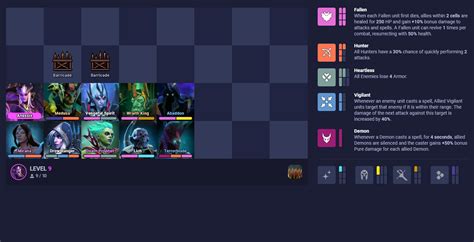
How to adapt my current build to the latest meta shifts without a full overhaul?
The ever-evolving landscape of competitive gaming means the meta is a constantly shifting beast. What was dominant last patch might be obsolete this patch, leaving players scrambling to keep up. While a complete build overhaul can sometimes be necessary, it’s often a daunting, time-consuming, and resource-intensive task. The good news is, for many meta shifts, subtle, intelligent adaptations to your current build can achieve similar results, keeping you competitive without forcing you back to square one.
Understanding the New Meta, Not Just Mimicking It
Before making any changes, it’s crucial to understand *why* the meta has shifted. Is it a new dominant strategy? A buff to certain characters or items? A nerf to previous powerhouses? Simply copying a top player’s build without understanding the underlying principles often leads to suboptimal results. Analyze the core strengths and weaknesses of the new meta-defining elements and how they interact with your current build’s core mechanics.
Identify where your build now falls short or, conversely, where it might still excel against the new popular strategies. Perhaps your defensive capabilities are no longer sufficient, or your damage profile struggles against new common resistances. Pinpointing these specific areas is the first step towards targeted adaptation.
Minor Tweaks, Major Impact: The Power of Subtlety
Often, the most effective adaptations aren’t about reinventing the wheel, but rather about fine-tuning its components.
Itemization Adjustments
One of the easiest and most impactful ways to adapt is through your item choices. Swapping out a single item for another that offers better synergy or counters a prevalent threat can dramatically alter your build’s performance. Consider changing an enchantment, a rune, or even adjusting your stat priorities slightly during the early game. For instance, if the meta favors burst damage, perhaps a defensive item or a health-scaling piece becomes more valuable than pure offense.
Skill/Talent Tree Refinements
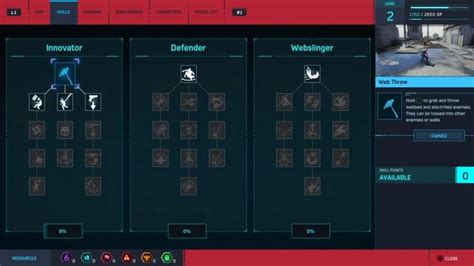
Similarly, a few points moved within a skill tree or a changed talent choice can make a significant difference. If a new meta strategy involves heavy crowd control, perhaps investing a point or two into a utility skill that grants tenacity or cleanse is more beneficial than a marginal damage increase. Look for abilities that offer flexibility, counter-play, or bolster your build’s weak points against current threats.
Optimizing Playstyle and Positioning
Sometimes, your build itself isn’t the problem, but rather how you’re playing it within the new context. A build optimized for aggressive dives might struggle if the meta now favors safer, longer-range engagements. Adapting your playstyle to match the meta’s pace – whether it’s more aggressive, more defensive, or focused on specific objectives – can be as effective as a build change.
Focus on aspects like engagement ranges, target priority, map awareness, and when to commit resources. A subtle shift in your positioning or decision-making can amplify the strengths of your existing build and mitigate its newfound weaknesses.
Leveraging Synergies and Counters
Every meta has its dominant strategies, but also its inherent weaknesses. Can your current build capitalize on what the new meta doesn’t do well? Perhaps the popular builds lack sustain, or are vulnerable to specific damage types, or rely heavily on a single carry. Identify these vulnerabilities and see if your build, with minor tweaks, can become an effective counter.
Look for new synergies that might have emerged with recent updates. A minor buff to an often-overlooked item or ability might now perfectly complement your core strategy against the new meta, turning a perceived weakness into a strength.

The Iterative Approach: Test, Learn, Refine
Adapting your build is an ongoing process, not a one-time fix. Make small, incremental changes. Test them in real game scenarios, analyze your performance, and be willing to refine further. Don’t be afraid to revert a change if it doesn’t yield the desired results. Documenting your changes and their observed impact can be incredibly valuable in this iterative process.
This approach allows you to learn what works best for *your* playstyle and *your* build within the new meta, without the commitment and risk of a full-scale redesign.
Conclusion
Staying competitive in a dynamic game environment doesn’t always demand a complete overhaul of your beloved build. By understanding the underlying reasons for meta shifts, focusing on minor yet impactful item and skill adjustments, refining your playstyle, and employing an iterative testing process, you can effectively adapt your current build. These subtle changes can breathe new life into your established strategies, ensuring you remain a formidable force on the battlefield without the monumental effort of starting from scratch.