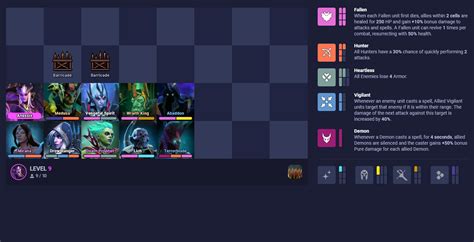
How to adapt my main build for the latest meta shifts in competitive play?

Understanding the Evolving Competitive Landscape
The competitive gaming world is a dynamic battlefield, constantly shifting with new patches, balance updates, and player innovations. What was once a dominant, meta-defining build can quickly become obsolete, leaving players struggling to keep pace. For those committed to climbing the ranks or maintaining peak performance, understanding and adapting your main build to these meta shifts isn’t just an advantage—it’s a necessity.
Ignoring the meta can lead to frustrating losses and a stagnant ranking. A build that feels comfortable might be inherently weak against prevalent strategies or outclassed by newly empowered alternatives. The goal isn’t necessarily to abandon your core playstyle, but rather to evolve it, ensuring it remains viable and effective in the current competitive climate.

Identifying and Interpreting Meta Shifts
The first step in adaptation is recognizing that a shift has occurred. This requires diligent observation and analysis. Key indicators include:
- Patch Notes & Balance Updates: These are the most direct causes of meta shifts. Pay close attention to buffs, nerfs, reworks, or the introduction of new characters, items, and abilities. Understand not just what changed, but its potential ripple effect across the game.
- Pro Play & High-Rank Streams: Top players and professionals are often the first to identify and exploit new meta strategies. Watching their gameplay, build choices, and discussions can provide invaluable insights into what’s working at the highest levels.
- Community Discussions & Data Sites: Forums, subreddits, and dedicated game statistics websites often aggregate community sentiment and hard data (win rates, pick rates, item popularity). These resources can confirm emerging trends and highlight builds that are over or underperforming.
Assessing Your Current Build’s Viability
Once you’ve identified a meta shift, critically evaluate your established main build. Ask yourself:
- Does it still counter popular strategies? If the new meta favors burst damage, does your build have enough survivability? If tanks are dominant, do you have adequate penetration?
- Are its core components affected? Were any of your key items, abilities, or character aspects directly buffed or nerfed?
- Are there new threats or synergies? Has a new character or item been introduced that specifically counters your build, or conversely, one that could significantly enhance it?
Distinguish between your build’s fundamental strengths and its adaptable elements. Some aspects might be non-negotiable for your playstyle, while others can be tweaked.

Strategies for Adaptation: From Tweaks to Overhauls
Adapting your build doesn’t always mean a complete redesign. The approach depends on the severity of the meta shift and your build’s current standing.
Minor Tweaks (Iterative Adjustments)
Often, small changes can yield significant results. Consider:
- Item Swaps: Replacing one situational item for another to counter a specific threat (e.g., more anti-healing, armor penetration, or utility).
- Talent/Rune/Skill Tree Adjustments: Shifting points or selections to optimize for current damage types, crowd control, or team compositions.
- Ability/Spell Sequence: Adapting your common combat rotation to better deal with prevalent threats or maximize damage windows against new targets.
These minor adjustments are low-risk and allow you to maintain your core playstyle while subtly addressing meta weaknesses or capitalizing on strengths.
Major Adjustments (Fundamental Changes)
Sometimes, the meta shift is so profound that minor tweaks aren’t enough. This might require:
- Core Item Rework: Swapping out a foundational item or changing your entire item progression path. This often comes after significant item rebalances.
- Playstyle Shift: If your build previously excelled at aggressive early-game dominance but the meta now favors late-game scaling, you might need to adjust your approach or consider a new core character.
- Counter-Meta Build: Instead of directly conforming, identify a niche build that specifically counters the dominant meta strategies, even if it’s less popular. This can surprise opponents and carve out a unique advantage.
These changes carry more risk and require more practice to master, but they can be essential for staying competitive when your original build is truly outclassed.
The Iterative Process: Test, Learn, Refine
Theorycrafting is important, but nothing replaces practical application. Once you’ve conceptualized changes to your build:
- Test in Low-Stakes Environments: Take your updated build into unranked matches, custom games, or scrims. Don’t immediately jump into ranked.
- Analyze Performance: Pay attention to what works and what doesn’t. Did the new item help? Was the talent swap effective? Be objective about your performance.
- Record & Iterate: Keep notes on your results. What matchups felt better? Where did you still struggle? Use this data to make further refinements. Adaptation is rarely a one-shot process; it’s continuous.

Staying Ahead of the Curve
The meta is a living entity. To truly adapt, you must treat it as an ongoing process. Regularly review patch notes, keep an eye on professional play, and engage with community discussions. Anticipating potential shifts rather than just reacting to them can give you a significant edge. Flexibility, critical thinking, and a willingness to step outside your comfort zone are the hallmarks of a truly adaptable competitive player.