How to adapt your build for meta shifts without a full respec?

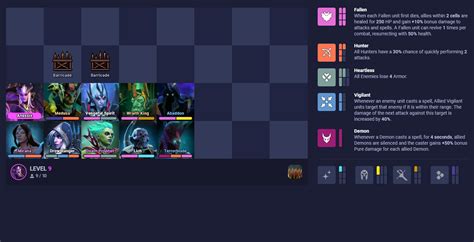
In the ever-evolving landscapes of online games, especially RPGs and MOBAs, the “meta” is a fickle beast. What might be a top-tier, dominant build one patch can become obsolete in the next, thanks to balance changes, new content, or community discoveries. The instinct might be to panic and consider a full character respec – a costly, time-consuming, and often frustrating endeavor. But what if there was a smarter way?
Understanding the Shifting Sands of the Meta
The meta refers to the “Most Effective Tactic Available” at any given time within a game. It’s dictated by a complex interplay of character abilities, item synergies, enemy encounters, and player skill. When developers introduce patch updates, they often bring nerfs to overperforming elements, buffs to underperforming ones, and entirely new mechanics or items. These changes can subtly or dramatically alter the landscape, making previously powerful builds less effective, or opening doors for new strategies.
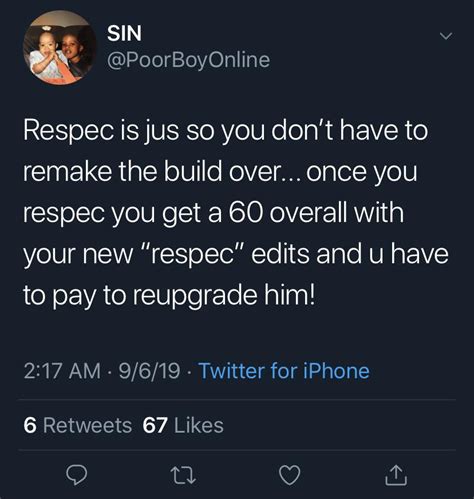
A full respec, while sometimes necessary, usually involves wiping your entire skill tree, reassigning all points, and potentially re-gearing. This can be expensive in terms of in-game currency, premium tokens, or simply the sheer amount of time required to re-optimize. For many players, especially those with limited play time, avoiding a full respec is a high priority.
Strategic Micro-Adjustments: Your First Line of Defense
Instead of a drastic overhaul, consider making targeted, minor adjustments to your existing build. These “micro-adjustments” can often yield significant results without dismantling your core character identity.
Skill and Talent Tree Tweaks
Even if your core ability rotation remains strong, a meta shift might require shifting a few talent points. Perhaps a passive node that previously offered marginal benefit is now crucial due to a new damage type in endgame content. Or, a less-used active skill might suddenly shine with a small buff. Review your skill tree and identify “flex points” – those that aren’t absolutely core to your build’s functionality but offer utility or minor stat boosts that can be reallocated. Prioritize survivability, utility, or damage mitigation based on the current challenges.
Gear Swaps and Modifications
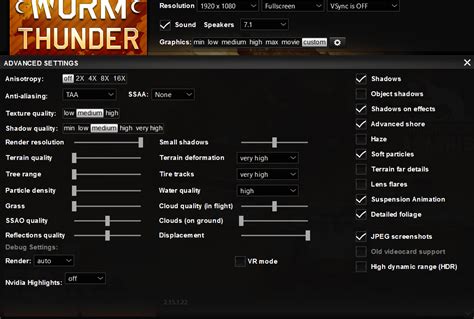
Often, the most impactful way to adapt without a full respec is through gear. Your core legendary weapon or armor might remain, but auxiliary pieces can be swapped. For instance, if a new raid boss deals heavy fire damage, you might temporarily swap out a ring with critical strike chance for one with higher fire resistance. Similarly, gem sockets, enchantments, or crafting affixes can be modified to prioritize different stats like attack speed, resource generation, crowd control duration, or specific elemental resistances. Even a single item change can significantly alter a build’s performance against certain threats.
Ability Rotation and Playstyle Adaptations
Sometimes, the build itself isn’t the problem, but how it’s being played. Meta shifts often introduce new enemy mechanics or require different strategic approaches. Learning to optimize your ability rotation, positioning, or targeting priorities can often bridge the gap. Experiment with using your existing abilities in different sequences or saving certain cooldowns for specific encounter phases. A slight adjustment to your playstyle can sometimes be more effective than a complete build revamp.
Building for Future Flexibility
The best defense against constant respeccing is often a good offense in build design. When initially crafting your character, consider incorporating some inherent flexibility:
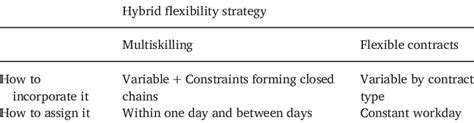
- Hybrid Builds: Designs that can pivot between two primary roles (e.g., damage and off-tanking, or physical and elemental damage) can be incredibly resilient to meta shifts.
- Versatile Gear Sets: Maintain a small inventory of alternative gear pieces for different situations (e.g., a “bossing set” and a “clearing set”).
- Resource Hoarding: Save any in-game currency or respec tokens. Having them on hand reduces the mental barrier to making minor adjustments.
- Stay Informed: Keep an eye on patch notes, developer diaries, and community discussions. Understanding upcoming changes can allow you to adapt proactively rather than reactively.
When a Full Respec Becomes Inevitable
While partial adaptation is powerful, there’s certainly scenarios where a full respec is the only viable option. Major class reworks, fundamental changes to core mechanics, or a complete desire to shift your playstyle (e.g., from ranged DPS to melee tank) often necessitate a complete overhaul. In these cases, it’s less about adapting and more about embracing a new chapter for your character. However, these instances are typically less frequent than the minor shifts that can be handled with careful adjustments.
Embrace Agility, Avoid the Reset Button
Adapting your build for meta shifts without a full respec is a skill that saves time, resources, and frustration. By focusing on micro-adjustments to your skill tree, optimizing your gear, and refining your playstyle, you can keep your character competitive and enjoyable. Proactive planning for flexibility in your builds further enhances your resilience against the whims of the meta. So, the next time a new patch drops, take a deep breath, analyze the changes, and look for the smart, surgical adjustments before reaching for the reset button.