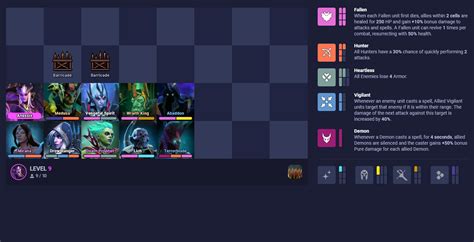
How to adapt your favorite build to counter dominant meta strategies post-patch?

Every dedicated gamer has that one build they swear by—the carefully curated combination of abilities, items, and playstyle that just *feels* right. But what happens when a new patch drops, irrevocably shifting the meta and rendering your beloved strategy less effective, or worse, completely outclassed? The challenge isn’t about abandoning your passion project, but rather understanding how to evolve it to thrive in the new landscape.
Deconstructing the New Meta Landscape
Before you can adapt, you must first understand what you’re up against. Post-patch, dominant strategies emerge rapidly, often revolving around overperforming characters/champions, potent new item synergies, or rebalanced mechanics. Start by observing common picks, bans, and build paths in high-level play or popular streams. Identify *why* these strategies are strong: Is it due to burst damage, sustained pressure, exceptional crowd control, superior map control, or faster economy scaling?
Understanding the core strengths and inherent weaknesses of the new meta archetypes is your foundational first step. For instance, if the meta heavily favors hyper-aggressive early-game pushes, your late-game scaling build might initially struggle, but this struggle also presents opportunities if you can effectively survive and capitalize on their eventual fall-off.
Assessing Your Core Build’s Strengths & Weaknesses
Take an honest, objective look at your favorite build. What are its inherent strengths? Does it offer raw damage, exceptional survivability, crucial utility, specific power spikes, or unique crowd control? Equally important, what are its weaknesses? Does it lack mobility, suffer against certain damage types, or require specific conditions (like team composition or game length) to truly excel?
Now, compare these strengths and weaknesses against the identified dominant meta strategies. If your build thrives on sustained damage but the current meta is all about quick, overwhelming burst, you have a direct conflict that requires attention. Similarly, if your build excels at single-target lockdown but the meta is heavily group-focused, adjustments are clearly needed.
Strategic Adaptation: Tweaks, Counters, and Hybrids
This is where creativity meets pragmatism. Your build might not need an overhaul, but rather a strategic series of refinements.
Minor Adjustments (The Low-Hanging Fruit):
Often, your build doesn’t need a complete reconstruction, just a few targeted tune-ups.
- Item Swaps: Can you replace one offensive item with a defensive one that specifically counters the meta’s primary damage source (e.g., armor against physical damage, magic resist against magical)? Or perhaps swap a pure utility item for one that provides more crowd control resistance or better wave clear?
- Talent/Rune/Skill Tree Respecs: Are there alternative paths or point allocations that grant more resilience, offer stronger early-game power, or provide specific counter-abilities? Even a single point or a minor rune change can sometimes make a significant difference.
- Playstyle Shift: If your build is normally aggressive, can you play more defensively early on to reach your crucial power spikes safely? Or, conversely, can you capitalize on a newly exposed early-game weakness in the meta with a more proactive approach?
Identifying Direct Counters:
Sometimes, your build might inherently counter a *specific aspect* of the dominant meta strategy without you even realizing it. For example, if the meta favors champions with high-cooldown, powerful abilities, your build with strong disengage, silence, or cooldown reduction might find a niche. Highlight these often-overlooked synergies.

Embracing Hybridization:
This is where you might need to step outside your comfort zone. Can you integrate elements of a meta build into your own? Perhaps adopting a core item, a specific talent, or even a different character/champion choice that retains the *spirit* of your build while being more meta-aligned. This isn’t about abandoning your identity but rather evolving it to stay competitive and relevant.
Practice and Iteration: The Proving Grounds
Theorycrafting is merely the first step. The true test of your adapted build lies in actual gameplay. Dedicate time in unranked matches or practice modes to try out your changes. Pay close attention to what works, what doesn’t, and why. Don’t be afraid to experiment aggressively.
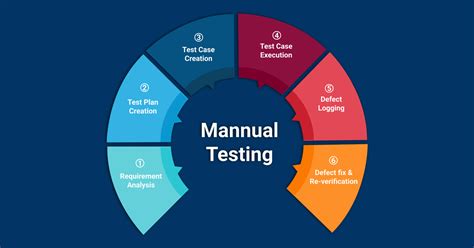
Be prepared to iterate. If one change doesn’t pan out, revert it and try another. Keep a mental (or even physical) log of your successes and failures. The meta is fluid, and so your adaptations should be. Even small quality-of-life changes can drastically improve a build’s performance against dominant strategies over time.
Conclusion
Adapting your favorite build to counter dominant meta strategies post-patch isn’t about giving up what you love; it’s about mastering the art of evolution. By diligently understanding the new meta, honestly assessing your build’s core, implementing strategic tweaks, and rigorously testing your hypotheses, you can keep your unique playstyle alive and thriving. In the ever-shifting landscape of competitive gaming, flexibility, insight, and a willingness to experiment are your greatest assets.