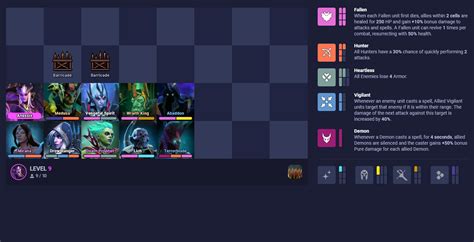
How to adapt your favorite build to the new meta without starting fresh?

Embracing Change: Evolving Your Beloved Build
The ever-shifting landscape of game metas can be daunting. A new patch drops, a dominant strategy emerges, and suddenly your meticulously crafted build feels like a relic of a bygone era. The knee-jerk reaction for many is to scrap everything and start from scratch, investing countless hours in theory-crafting and grinding new gear. However, this isn’t always necessary or even optimal. With a strategic approach, you can often adapt your favorite build to thrive in the new meta, preserving its core identity while enhancing its competitive edge.
This guide will walk you through the process of analyzing the new meta, identifying your build’s strengths and weaknesses, and making targeted adjustments to keep you at the top of your game without sacrificing the character or playstyle you’ve grown to love.
Step 1: Understand the New Meta and Its Impact
Before making any changes, you need a clear understanding of what has changed. Dive into patch notes, community discussions, and high-level gameplay. What abilities or items were buffed or nerfed? Have new mechanics been introduced? Are specific classes or playstyles now more dominant or less viable? Focus on the fundamental shifts.
- Identify Dominant Strategies: What builds or compositions are currently performing exceptionally well? What makes them strong?
- Analyze Key Threats: What are the primary damage sources, crowd control abilities, or defensive mechanics you’ll now frequently encounter?
- Recognize Weaknesses of the Meta: Every dominant strategy has a counter. Look for the gaps or vulnerabilities that your build might exploit.
Step 2: Assess Your Build’s Core Strengths and Weaknesses
Now, look at your existing build through the lens of the new meta. What aspects of your build still hold up? What areas are now significantly weaker? It’s crucial to be honest in this assessment.
- Core Strengths: What unique advantages does your build offer? Is it high burst damage, strong sustained healing, unparalleled mobility, or robust tankiness? These are the elements you want to preserve.
- Current Weaknesses: Where does your build fall short? Does it lack answers to the new dominant threats? Is it too vulnerable to common counter-strategies?
- Synergies: Does your build have any hidden synergies with new buffs or changes that you might not have noticed initially?

Step 3: Surgical Modifications: Talents, Gear, and Abilities
With a clear understanding of both the meta and your build, it’s time for targeted adjustments. The goal here is refinement, not reinvention. Focus on minor tweaks that yield significant results.
Talents/Skills/Passives
Review your talent tree or skill selections. Are there alternative choices that address new threats or enhance your build’s effectiveness against the meta? For example, if the meta is heavily reliant on crowd control, opting for a talent that grants crowd control reduction might be more valuable than a purely damage-oriented one.
Gear/Items
Gear changes can have a profound impact. Look for items that:
- Counter Meta Threats: Items providing specific resistances, debuff cleanses, or unique active effects can shut down popular strategies.
- Enhance Existing Strengths: If your build is known for its burst damage, find an item that amplifies that without compromising other stats.
- Improve Survivability: Sometimes, a slight shift towards defensive stats on one or two pieces of gear is all it takes to survive crucial engagements.

Ability Rotations/Playstyle
Sometimes, the build itself doesn’t need to change, but how you play it does. The new meta might demand a different approach to engagement, disengagement, or target prioritization. Practice new rotations, identify optimal positioning, and learn when to be aggressive versus when to play defensively.
Step 4: Test, Iterate, and Refine
Theory is only half the battle. Once you’ve made your adjustments, it’s crucial to test them in real gameplay scenarios. Don’t be afraid to fail; each loss is a learning opportunity.
- Start Small: Make one or two changes at a time to isolate their impact.
- Analyze Performance: Pay attention to what worked and what didn’t. Did your changes address the perceived weaknesses? Did they inadvertently create new ones?
- Gather Feedback: Discuss your experiences with trusted teammates or community members. Their perspective can offer valuable insights.
- Be Patient: Adapting takes time. You might need several iterations of tweaks before finding the sweet spot.
Step 5: Know When to Hold ‘Em, and When to Fold ‘Em
While adaptation is often possible, there are rare instances where a build simply becomes unviable due to drastic meta shifts. If, after extensive testing and iteration, your build consistently underperforms or feels fundamentally broken, it might be time to genuinely consider a fresh start or a more significant overhaul. However, this should always be a last resort, taken only after exhausting all adaptation possibilities.

Conclusion
Adapting your favorite build to a new meta is a rewarding process that allows you to deepen your understanding of the game and maintain your unique playstyle. By systematically analyzing the meta, assessing your build, making targeted modifications, and rigorously testing your changes, you can continue to enjoy your beloved build and achieve success in the evolving competitive landscape. Remember, flexibility and a willingness to learn are your greatest assets in the face of change.