




How to adapt your main’s build quickly after a major meta shift or nerf?
Navigating the Volatile Landscape of Game Metas
In the dynamic world of competitive gaming, meta shifts and balance changes are an inevitable constant. A major patch can often render your perfectly optimized main’s build obsolete overnight, leaving you scrambling to adapt. The ability to quickly pivot and refine your strategy is crucial for maintaining your competitive edge and continuing to enjoy your favorite character. This guide will walk you through a systematic approach to rapidly adjusting your main’s build when the game environment undergoes a significant upheaval.
Step 1: Deep Dive into Patch Notes and Community Reactions
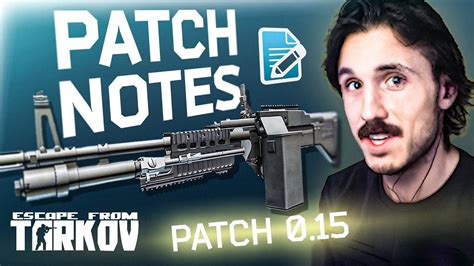
The first and most critical step is to thoroughly read the official patch notes. Don’t just skim; pay close attention to numerical changes, item reworks, ability alterations, and any system-wide modifications. Understand not only what was changed, but why. Following this, consult reputable community sources: high-level player streams, dedicated forums, and competitive analysis sites. These platforms often provide initial theories, experimental builds, and discussions on how the changes impact the meta. This dual approach gives you both the raw data and early interpretations.
Identify specific changes that directly affect your main, their core items, common matchups, or strategic role. Was a key item nerfed? Did an ability receive a significant damage or cooldown adjustment? Did a counter-pick receive a buff that makes your matchup harder? Pinpointing these direct impacts is vital for targeted adjustments rather than a blind overhaul.
Step 2: Assess Your Main’s Viability and Role
With an understanding of the patch, evaluate your main’s current standing. Is the core identity of your character still intact? Sometimes, a nerf might shift a character from a top-tier carry to a viable utility pick, or from an early-game powerhouse to a late-game scaler. Consider if your main’s typical playstyle is still effective, or if a different approach is now warranted. This assessment might reveal that only minor tweaks are needed, or that a complete re-evaluation of their role within the team composition is necessary.
Step 3: Theorycrafting and Researching New Builds
This is where the creative problem-solving begins. Based on the patch analysis and your main’s current viability, start exploring new build paths. Look for items that received buffs, new synergies that emerged, or alternative skill orders that might now be more effective. Don’t be afraid to think outside the box; sometimes, a previously overlooked item or strategy can become dominant. Leverage resources like build aggregators, pro player databases, and content creators who specialize in your character. They often provide valuable insights and early iterations of new meta builds.
Focus on identifying new ‘power spikes’ – moments in the game where your character gains a significant advantage through items or level-ups. If old power spikes were diminished, where can new ones be found? Consider how your build interacts with the current meta champions and items. Is there a new defensive item that counters a popular threat? Or an offensive item that exploits a common weakness?

Step 4: Practice and Refine Through Experimentation
Theory is only as good as its practical application. Take your new or adjusted build into low-stakes environments: practice tools, unranked matches, or custom games. This allows you to test hypotheses without the pressure of competitive play. Pay attention to how the build feels during different stages of the game, how it impacts your damage, survivability, and utility. Be prepared to make iterative adjustments; your first theorycraft is rarely perfect.
It’s crucial to differentiate between an actual build weakness and simply needing to adjust your playstyle to the new build. Give yourself a few games to get comfortable before making drastic changes. If a build consistently underperforms or feels awkward, then it’s time to go back to the drawing board.

Step 5: Embrace Continuous Adaptation
The meta is rarely static for long. Even after a major shift, minor hotfixes and player discoveries will continue to shape the optimal strategies. Treat build adaptation as an ongoing process rather than a one-time fix. Stay engaged with patch notes, community discussions, and high-level gameplay. Be willing to make small, incremental changes to your build as the meta evolves. The players who consistently perform well are often those who are most adept at continuous learning and adaptation.
Remember that a ‘main’ doesn’t mean sticking to one build regardless of circumstances. It means mastering a character’s core mechanics and being flexible enough to tailor their approach to any given game state.

Conclusion: Mastering the Art of the Quick Pivot
Adapting your main’s build quickly after a meta shift or nerf is a skill as vital as mechanical execution. By systematically analyzing changes, assessing your character’s viability, engaging in thorough theorycrafting, and rigorously testing new approaches, you can minimize downtime and quickly return to peak performance. Embrace the challenge of change, and you’ll not only stay competitive but also deepen your understanding and mastery of your favorite character and the game itself.