How to avoid burnout in competitive gaming: Practical mental health tips?
The High Stakes of Competitive Gaming and the Burnout Risk
Competitive gaming, while exhilarating and potentially lucrative, demands an immense amount of focus, dedication, and resilience. The pressure to perform, the grueling practice schedules, constant analysis of gameplay, and the public scrutiny can take a severe toll on a player’s mental well-being. Burnout, once primarily associated with traditional demanding professions, is now a very real and prevalent issue in esports, threatening careers and personal health alike. Understanding and actively combating burnout is crucial for sustained success and overall happiness in this high-pressure environment.
Recognizing the Signs: What Does Gamer Burnout Look Like?
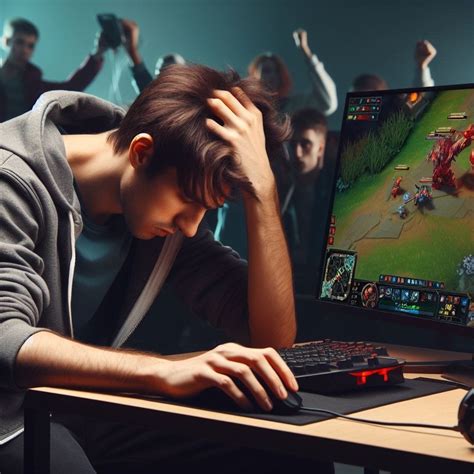
Burnout isn’t just feeling tired; it’s a state of emotional, physical, and mental exhaustion caused by prolonged or excessive stress. For competitive gamers, it can manifest as:
- Emotional Exhaustion: Feeling drained, cynical, or apathetic towards gaming.
- Depersonalization: Detachment from the game, teammates, or community.
- Reduced Performance: Declining skill, poor decision-making, increased mistakes.
- Physical Symptoms: Sleep disturbances, headaches, digestive issues, chronic fatigue.
- Loss of Enjoyment: The game that once brought joy now feels like a chore.
- Irritability: Increased frustration with teammates, opponents, or oneself.
Early recognition of these signs is the first step towards prevention and recovery.
Practical Mental Health Tips to Prevent Burnout
1. Prioritize Scheduled Breaks and Intentional Rest
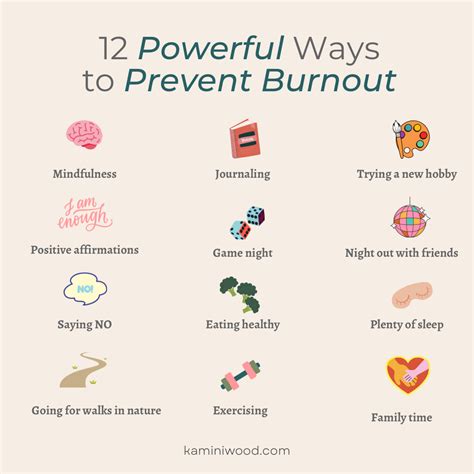
Treat breaks as a vital part of your training regimen. Regular short breaks during long gaming sessions (e.g., 10-15 minutes every hour) can significantly reduce mental fatigue. Beyond micro-breaks, ensure you have dedicated days off from gaming entirely. Use this time to disconnect, pursue other hobbies, or simply relax.
Actionable Tip: Schedule non-gaming activities in your calendar just as you would practice sessions. Consider a complete digital detox for at least one day a week.
2. Cultivate Physical Well-being
Your mental strength is intrinsically linked to your physical health. Neglecting your body will inevitably impact your mind and performance.
- Quality Sleep: Aim for 7-9 hours of consistent, quality sleep. Establish a regular sleep schedule, even on weekends.
- Nutrition: Fuel your body with balanced meals, avoiding excessive sugar, caffeine, and processed foods that can lead to energy crashes.
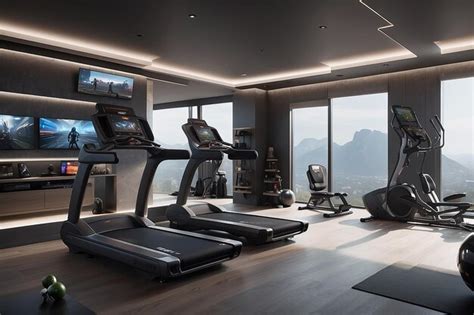
- Exercise: Incorporate regular physical activity. Even a 30-minute walk can improve mood, reduce stress, and enhance cognitive function.
3. Set Clear Boundaries and Maintain a Game-Life Balance
It’s easy for competitive gaming to consume all aspects of life. Setting clear boundaries is essential. Define specific hours for practice and competition, and stick to them. Differentiate between practice time and leisure gaming, if you still enjoy the latter.
Actionable Tip: Have a dedicated ‘off-switch’ ritual at the end of your gaming day – perhaps a short walk, reading, or connecting with family/friends.
4. Practice Mindfulness and Stress Management Techniques
Learning to manage stress in the moment is a powerful tool. Techniques like deep breathing, meditation, or even a quick body scan can help you recenter during high-pressure situations or after a frustrating loss.
- Deep Breathing: Inhale slowly through your nose, hold, then exhale slowly through your mouth. Repeat several times to calm your nervous system.
- Mindfulness Apps: Utilize apps like Calm or Headspace for guided meditations tailored for stress reduction.
5. Nurture Social Connections Outside of Gaming
While the gaming community offers camaraderie, it’s vital to have strong social ties beyond the screen. Friends and family who aren’t involved in competitive gaming can provide a different perspective, emotional support, and a vital escape from the constant pressure.
6. Embrace a Growth Mindset and Reframe Failure
Losses are inevitable in competitive gaming. Instead of viewing them as personal failures, see them as learning opportunities. Focus on what you can control – your effort, analysis, and improvement – rather than solely on outcomes. Celebrate small victories and acknowledge your progress.
7. Don’t Hesitate to Seek Professional Help
If burnout symptoms persist or feel overwhelming, reaching out to a mental health professional (therapist, counselor, or sports psychologist) is a sign of strength, not weakness. Many professionals specialize in working with athletes, including esports players, to develop coping strategies, manage anxiety, and enhance resilience.
Conclusion
Sustaining a career or even a serious hobby in competitive gaming requires more than just mechanical skill; it demands robust mental fortitude and proactive self-care. By integrating scheduled breaks, prioritizing physical health, setting boundaries, practicing mindfulness, nurturing diverse social connections, embracing a growth mindset, and being open to professional support, competitive gamers can navigate the intense pressures of the esports world. Protecting your mental health isn’t a distraction from your goals; it’s the foundation for long-term success and enduring enjoyment in the game you love.