





How to balance comprehensive gaming walkthroughs with quick, scannable advice?
The Dual Challenge of Modern Gaming Guides
In the vast and ever-evolving landscape of video games, players often seek guidance. Some are completionists, meticulously exploring every nook and cranny, desiring every detail and lore snippet a game has to offer. Others are casual players or those stuck on a specific challenge, simply needing a quick pointer to overcome an obstacle and continue their adventure. This dichotomy presents a significant challenge for content creators: how do you craft a guide that satisfies both the craving for comprehensive depth and the demand for instant, scannable solutions?
The key lies in intelligent design and a user-centric approach, ensuring that your content serves multiple purposes without sacrificing quality or overwhelming the reader.

Understanding Comprehensive Walkthroughs
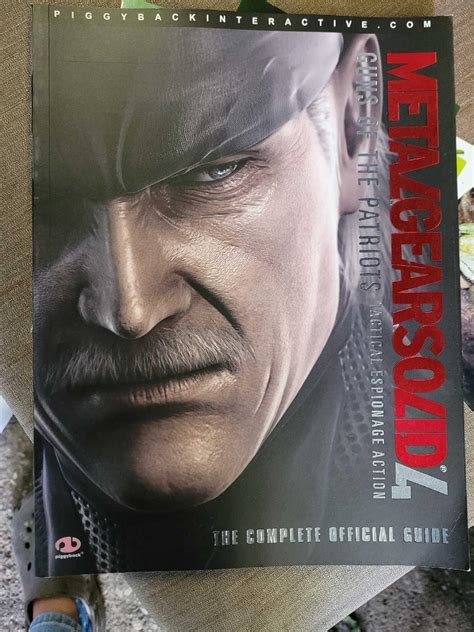
Comprehensive walkthroughs are the encyclopedias of the gaming world. They aim to cover every possible detail: every item location, secret passage, enemy weakness, boss strategy, puzzle solution, and narrative choice consequence. These guides are invaluable for players aiming for 100% completion, those deeply invested in a game’s lore, or individuals who want to understand the intricate mechanics at play.
The strength of comprehensive guides is their thoroughness. They leave no stone unturned, offering a rich and detailed narrative of the game experience. However, their very comprehensiveness can be a drawback for someone who just needs a quick answer. Sifting through pages of text to find a single solution can be frustrating and counterproductive.
Embracing Quick, Scannable Advice
On the other end of the spectrum is quick, scannable advice. This comes in the form of bullet-point lists, bolded key phrases, “TL;DR” summaries, infographics, and short, targeted tips. Its primary goal is efficiency: deliver the necessary information in the fewest possible words, allowing players to grasp solutions at a glance.
Scannable advice excels in addressing immediate problems, such as “how to beat this boss phase” or “where is the next objective.” It’s perfect for players who are stuck, short on time, or simply want a hint without spoiling the entire experience. The challenge here is providing enough context without becoming overly verbose, ensuring the advice is clear and actionable.
![How Scannable Content Rules the Internet? [A Beginners Guide]](/images/aHR0cHM6Ly90czEubW0uYmluZy5uZXQvdGg/aWQ9T0lQLkdMYzViNEhCWGxtMGxHNFQtRDlYaXdIYUR0JnBpZD0xNS4x.webp)
Strategies for Harmonious Integration
The art of balancing these two approaches lies in intelligent structuring and presentation. Here’s how to create guides that are both deep and easily digestible:
Modular Design and Navigation
Implement a robust table of contents with anchor links, allowing users to jump directly to specific sections. Clear, descriptive headings and subheadings are crucial. Think of your guide as a book with a strong index—readers can dive deep into chapters or quickly find a specific topic.
Layered Information Presentation
Start each major section with a brief, bolded summary or a bullet-point list of key takeaways. Follow this with the detailed explanation. This “summary-then-detail” approach caters to both types of readers: those who need a quick answer get it immediately, and those who want more context can continue reading.
Consider using expandable sections or ‘spoiler tags’ for extra lore or optional details, giving users control over how much information they consume.
Visual Aids and Media
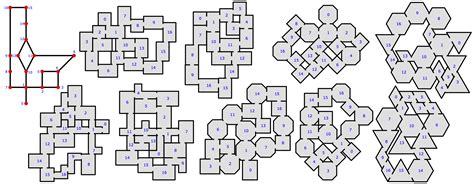
Screenshots, GIFs, and short video clips are incredibly effective. A picture showing an item’s location or a short GIF demonstrating a boss’s attack pattern can convey more information faster than paragraphs of text. Use these to supplement both comprehensive explanations and quick tips.
Contextual Quick Tips and Call-outs
Throughout your comprehensive sections, integrate visually distinct “quick tip” boxes or sidebars. These can highlight crucial information, common pitfalls, or optimal strategies relevant to the surrounding detailed text without interrupting the flow for those who are reading every word.
User-Centric Approach
Gather feedback. What are players struggling with most? What information do they seek quickly? Tailor your guide’s structure and emphasis based on common user queries and pain points. Analytics can also reveal which sections are most frequently visited, helping you prioritize scannable content.
Practical Implementation Tips
- Consistent Formatting: Use bolding, italics, and consistent heading styles to make your content easy to scan and navigate.
- Prioritize Common Issues: Identify the most frequent roadblocks players encounter and ensure quick solutions for these are prominent.
- Regular Updates: Games evolve, and so should your guides. Keep content fresh and accurate.
Conclusion
Crafting effective gaming walkthroughs in today’s diverse player landscape is about more than just knowing the game inside out; it’s about understanding player psychology and information design. By strategically blending the exhaustive detail of comprehensive guides with the immediate utility of scannable advice, content creators can build resources that are universally valuable, empowering every type of gamer to enjoy their adventures to the fullest. It’s not about choosing one over the other, but mastering the art of seamless integration.



