How to balance daily practice with mental well-being in competitive gaming?

Competitive gaming demands relentless dedication, countless hours of practice, and an unwavering commitment to improvement. While the pursuit of excellence often requires pushing boundaries, neglecting mental well-being can lead to burnout, decreased performance, and a significant detriment to a player’s overall health. Striking the right balance between intensive daily practice and robust mental health is not just beneficial; it’s critical for sustained success and longevity in the high-pressure world of esports.
Understanding the Grind and Its Toll
The “grind” is an inherent part of competitive gaming. Players spend hours perfecting mechanics, analyzing VODs, coordinating with teammates, and constantly adapting to meta changes. This demanding schedule, often coupled with high stakes, public scrutiny, and the constant pressure to perform, can easily lead to stress, anxiety, sleep deprivation, and even depression. Recognizing these potential pitfalls is the first step toward building a resilient approach to competitive play.
Implementing Structured Practice Routines
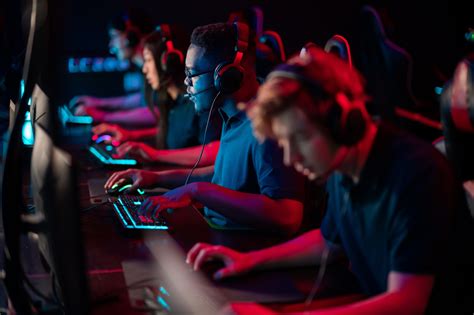
Effective practice isn’t just about raw hours; it’s about smart hours. Develop a structured schedule that includes specific goals for each session. Integrate short breaks every 60-90 minutes to prevent mental fatigue and maintain focus. Long, uninterrupted sessions can often lead to diminishing returns. Deliberate practice, focused on specific weaknesses rather than aimless grinding, will yield better results and feel less overwhelming.
Prioritizing Physical Health
Mental well-being is inextricably linked to physical health.
- Exercise: Regular physical activity, even short bursts, can significantly reduce stress, improve mood, and enhance cognitive function.
- Nutrition: A balanced diet fuels both the body and the brain. Avoid excessive caffeine and sugary snacks that lead to energy crashes.
- Sleep: Consistent, quality sleep is non-negotiable. Aim for 7-9 hours per night to allow your brain to recover, consolidate learning, and optimize reaction times and decision-making. Sleep deprivation is a direct pathway to poor performance and mental distress.
Cultivating Mindfulness and Stress Management Techniques
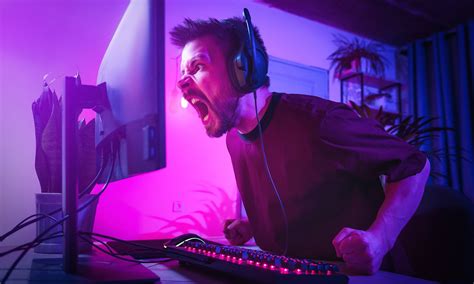
Incorporating mindfulness practices can be a game-changer. Techniques like deep breathing exercises, meditation, or even just taking a few moments to focus on your senses can help manage anxiety and improve emotional regulation. Understanding your personal stress triggers and developing coping mechanisms before you’re overwhelmed is crucial. Journaling can also be an effective way to process thoughts and feelings.
Building Strong Support Systems
No player is an island. Maintain strong connections with friends, family, and supportive teammates. Having a network of people who understand your journey and can offer emotional support, a listening ear, or simply a distraction from the game is vital. Don’t hesitate to seek professional help from a sports psychologist or therapist if you feel overwhelmed; mental health professionals are increasingly common and valued in esports.
Setting Realistic Goals and Celebrating Progress
The pursuit of perfection can be exhausting. Set realistic, achievable short-term and long-term goals. Focus on incremental progress rather than solely on outcomes. Celebrate small victories and acknowledge your improvements. This positive reinforcement can combat feelings of inadequacy and keep motivation high, preventing the demotivation that often leads to burnout.

Knowing When to Step Back
Sometimes, the most competitive decision is to take a break. Recognizing the signs of impending burnout—fatigue, irritability, loss of enjoyment, decreased performance—and proactively stepping away for a day, a weekend, or even longer, can be incredibly restorative. This isn’t a sign of weakness; it’s a strategic move to recharge and return stronger and more focused.

Balancing the rigorous demands of competitive gaming practice with the imperative of mental well-being is an ongoing challenge, but an achievable one. By adopting structured routines, prioritizing physical health, practicing mindfulness, leveraging support systems, setting realistic goals, and knowing when to rest, players can build a sustainable and successful career in esports. A healthy mind is an essential tool in any champion’s arsenal, ensuring not just peak performance, but also a fulfilling and enjoyable journey.