How to balance detailed gaming guides with quick, spoiler-free tips for all players?
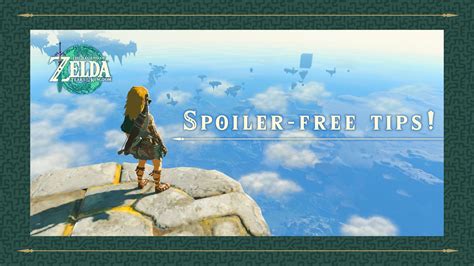
The Guide Creator’s Dilemma: Serving Diverse Player Needs
Creating effective gaming guides is a delicate art. On one hand, players often crave comprehensive, in-depth walkthroughs that leave no stone unturned, detailing every secret, optimal strategy, and lore tidbit. On the other, a significant portion of the audience simply wants a quick nudge in the right direction, a spoiler-free hint to overcome a tricky boss or puzzle without revealing major plot points or ruining the joy of discovery. Balancing these two distinct needs is a fundamental challenge for any guide writer.
Strategy 1: Layered Information Design
The most effective approach often involves presenting information in layers, allowing players to delve as deep as they wish without being overwhelmed or spoiled prematurely.
Summary First, Details Second
Begin each section or guide with a concise, spoiler-free summary or a quick tip. This allows players to get immediate assistance. For example, a boss guide might start with: “Focus on dodging its AOE attack and hitting its weak point during recovery.” Below this, you can then expand with detailed move sets, phase breakdowns, recommended gear, and advanced strategies.
This structure empowers players to decide how much information they need. Those seeking only a hint can stop at the summary, while completionists can continue reading for exhaustive data. Clearly delineate these sections using headings or visual separators.
Clear Spoiler Warnings and Sections
For content that absolutely must include spoilers, such as major plot twists, secret endings, or late-game character revelations, implement strict warning protocols. Use prominent headings like “SPOILER ALERT! Major Story Details Ahead” or collapsible sections that require a click to reveal. This gives players control over their exposure and respects their desire to experience the narrative organically.
Strategy 2: Diversifying Guide Formats
Sometimes, a single guide can’t do it all. Offering different types of guides can better serve varied player preferences.
Quick Start Guides vs. Comprehensive Walkthroughs
Consider creating two distinct types of resources: a “Quick Start Guide” or “Beginner’s Tips” that focuses purely on fundamental mechanics, early game progression, and general advice without story spoilers, and a separate “100% Completion Walkthrough” that covers every detail, secret, and late-game challenge. Link them clearly so players can easily navigate between them.
Interactive Guides and Navigation
Utilize interactive elements. A detailed table of contents with jump links allows players to quickly skip to the specific section they need without scrolling through pages of irrelevant (or spoiler-filled) content. Search functions within your guide platform can also be incredibly useful, letting users find precise information instantly.

Strategy 3: The Art of Spoiler-Free Tips
Crafting helpful advice without giving away the farm requires a specific mindset.
Focus on Mechanics, Not Narrative
When offering a spoiler-free tip, focus on the how rather than the what. Instead of saying, “After Character X betrays you, use the new ability to defeat them,” try “When facing formidable foes, remember to utilize environmental hazards and your latest acquired abilities.” This guides the player towards a solution without revealing critical story beats.
Empowering Discovery
The goal of a spoiler-free tip is to unstick a player, not to play the game for them. Provide just enough information to point them in the right direction, allowing them to still have the satisfaction of solving the puzzle or overcoming the challenge themselves. Frame tips as questions or gentle suggestions rather than direct commands.
Implementing Best Practices for Guide Creators
Beyond content structure, consistent practices enhance usability.
Audience Segmentation and Feedback
Understand your audience. Are they hardcore speedrunners, casual story enthusiasts, or trophy hunters? Tailor your guide content and structure accordingly. Actively solicit feedback from your community on what works and what doesn’t in terms of spoiler management and detail depth.
Consistent Labeling and Formatting
Maintain consistent labeling for sections, spoilers, and optional content. Use clear, easy-to-read fonts and logical layouts. A well-formatted guide is inherently more accessible and user-friendly, regardless of its depth.
Conclusion: Crafting Inclusive Gaming Assistance
Balancing detailed gaming guides with quick, spoiler-free tips isn’t just about good content creation; it’s about fostering an inclusive gaming experience. By thoughtfully structuring information, diversifying guide formats, and mastering the art of the subtle hint, guide creators can cater to the needs of every type of player. This approach ensures that whether a player wants every secret laid bare or just a gentle push forward, they can find exactly what they need without having their gaming journey compromised.