How to balance practice and mental health for aspiring esports pros?
The dream of becoming a professional esports player is alluring, drawing in millions with the promise of fame, fortune, and competitive glory. However, beneath the dazzling lights and thrilling gameplay lies a rigorous, often unforgiving, environment. The path to pro status demands thousands of hours of practice, intense focus, and unwavering dedication, creating a unique set of pressures that can severely impact mental health if not properly managed.
The Relentless Pursuit of Excellence
To reach the pinnacle of esports, players must master complex game mechanics, develop lightning-fast reflexes, and cultivate strategic genius. This typically translates into gruelling practice schedules, often exceeding 8-12 hours a day, filled with scrims, solo queue, VOD reviews, and team meetings. The constant grind, coupled with the pressure to perform, to improve, and to keep up with an ever-evolving meta, can quickly take a toll. Without conscious effort, the lines between personal life and gaming blur, leading to isolation and mental fatigue.
Understanding the Mental Battlefield
The esports world, while exhilarating, is rife with potential mental health pitfalls. Common issues include:
- Burnout: A state of emotional, physical, and mental exhaustion caused by prolonged or excessive stress.
- Anxiety: Performance anxiety, fear of failure, and the constant scrutiny from teammates, coaches, and fans.
- Depression: Often linked to isolation, social media toxicity, and the highs and lows of competitive results.
- Sleep Deprivation: Irregular schedules and late-night sessions can severely disrupt sleep patterns, impacting cognitive function and mood.
- Identity Crisis: When a player’s self-worth becomes solely tied to their in-game performance, leading to devastating blows after losses or poor play.
Recognizing these challenges is the first step towards building a resilient mindset. Aspiring pros must proactively integrate mental health strategies into their demanding routines to ensure longevity and well-being in their careers.
Strategies for Sustainable Success
1. Structured Practice and Strategic Breaks
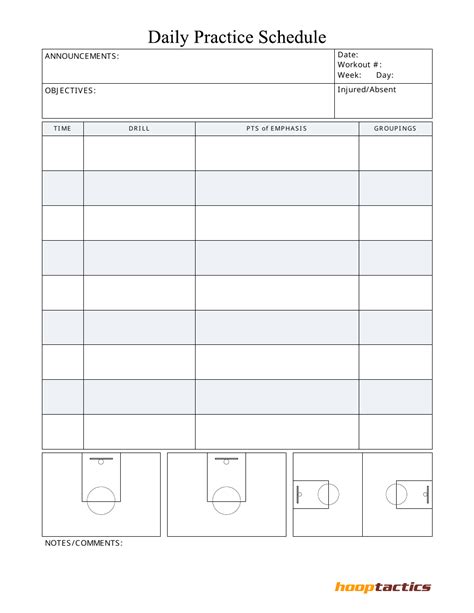
Quality over quantity is key. Instead of endless grinding, structure your practice sessions with clear goals. Integrate short, regular breaks (e.g., 5-10 minutes every hour) and longer breaks throughout the day.
- Create a Schedule: Define specific hours for practice, VOD review, and physical activity, ensuring dedicated time away from the screen.
- Batch Tasks: Group similar tasks (e.g., aim training, specific drills) to maximize efficiency and minimize mental switching costs.
- Active Recovery: Use breaks for light stretching, walking, or non-gaming activities to refresh your mind and body.
2. Prioritizing Physical Well-being
A healthy body supports a healthy mind. Neglecting physical health can quickly lead to mental decline.
- Sleep Hygiene: Aim for 7-9 hours of quality sleep. Establish a consistent sleep schedule and create a relaxing bedtime routine.
- Nutrition: Fuel your body with balanced meals, avoiding excessive sugar and processed foods that can lead to energy crashes and mood swings.
- Exercise: Incorporate regular physical activity. Even 30 minutes of cardio or strength training a few times a week can significantly reduce stress and improve focus.
3. Cultivating Mindfulness and Hobbies
Stepping away from the game allows your mind to decompress and process information. Engaging in activities outside of esports is crucial for a balanced life.
- Mindfulness Practices: Simple meditation, deep breathing exercises, or journaling can help manage stress and improve focus.
- Non-Gaming Hobbies: Rediscover old hobbies or explore new ones – reading, playing an instrument, hiking, or spending time with pets. These activities provide a vital escape and help define your identity beyond gaming.

4. Building a Strong Support System
You don’t have to navigate the path alone. A strong support network can provide encouragement, perspective, and emotional stability.
- Communicate with Teammates: Foster open and honest communication about challenges, both in-game and personal.
- Connect with Friends and Family: Maintain relationships outside of esports. They offer a grounded perspective and unconditional support.
- Seek Mentorship: Find experienced players or coaches who can offer guidance on both gameplay and mental resilience.
5. Knowing When to Seek Professional Help
There’s no shame in seeking professional help. Mental health professionals can provide tools and strategies tailored to your unique situation.
- Therapy/Counseling: A therapist can help address underlying issues, develop coping mechanisms for stress and anxiety, and provide a safe space to discuss challenges.
- Sports Psychologists: Many esports organizations now employ sports psychologists who specialize in performance enhancement through mental training.

Conclusion: A Holistic Path to Pro Status
Becoming an esports pro is a marathon, not a sprint. While talent and practice are undeniable cornerstones, neglecting mental and physical well-being can derail even the most promising careers. By adopting a holistic approach that prioritizes structured practice, physical health, mindfulness, social support, and professional care, aspiring esports athletes can not only achieve their competitive dreams but also sustain a healthy and fulfilling life. Balancing the grind with self-care is not a weakness; it’s the ultimate strategic advantage for long-term success in the demanding world of professional gaming.