How to boost FPS in competitive shooters without upgrading my GPU?

Unleash Your PC’s Hidden Potential for Competitive Gaming
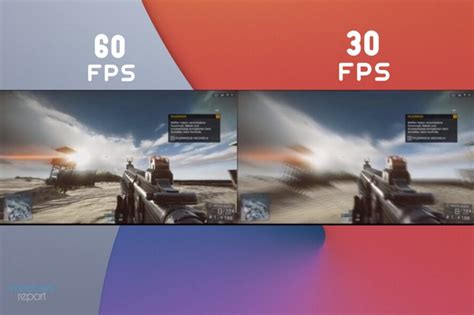
In the fast-paced world of competitive shooters, every frame per second (FPS) counts. A higher frame rate translates to smoother gameplay, reduced input lag, and a significant edge over opponents. While upgrading your graphics card (GPU) is the most obvious path to higher FPS, it’s not always an option. Fortunately, there are numerous effective strategies you can employ to squeeze more performance out of your current setup without spending a dime on new hardware. This guide will walk you through essential software tweaks, system optimizations, and maintenance tips to boost your FPS and enhance your competitive edge.
1. Master In-Game Graphics Settings
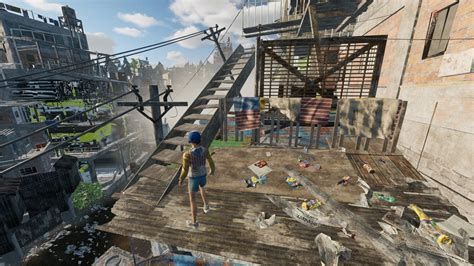
The first and most impactful area to optimize is within the game itself. Developers often include a plethora of graphics options, many of which are resource-intensive but offer minimal competitive advantage. Focus on these:
- Resolution: Lowering your display resolution (e.g., from 1920×1080 to 1600×900 or even 1280×720) will significantly boost FPS. While textures might appear less sharp, the performance gain is often worth it for competitive play.
- Texture Quality: This impacts the detail of surfaces. Medium or Low settings can free up GPU VRAM and improve performance without making the game unplayable.
- Shadow Quality: Shadows are notoriously demanding. Set them to Low or even turn them off if the game allows. They often obscure visibility more than they enhance it in competitive scenarios.
- Anti-Aliasing (AA): AA smooths jagged edges but is a major FPS killer. Try turning it off or using less demanding forms like FXAA instead of MSAA.
- Post-Processing Effects: Effects like motion blur, depth of field, lens flare, and bloom look cinematic but eat frames. Disable them all.
- Draw Distance/View Distance: Reducing this means less scenery is rendered in the distance, saving resources.
- V-Sync: Always disable V-Sync in competitive games. It introduces input lag and caps your FPS to your monitor’s refresh rate.
2. Keep Your Drivers and OS Updated
Outdated drivers are a common culprit for poor performance. Ensure your system’s software is always current:
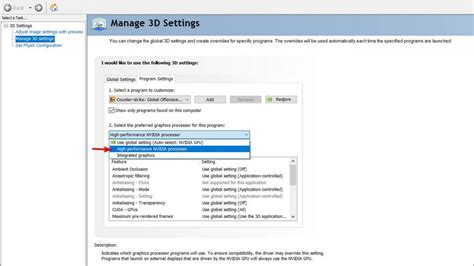
- Graphics Drivers: Regularly check for and install the latest drivers from NVIDIA, AMD, or Intel. These updates often include performance optimizations specifically for newer games.
- Windows Updates: Keep your operating system updated. Microsoft often releases performance enhancements and bug fixes that can indirectly improve gaming.
- Enable Game Mode: Windows 10 and 11 feature a “Game Mode” which prioritizes your game’s resources and suppresses background activity. Access it via
Settings > Gaming > Game Mode.

3. Optimize Windows Settings for Peak Performance
Your operating system often runs numerous background processes that consume valuable CPU and RAM cycles. Tweak these settings:
- Power Plan: Set your power plan to “High Performance” (or “Ultimate Performance” if available). Go to
Control Panel > Hardware and Sound > Power Options. - Disable Background Apps: Prevent unnecessary applications from running in the background. In Windows Settings, navigate to
Privacy > Background appsand toggle off those you don’t need. - Disable Visual Effects: Windows’ fancy visual effects (animations, shadows, transparency) consume resources. You can turn them off by searching for “Adjust the appearance and performance of Windows” and selecting “Adjust for best performance.”
- Startup Programs: Open Task Manager (
Ctrl+Shift+Esc), go to the “Startup” tab, and disable any non-essential programs from launching with Windows.
4. Hardware Maintenance and BIOS Adjustments
Sometimes, performance bottlenecks aren’t software-related. Overheating or sub-optimal BIOS settings can hinder your system:
- Clean Your PC: Dust accumulation inside your PC can lead to overheating, causing components (CPU and GPU) to “throttle” their performance to prevent damage. Regularly clean your fans, heatsinks, and case interiors with compressed air.
- XMP Profile for RAM: If your RAM supports it, enable the XMP (Extreme Memory Profile) or DOCP (Direct Overclock Profile) in your motherboard’s BIOS/UEFI. This ensures your RAM runs at its advertised speed, significantly impacting overall system performance, especially CPU-intensive games.
- CPU Core Parking (Advanced): While less common on modern CPUs, some older systems might benefit from disabling CPU core parking to ensure all cores are active. Exercise caution with advanced BIOS settings.

5. Consider Other Hardware Bottlenecks (Without Upgrading GPU)
While you’re not upgrading your GPU, other components play a crucial role:
- RAM Speed & Capacity: Ensure you have at least 8GB of RAM (16GB is ideal for modern gaming) and that it’s running in dual-channel mode. Faster RAM (e.g., 3200MHz vs 2400MHz) can also offer noticeable FPS gains, especially in CPU-bound scenarios.
- CPU Performance: Even if your GPU is weak, a struggling CPU can hold it back. Close any unnecessary background programs before gaming to free up CPU cycles. If you have an unlocked CPU and adequate cooling, a mild overclock can provide a boost.
- SSD vs. HDD: While an SSD won’t directly increase your FPS during gameplay, it dramatically reduces game loading times and can improve texture streaming in open-world games, leading to a smoother experience. If your OS and games are on an HDD, consider migrating them to an SSD.
Conclusion
Achieving higher FPS in competitive shooters doesn’t always require a costly GPU upgrade. By diligently optimizing your in-game settings, keeping your drivers and operating system up to date, tweaking Windows performance options, performing regular hardware maintenance, and ensuring your other components aren’t bottlenecks, you can significantly improve your gaming experience. Experiment with these tips to find the perfect balance between visual quality and buttery-smooth frame rates, giving you the competitive edge you need.