How to build mental resilience for competitive gaming & overcome tilt?
The Unseen Battlefield: Why Mental Resilience Matters in Esports
In the high-stakes world of competitive gaming, mechanical skill and strategic prowess are undeniably crucial. However, beneath the surface of lightning-fast reflexes and intricate game plans lies an even more critical component for consistent success: mental resilience. The ability to perform under pressure, bounce back from setbacks, and maintain composure in the face of adversity often separates the champions from the contenders. This article delves into the strategies and techniques competitive gamers can employ to cultivate a steel-strong mindset and conquer the dreaded phenomenon known as ’tilt.’
Understanding and Identifying Tilt
Tilt is a state of mental or emotional frustration, anger, or anxiety that leads to suboptimal decision-making and performance. It’s the enemy of consistency, transforming skilled players into shadows of their former selves. Tilt can manifest in various ways: aggressive overextension, passive play, toxic communication, or simply losing focus and making repetitive mistakes. Understanding its triggers is the first step towards overcoming it. Common triggers include:
- Unfair losses: Losing despite feeling you played well or due to external factors.
- Teammate mistakes: Frustration with the performance or decisions of allies.
- Personal errors: Dwelling on your own misplays.
- Losing streaks: A cumulative effect of successive defeats.
- Pressure: High-stakes matches or expectations.
Recognizing the onset of tilt—whether through increased heart rate, tunnel vision, or impulsive actions—is vital for intervention.
Foundations of Mental Resilience: Cultivating a Champion’s Mindset
1. The Growth Mindset
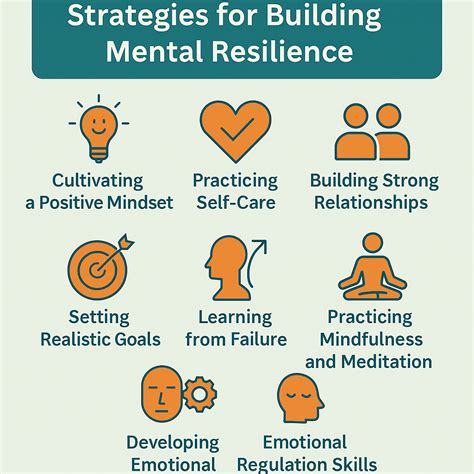
Adopt a growth mindset, believing that abilities and intelligence can be developed through dedication and hard work. Instead of viewing losses as personal failures, see them as opportunities for learning and improvement. This perspective shifts focus from innate talent to effort and strategy, making setbacks less emotionally damaging.
2. Self-Awareness and Emotional Regulation
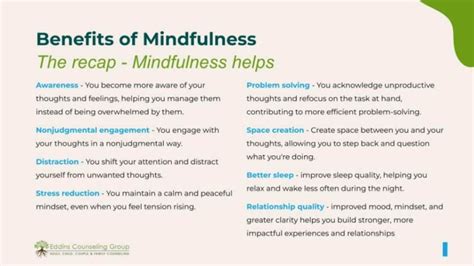
Practice mindfulness and self-reflection to understand your emotional state. Before, during, and after games, check in with yourself. Are you feeling calm or agitated? What emotions are rising? Techniques like deep breathing exercises can be incredibly effective. A quick 10-second deep breath can lower your heart rate and bring you back to a more rational state, even in the middle of a tense match.
- Tactical Pauses: If permitted, use in-game pauses to reset your mental state.
- Perspective Shift: Remind yourself it’s just one game, one round, or one moment.
Pre-Game and In-Game Strategies to Prevent and Overcome Tilt
1. Establish Robust Routines
Create pre-game routines that prepare you mentally. This could include stretching, listening to calming music, reviewing strategies, or light warm-up drills. A consistent routine signals to your brain that it’s time to focus and perform, reducing anxiety.
2. Focus on the Process, Not Just the Outcome
While winning is the ultimate goal, obsessing over the outcome can be paralyzing. Instead, focus on executing your game plan, making good decisions, and improving specific aspects of your play. Celebrate small victories and good plays within the game, regardless of the overall score.
3. Effective Communication
In team-based games, clear and calm communication is a powerful anti-tilt tool. Avoid blaming or negative commentary. Focus on constructive calls and positive reinforcement. If a teammate is tilting, try to de-escalate with calm words or by simply focusing on the next objective.
4. Resetting Mid-Game
If you feel tilt creeping in, find a moment to reset. This might involve:
- Stepping away from the keyboard for a few seconds during a respawn.
- Focusing on a simple, low-risk task.
- Taking a few deep breaths and consciously relaxing your shoulders.
- Changing your objective for a moment to something less demanding.
Post-Game Analysis and Recovery
1. Objective Review, Not Self-Flagellation
After a loss, review your gameplay objectively. What went well? What could have been done differently? Avoid harsh self-criticism. The goal is to learn, not to punish yourself. Focus on actionable insights rather than dwelling on mistakes.
2. Detach and Recharge
It’s crucial to disengage from the game after a session, especially after a tough loss. Take a break, step outside, talk to friends, or engage in a non-gaming hobby. This allows your mind to reset and prevents negative emotions from spilling over into your next session.
3. Prioritize Physical Well-being
Mental resilience is intrinsically linked to physical health. Ensure adequate sleep, a balanced diet, and regular physical exercise. Dehydration, poor nutrition, and lack of sleep can significantly amplify stress and make you more susceptible to tilt.

Building Long-Term Resilience
Building mental resilience is not a one-time fix but an ongoing journey. It requires consistent practice and self-reflection. Consider seeking guidance from esports psychologists or mental coaches who specialize in performance enhancement. Surround yourself with a supportive community that understands the challenges of competitive gaming.
Remember that every professional gamer, regardless of their skill level, experiences tilt. The difference lies in how they manage it. By understanding its mechanisms, adopting proactive strategies, and committing to continuous self-improvement, you can transform your mental game into your strongest asset.
Conclusion
In competitive gaming, the mind is as powerful a tool as any high-end peripheral. By consciously developing mental resilience, understanding and combating tilt, and prioritizing both mental and physical well-being, players can unlock their full potential. This journey requires dedication and self-awareness, but the reward is not just improved performance, but a more enjoyable and sustainable path in the demanding world of esports.