How to combat mod community toxicity and foster positive gaming discussions?

The Unseen Battle: Addressing Toxicity in Gaming Mod Communities
Gaming mod communities are vibrant hubs of creativity, innovation, and passion. They extend the life of beloved games, introduce novel mechanics, and often forge friendships among like-minded individuals. However, beneath this surface of collaborative spirit, a darker element can lurk: toxicity. From overly aggressive feedback and personal attacks to gatekeeping and harassment, negative behaviors can quickly sour the experience for modders and players alike, ultimately stifling growth and driving away talent.
Understanding the root causes of this toxicity is the first step toward combating it. Factors like anonymity, intense emotional investment in a game or mod, differing expectations, and a perceived lack of consequences can fuel hostile interactions. When left unchecked, this environment not only discourages new contributors but also makes existing members feel unwelcome or burnt out, diminishing the very creativity that defines these communities.
Why a Positive Environment Matters for Modding
A healthy modding community is the lifeblood of a game’s longevity. It encourages experimentation, fosters learning, and allows for the free exchange of ideas. When toxicity takes hold, it can lead to:
- Decreased Participation: Modders and players become less willing to share their work or engage in discussions.
- Stifled Innovation: Fear of harsh criticism can prevent modders from trying new things.
- Burnout and Resignation: Talented individuals may leave the community entirely rather than face constant negativity.
- Damaged Reputation: The community itself gains a negative reputation, deterring new members.
Fostering a positive environment isn’t just about preventing bad behavior; it’s about actively cultivating a space where respect, constructive feedback, and mutual support are the norm. This shift empowers individuals, strengthens collaborations, and ultimately enriches the gaming experience for everyone.

Key Strategies to Combat Toxicity
Effectively addressing toxicity requires a multi-faceted approach involving clear guidelines, active moderation, and community empowerment.
1. Establish and Enforce Clear Community Guidelines
Every modding platform or community should have explicitly stated rules of conduct. These guidelines must define what constitutes acceptable and unacceptable behavior, covering everything from respectful communication to the prohibition of harassment and personal attacks. Crucially, these rules must be consistently and fairly enforced by moderators.
2. Implement Proactive and Reactive Moderation
Moderators are the frontline defense against toxicity. Proactive moderation involves regularly monitoring forums, comment sections, and discussion channels to identify and address issues before they escalate. Reactive moderation focuses on responding swiftly and impartially to reported incidents. Empowering users with easy-to-use reporting tools is essential here.
3. Promote Constructive Feedback and Discussion
One common source of toxicity is poorly delivered feedback. Educate your community on how to give constructive criticism – focusing on the mod itself, offering specific suggestions, and maintaining a respectful tone. Likewise, encourage modders to be open to feedback, viewing it as an opportunity for improvement rather than a personal attack. Dedicated channels for bug reports and feature requests can also help channel discussions positively.
4. Recognize and Reward Positive Contributions
Highlighting exemplary behavior can be incredibly effective. Spotlight modders who engage positively, provide helpful support, or foster collaboration. Publicly recognizing constructive discussions and positive interactions reinforces desired behaviors and sets a standard for others to follow.
Fostering a Culture of Positivity and Collaboration
Beyond simply combating negativity, the goal should be to actively cultivate a culture where positive interactions thrive. This involves creating opportunities for connection and shared purpose.
1. Encourage Collaborative Projects
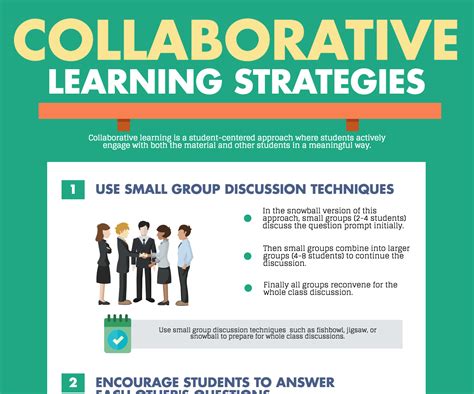
Organizing community-wide modding jams, challenges, or collaborative projects can bring people together with a common goal. Working side-by-side (virtually) often breaks down barriers and builds camaraderie, reducing the likelihood of hostility.
2. Host Q&A Sessions and Developer Spotlights
Regular Q&A sessions with experienced modders or even game developers can humanize the people behind the projects. Spotlighting specific mods or modders with interviews can provide insight into their creative process and foster appreciation.
3. Create Mentorship Programs
Pairing new modders with experienced veterans can provide invaluable guidance and a safe space for learning. Mentors can help newcomers navigate the technical aspects of modding and the social dynamics of the community, shielding them from potential negative experiences.
Conclusion
Combating toxicity and fostering positive discussions in mod communities is an ongoing effort, not a one-time fix. It requires vigilance, consistent application of rules, and a genuine commitment to cultivating a welcoming and respectful environment. By prioritizing clear communication, empowering moderators, and actively promoting constructive engagement, mod communities can truly unlock their full potential, ensuring they remain vibrant, innovative, and enjoyable spaces for all.