How to consistently update evergreen game reviews for patches and DLC?
The Evolving Landscape of Game Reviews
In the dynamic world of video games, a title’s launch state is rarely its final form. Patches, balance changes, and substantial downloadable content (DLC) frequently reshape the player experience long after a game hits the market. For content creators and game journalists, this presents a unique challenge: how do you maintain the relevance and accuracy of an “evergreen” game review when the game itself is constantly evolving? The goal is to provide lasting value to readers, reflecting the current state of a game without constantly rewriting entire articles.
Defining Your Update Strategy and Triggers
The first step in consistently updating evergreen reviews is to establish a clear strategy. This involves defining what constitutes a significant update that warrants a review revision. Minor bug fixes might not require an immediate amendment, but major patches introducing new game modes, rebalancing core mechanics, or launching substantial story DLC certainly do. Create a set of internal guidelines or “trigger points” that prompt an update. These could include:
- Major version number changes (e.g., 1.0 to 2.0).
- Release of significant story expansions or season passes.
- Introduction of new playable characters, classes, or large content zones.
- Overhauls of core gameplay systems or progression.
- Significant community feedback on game-altering changes.
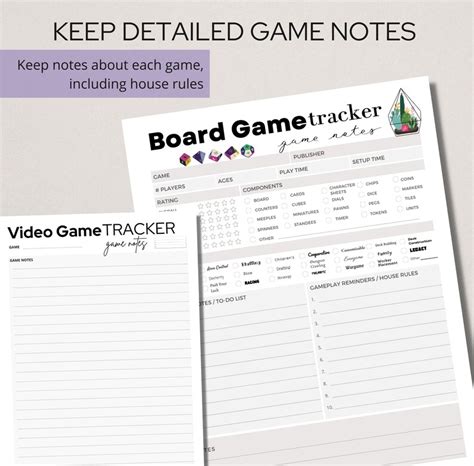
Assigning a dedicated editor or team member responsible for tracking these updates for key evergreen titles can streamline the process, ensuring no critical changes are missed.
Methodologies for Incorporating Updates
Once an update is deemed significant enough, there are several approaches to integrating the new information into your existing review:
Appendices and Addendums
The simplest method is to add a new section, clearly labeled as an “Update” or “Post-Launch Impressions,” at the end of the original review. This section can detail the changes, their impact, and any revised opinions or scores. This preserves the original review as a historical document while providing current context.
Integrated Revisions with Versioning
For more substantial changes, you might choose to weave the new information directly into the relevant sections of the original review. When doing this, it’s crucial to maintain transparency. Include a “Last Updated” date prominently at the top of the article, and consider adding a small changelog or editor’s note detailing what was changed and why. This approach requires careful editing to ensure the updated text flows seamlessly with the original content.
Full Re-Review (Rarely)
In very rare cases, a game might undergo such a dramatic transformation that the original review is almost entirely obsolete. Think of games that completely reinvent themselves over years. In these instances, a full re-review might be warranted, often published as a new article, perhaps linking back to the original for historical context. This is resource-intensive and should be reserved for extreme scenarios.
Integrating DLC and Expansions
DLC and expansions pose a particular challenge, as they often introduce entirely new content and sometimes change the core game’s value proposition. Consider these options:
- Standalone DLC Reviews: If the DLC is substantial enough to stand on its own, publish a separate review for it. Then, update the original base game review with a brief summary of the DLC’s impact and a link to its dedicated review.
- Integrated DLC Sections: For smaller or more interconnected DLC, add a dedicated section within the evergreen review itself. Discuss how the DLC enhances or alters the overall experience, potentially adjusting the main review’s score if the DLC significantly improves or detracts from the total package.
When assessing DLC, consider its value relative to its cost and how seamlessly it integrates into the existing game world. Does it fix previous issues, or introduce new ones?
Maintaining Transparency and Trust
Crucially, transparency builds trust with your audience. Always clearly indicate when a review has been updated and what sections have changed. Implement:
- “Last Updated” Dates: Prominently displayed.
- Editor’s Notes/Changelogs: A small box at the top or bottom detailing the specific updates (e.g., “Review updated to reflect Patch 2.0 and ‘The Void’ DLC impressions.”).
- Archived Versions: If possible, offer a link to the original review or earlier versions for historical context.
This not only helps readers understand the review’s current relevance but also demonstrates your commitment to accuracy and journalistic integrity. Consistency in your update approach across all evergreen reviews will also reinforce this trust.

Conclusion
Updating evergreen game reviews is no longer an optional extra but a fundamental aspect of providing valuable, accurate, and long-lasting content. By establishing clear update triggers, employing thoughtful methodologies for integration, carefully considering DLC, and always prioritizing transparency, you can ensure your reviews remain relevant for years, serving both new players discovering a game and veterans experiencing its evolution.