How to craft concise gaming guides for quick answers without spoilers?

The Core Challenge: Information Without Ruin
In the vast and immersive world of video games, players often encounter moments where they need a quick nudge, a specific item location, or a puzzle solution. While comprehensive walkthroughs have their place, the modern gamer frequently seeks immediate, actionable answers without wading through pages of narrative or, worse, stumbling upon crucial plot spoilers. Crafting such concise, spoiler-free guides is an art that enhances the gaming experience rather than detracting from it.
The goal is clear: provide the precise information a player needs, exactly when they need it, while meticulously safeguarding the game’s story and discovery elements. This delicate balance requires thoughtful planning, precise language, and a deep understanding of player intent.

Audience First: What Do Players Really Want?
Before writing a single word, consider the user’s mindset. A player searching for a guide often has a specific, immediate problem: “Where is the key for this door?” or “How do I defeat this mini-boss?” They are not looking for a summary of the game’s lore or an hour-by-hour account of its progression. They want a direct answer, presented clearly and efficiently.
Focus on questions, not stories. Anticipate the common pain points and design your content to address them head-on. This means thinking about keywords players might use to find your guide and structuring your content to match those queries.
Structure for Instant Gratification
The layout and organization of your guide are paramount for quick answers. Employ clear, descriptive headings that immediately convey the section’s purpose. Utilize bullet points and numbered lists for steps, items, or locations, making information digestible at a glance. Avoid dense paragraphs that require extensive reading.
Implement a logical flow that moves from the problem to the solution without unnecessary detours. For complex topics, consider a ‘quick summary’ or ‘TL;DR’ section at the top, followed by more detailed explanations for those who need them. Searchability within the guide (e.g., using a table of contents or anchor links) is also a huge plus.
Mastering the Spoiler Shield
This is arguably the most critical aspect. To prevent spoilers, strictly avoid discussing plot points, character motivations, or future game events. When describing locations, use the in-game name and only the necessary navigational cues. Instead of saying, “After a heartbreaking revelation, you’ll find the sword in the abandoned orphanage,” opt for, “The [Sword Name] is located in the [Orphanage Location Name].”
For boss fights, focus on mechanics and strategy rather than the boss’s narrative significance or the build-up to the encounter. If a crucial detail is absolutely unavoidable and might be considered a minor spoiler, use clear spoiler warnings or hide the text behind a clickable tag.
Embrace Brevity: Get to the Point
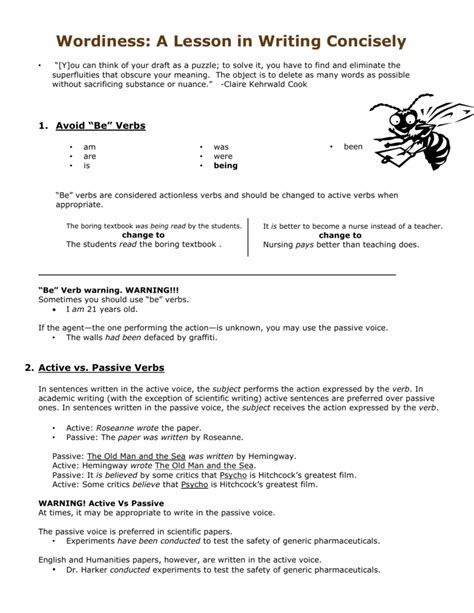
Conciseness isn’t just about avoiding spoilers; it’s about efficiency. Every word should serve a purpose. Cut out introductory fluff, anecdotal experiences, and redundant phrasing. If a sentence can be shorter without losing its meaning, shorten it. Use precise verbs and nouns. For example, instead of “You have to go all the way over to the left side of the screen and find the glowing object,” say “Go left to find the glowing object.”
Imagine a player looking at your guide on a small phone screen during intense gameplay. Can they extract the answer in five seconds or less? If not, refine it.
Practical Formatting and Delivery
Beyond the text, consider the visual elements. Simple, clear formatting with good contrast and readable fonts is essential. If possible, integrate relevant, spoiler-free screenshots or simple diagrams that visually clarify steps or locations. Ensure images don’t reveal future areas or plot elements.
When publishing, consider platforms that allow for easy navigation and updates, such as wikis, dedicated guide sites, or forums with good formatting options. Linking to related guides (e.g., a guide for an earlier part of a quest) can also improve user experience without bloating the current guide.

Conclusion: Empowering Players, One Guide at a Time
Crafting concise, spoiler-free gaming guides is a valuable service to the gaming community. It respects players’ time and their desire to experience the game’s story on their own terms, while still providing the essential help they seek. By focusing on direct answers, smart structuring, diligent spoiler prevention, and overall brevity, you can create resources that truly enhance the journey for countless gamers, guiding them through challenges without ever revealing the magic.