How to craft Indie Spotlights for maximum game discoverability & player interest?
Why Indie Spotlights are Essential for Game Developers
In the vast ocean of new game releases, standing out as an indie developer can feel like an insurmountable challenge. Indie spotlights aren’t just promotional pieces; they are your narrative tools, designed to cut through the noise, introduce your game’s soul, and forge a connection with potential players. A well-crafted spotlight can be the difference between obscurity and a passionate community, transforming curious glances into dedicated fans.
Effective spotlights go beyond mere feature lists, delving into the heart of what makes your game unique. They tell a story, evoke emotion, and provide a glimpse into the passion and effort poured into its creation. This article will guide you through the process of developing spotlights that resonate, ensuring your game gets the attention it deserves.

Elements of an Irresistible Indie Spotlight
Highlighting Your Game’s Unique Selling Points (USPs)
Every indie game has a unique hook, whether it’s an innovative mechanic, a distinctive art style, a compelling narrative, or an emotional theme. Your spotlight must clearly articulate these USPs. Don’t just state them; demonstrate them through vivid descriptions, engaging visuals, and concise explanations. What makes your game different? What problem does it solve, or what emotion does it evoke that no other game does quite the same way?
Visual Storytelling is Key
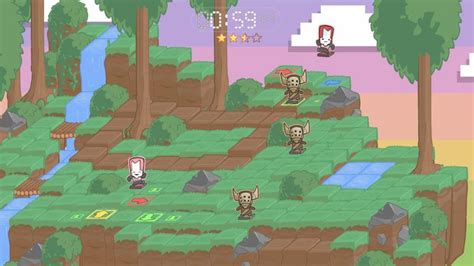
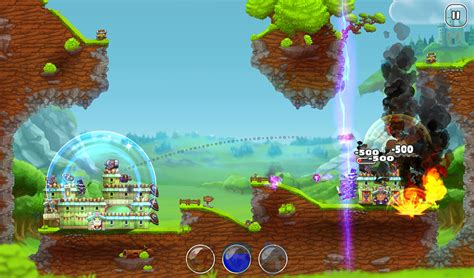
Gamers are visual creatures. High-quality screenshots, captivating GIFs, and short, punchy gameplay videos are non-negotiable. Show, don’t just tell. Use these visuals to convey the mood, art style, and core gameplay loop. Think about the most exciting moments or the most aesthetically pleasing scenes in your game and use them to grab attention immediately. A strong visual identity can often communicate more than paragraphs of text.
The Developer’s Voice: Authenticity and Passion
Players often connect with indie games because of the passionate individuals behind them. Inject your personality and the story behind your game’s development into the spotlight. What inspired you? What challenges did you overcome? Sharing your journey humanizes your game and builds a bridge of authenticity with your audience. A personal touch can turn a passive observer into a vested supporter.
Crafting the Content: Structure and Flow
A good spotlight follows a natural progression, guiding the reader from intrigue to interest. Begin with an attention-grabbing hook – a compelling question, a bold statement, or a captivating image. Follow this with an introduction to your game, its genre, and its core premise. Then, dive deeper into the unique features, gameplay mechanics, and narrative elements that set it apart.
- The Hook: A captivating title or opening sentence that grabs immediate attention.
- The Core Premise: A concise explanation of what your game is about.
- Features & Mechanics: Detailed descriptions of what makes your game fun and unique.
- Visual Showcase: Integrate screenshots, GIFs, and trailer links strategically.
- Developer Insight: Share a personal story or development journey.
- Call to Action (CTA): Clearly state what you want players to do next (e.g., wishlist, follow, play demo).
Strategies for Maximum Discoverability
SEO and Keywords
Just like any other online content, indie spotlights benefit from Search Engine Optimization (SEO). Identify relevant keywords that players might use to find games like yours (e.g., ‘pixel art RPG’, ‘narrative adventure game’, ‘co-op survival’). Incorporate these naturally into your spotlight’s text, tags, and even image descriptions. This helps your spotlight appear higher in search results on platforms like Steam, Itch.io, or even Google.
Multi-Platform Distribution
Don’t limit your spotlight to a single platform. Adapt and distribute it across various channels:
- Gaming News Sites & Blogs: Reach out to journalists and content creators.
- Social Media: Tailor content for Twitter, TikTok, Instagram, and Reddit.
- Developer Communities: Share on forums, Discord servers, and dedicated subreddits.
- Email Newsletters: Leverage your mailing list to inform subscribers.
Each platform has its nuances; understand your audience on each and adjust your spotlight’s format and tone accordingly.

Engaging Your Audience & Measuring Success
Fostering Community Interaction
An indie spotlight isn’t a one-way street. Encourage comments, questions, and feedback. Respond genuinely and promptly. Host Q&A sessions, run polls, or invite players to join your Discord server. Building a community around your game before launch is invaluable for long-term player interest and word-of-mouth marketing.
Analytics and Iteration
Track the performance of your spotlights. Which platforms generated the most clicks or wishlists? Which visuals performed best? Use analytics data to understand what resonates with your audience and what doesn’t. Don’t be afraid to iterate and refine your spotlight approach based on these insights. What works for one game might not work for another, so continuous learning is vital.

Conclusion
Crafting effective indie spotlights is an art that blends marketing savvy with genuine passion. By focusing on your game’s unique identity, embracing visual storytelling, and connecting authentically with players, you can significantly enhance your game’s discoverability and cultivate a loyal community. Remember, your spotlight is more than just an advertisement; it’s an invitation into the world you’ve painstakingly built, and with the right approach, it can be your most powerful tool for success.