How to craft Indie Spotlights that genuinely cut through noise for developers & players?
The Indie Game Discovery Challenge
In the vast, ever-expanding galaxy of video games, indie titles shine as beacons of innovation, creativity, and passion. Yet, for every gem that captures the world’s attention, countless others struggle to find their audience. The digital storefronts are more crowded than ever, making genuine discovery a Herculean task for both the developers pouring their hearts into these creations and the players eager for their next unique experience. Crafting an “Indie Spotlight” is no longer just about showcasing a game; it’s about building a bridge through the noise, connecting creators with their potential fans in a meaningful, memorable way.
This article delves into the art and science of creating indie spotlights that not only present a game but tell its story, celebrate its creators, and entice players to dive in. We’ll explore strategies to move beyond generic announcements and foster true engagement.

Understanding Your Audience: Developers & Players
To genuinely cut through the noise, an indie spotlight must serve a dual purpose: it must be valuable to the developer and irresistible to the player. For developers, a good spotlight offers visibility, validates their hard work, and ideally, drives wishlists, purchases, and community growth. For players, it’s about uncovering something new and exciting, feeling a connection to the game or its creators, and gaining confidence in their next gaming investment.
Therefore, every element of your spotlight, from the opening hook to the closing call to action, should be designed with these twin objectives in mind. It’s about empathy – understanding the developer’s journey and the player’s desires.
Key Elements of a Standout Indie Spotlight
Crafting a Compelling Narrative
Forget dry feature lists. The heart of any truly effective spotlight is a compelling story. What inspired the game? What unique challenges did the developers overcome? What emotional experience does the game aim to deliver? Weave these threads into a narrative that captivates. Highlight the game’s unique selling proposition (USP) not as a bullet point, but as a crucial part of its identity.
Showcasing Visual Appeal & Gameplay
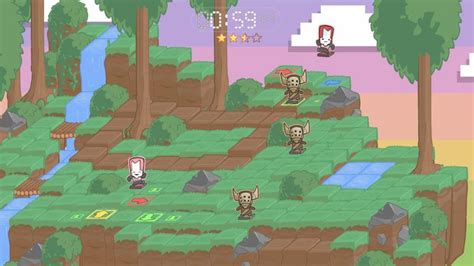
Indie games often excel in unique art styles and innovative mechanics. Your spotlight must reflect this. Use high-quality screenshots, captivating GIFs, and embedded gameplay trailers that demonstrate the game in action. Don’t just show; explain why these visuals and mechanics matter and how they contribute to the player’s experience. Focus on moments that evoke emotion or curiosity.

Integrating Developer Insights & Personal Touch
Players love authenticity. Including direct quotes from the developers, a brief interview snippet, or even a glimpse into their development process can forge a powerful connection. This human element transforms the game from an abstract product into the tangible result of someone’s passion. It builds trust and makes the spotlight more relatable.
Clear Call to Action & Community Engagement
Every spotlight needs a clear next step. Whether it’s “Wishlist on Steam,” “Join the Discord,” or “Follow on Twitter,” make it obvious what players should do if they’re interested. Beyond a simple CTA, encourage interaction. Ask questions, run polls, or invite comments to foster a budding community around the game even before its launch.

Distribution and Amplification Strategies
Even the most perfectly crafted spotlight won’t cut through noise if it’s not seen. Think beyond your own platform. Share it across relevant social media channels, reach out to gaming journalists and influencers who cover similar genres, and consider pitching it to larger indie game aggregators or communities. Leverage developer networks and cross-promotion opportunities. A well-distributed spotlight exponentially increases its chances of success.
Measuring Impact and Iterating
After launching your spotlight, track its performance. Monitor website traffic, wishlist additions, social media engagement, and any direct feedback. What worked well? What could be improved? Use these insights to refine your approach for future spotlights. The world of indie game marketing is dynamic; continuous learning and adaptation are key to sustained success.
Conclusion
Crafting indie spotlights that truly resonate is an art form rooted in storytelling, empathy, and strategic dissemination. By focusing on compelling narratives, showcasing unique gameplay, celebrating developer passion, and employing smart distribution, you can create a beacon that guides both developers to their audience and players to their next beloved indie gem. In a sea of countless titles, your spotlight can be the lighthouse that genuinely cuts through the noise.