How to create concise gaming guides for quick answers, avoiding bloat?

In the fast-paced world of gaming, players often need quick answers to specific problems. Whether it’s finding a rare item, understanding a tricky boss mechanic, or navigating a complex questline, time is of the essence. Yet, many gaming guides fall into the trap of being overly verbose, burying crucial information under paragraphs of unnecessary detail. Learning to craft concise guides not only respects your audience’s time but also establishes you as a reliable source of information.
Understanding the Need for Brevity
Modern gamers are accustomed to instant gratification. When they search for “how to beat {boss name}” or “where to find {item},” they aren’t looking for a novel; they’re looking for actionable steps and solutions, ideally within seconds. Bloated guides lead to frustration, forcing players to skim endlessly or abandon the guide altogether. A concise guide, by contrast, gets straight to the point, delivering information efficiently and effectively.

Strategic Planning for Concise Content
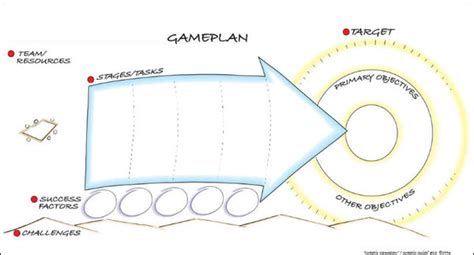
Before you even write the first word, thoughtful planning is crucial. This foundational step ensures your guide remains focused and avoids scope creep.
Identify Core Questions
- What specific problem or question does this guide aim to solve?
- Who is the target audience (new players, seasoned veterans, completionists)?
- What is the absolute minimum information required to answer the question?
Define Scope Clearly
Resist the urge to cover everything. If your guide is about “How to defeat the Golem King,” stick to just that. Don’t tangent into lore, character builds, or item farming unless directly pertinent to the boss fight itself. If those topics are important, they deserve their own concise guides.
Writing Techniques for Maximum Clarity
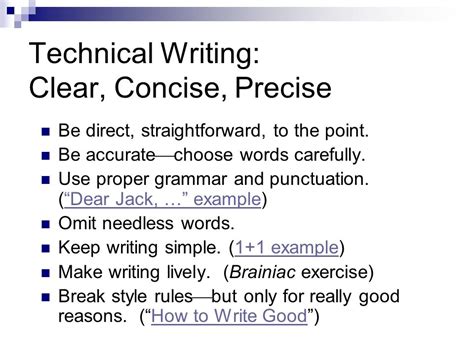
Once your plan is solid, focus on the actual writing. Every word should earn its place.
Use Direct and Active Language
Avoid passive voice and convoluted sentences. “You should use the shield to block its attack” is better than “Its attack should be blocked by the player utilizing the shield.” Get straight to the instruction.
Embrace Bullet Points and Numbered Lists
These are your best friends for presenting step-by-step instructions or key pieces of information. They break up text, making it incredibly easy to scan and digest. For example, instead of a paragraph describing a quest, list the objectives: “1. Talk to NPC X. 2. Collect 5 items from Y. 3. Return to NPC X.”
Prioritize Essential Information
Lead with the most critical details. If a boss has a specific weakness, state it at the beginning of that section. Put crucial warnings (“Don’t stand in the fire!”) front and center. Unnecessary anecdotes or personal experiences, while sometimes charming, are usually bloat in a quick-answer guide.
Formatting for Instant Readability
Even perfectly written content can be hard to follow if poorly formatted. Structure is key for quick answers.
Strategic Use of Headings and Subheadings
Break your guide into logical sections with clear, descriptive headings (H2, H3). This allows readers to quickly navigate to the exact part they need without scrolling through irrelevant text. For example, a boss guide might have sections like “Phase 1 Strategy,” “Key Abilities,” and “Recommended Gear.”
Bold Key Terms and Actions
Highlight important nouns (item names, enemy types, ability names) and verbs (attack, dodge, interact). This immediately draws the eye to crucial information.
Short Paragraphs and White Space
Avoid dense blocks of text. Keep paragraphs short, ideally 2-4 sentences. Ample white space around text makes the guide less intimidating and easier to read.
Editing and Refining for Perfection
The first draft is rarely the final draft, especially for concise content. Editing is where you trim the fat.
Ruthless Self-Editing
Read through your guide specifically looking for words, phrases, or even entire sentences that can be removed without losing critical meaning. Ask: “Is this absolutely necessary?” “Can I say this more simply?” Be brutal. Redundancy is the enemy of conciseness.
Test for Clarity and Completeness
Have someone unfamiliar with the content (ideally a target audience member) read your guide and try to follow its instructions. Did they get stuck? Did they have unanswered questions? This feedback is invaluable for identifying areas where more clarity or a slightly different approach is needed.
The Power of Concise Gaming Guides
Creating concise gaming guides is an art form that prioritizes efficiency and user experience. By planning strategically, writing directly, formatting intelligently, and editing ruthlessly, you can produce resources that players genuinely appreciate. These guides don’t just provide answers; they provide them quickly and clearly, building a reputation for reliability and becoming go-to resources for the gaming community. Embrace brevity, and watch your guides become indispensable.