How to curate user-made game mods for quality and compatibility in a gaming community?
The Importance of Mod Curation in Gaming Communities
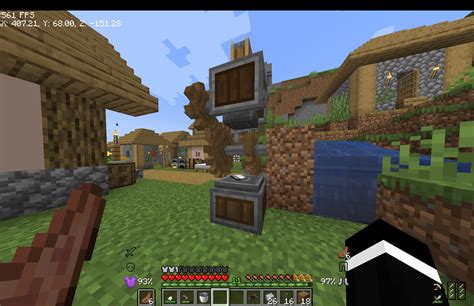
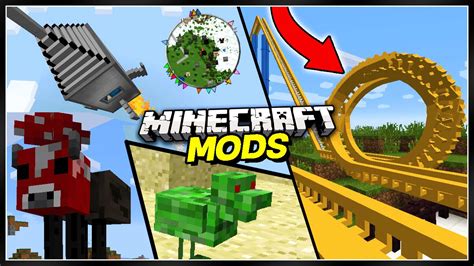
User-made game modifications (mods) are the lifeblood of many gaming communities, extending game lifespans, adding new content, and fostering incredible creativity. However, the sheer volume and varied quality of these mods can quickly become overwhelming, leading to compatibility issues, game crashes, and a frustrating experience for players. Curating user-made mods is not just about sifting through files; it’s about safeguarding the community’s experience, ensuring stability, and promoting quality creations. A well-curated mod ecosystem encourages participation, reduces support queries, and ultimately keeps players engaged and happy.
Establishing a robust curation process is vital for any community that embraces modding. It involves a multi-faceted approach, combining clear guidelines, community involvement, and dedicated moderation efforts. Without proper curation, a modding scene can devolve into chaos, deterring new players and even driving away veterans.

Establishing Clear Guidelines and Standards
The first step in effective mod curation is to define what constitutes an acceptable and high-quality mod. These guidelines should be easily accessible, comprehensive, and cover various aspects of mod creation and submission. Key areas to address include:
- Technical Stability: Mods should be stable, not cause crashes, or introduce severe bugs. They should ideally be optimized to minimize performance impact.
- Compatibility: Explicitly state which game versions or other popular mods a new mod should be compatible with. Define how to handle potential conflicts.
- Content Appropriateness: Outline what content is permissible (e.g., no explicit, hateful, or illegal content) in line with the community’s and platform’s terms of service.
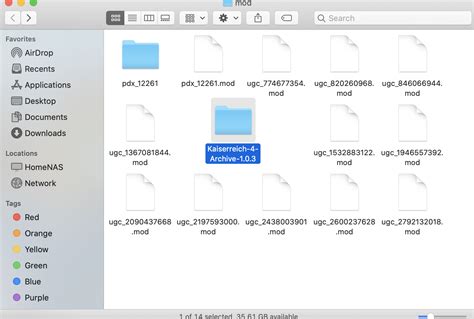
- Installation Simplicity: Mods that are easy to install and uninstall are generally preferred, contributing to a better user experience. Clear installation instructions should be mandatory.
- Originality & Attribution: Emphasize the importance of original work and proper attribution when using assets created by others.
These guidelines serve as a benchmark for mod creators and provide a clear framework for curators during evaluation. Regularly reviewing and updating these standards based on community feedback and game updates is also crucial.
Leveraging Community Involvement in the Curation Process
No single moderator or small team can handle the volume of mods submitted to a popular game. Empowering the community is essential. Implement systems that allow players to report problematic mods, provide feedback, and even endorse quality creations. Features like user ratings, comment sections, and bug reporting tools on a mod repository can offer invaluable data points for curators.

Consider establishing a “trusted modder” or “community tested” program, where experienced players or modders can assist in vetting new submissions or highlight particularly stable and well-made mods. This not only lightens the load on official curators but also builds a sense of ownership and collaboration within the community.
The Role of Dedicated Curators and Moderation Tools
While community feedback is vital, a dedicated team of curators or moderators is necessary to make final decisions and enforce guidelines. These individuals should possess a deep understanding of the game, its modding capabilities, and the community’s culture. Their responsibilities include:
- Reviewing new mod submissions against established guidelines.
- Testing mods for stability, functionality, and compatibility (where feasible).
- Responding to community reports and addressing problematic mods.
- Communicating with mod authors regarding issues or suggestions.
- Maintaining a curated list or repository of approved mods.
Providing curators with appropriate tools is equally important. This might include a robust backend for managing submissions, testing environments, or even custom scripts for automated checks (e.g., file integrity, malicious code scans). Clear communication channels between curators and the broader community are also key to transparency and trust.
Implementing a Comprehensive Testing and Vetting Process
The heart of mod curation lies in its testing and vetting process. Simply reading a mod’s description isn’t enough. For critical or highly downloaded mods, a more rigorous approach is often required:
- Initial Review: Check for adherence to content guidelines, clear descriptions, and necessary dependencies.
- Basic Functionality Test: Install the mod in a clean game environment to ensure it runs without immediate crashes or errors.
- Compatibility Testing: Test the mod alongside other popular or essential mods, especially those known to conflict, in a dedicated testing environment.
- Performance Impact: Observe any noticeable frame rate drops or increased loading times.
- Long-Term Stability: For complex mods, a period of extended testing by trusted community members might be beneficial to uncover issues that only appear after prolonged gameplay.
- Feedback Loop: If issues are found, communicate clearly with the mod author, providing constructive feedback and allowing them to make necessary adjustments before approval.
Documenting these test results helps maintain consistency and provides a historical record for future reference. A “sandbox” or “staging” environment is crucial for safely performing these tests without impacting the live game or other players.
Ongoing Maintenance, Updates, and Archiving
Mod curation is not a one-time task; it’s an ongoing process. Games receive updates, mod authors move on, and new bugs can emerge. Curators must actively maintain the mod repository by:
- Monitoring for Updates: Ensuring approved mods are compatible with the latest game patches and encouraging mod authors to update their creations.
- Addressing Broken Mods: Quickly identifying and either removing, quarantining, or flagging mods that have become broken or incompatible.
- Archiving Outdated Mods: Providing an archive for older versions of mods or mods for previous game versions, clearly labeled to prevent confusion.
- Promoting New Creations: Highlighting newly approved, high-quality mods to keep the community vibrant and encourage new content.
Regular communication with mod authors is vital for this stage, fostering a collaborative environment where issues can be resolved proactively. This dynamic maintenance ensures that the curated list remains a valuable resource for all players.
Conclusion
Curating user-made game mods for quality and compatibility is a cornerstone of a healthy and thriving gaming community. By establishing clear guidelines, empowering community feedback, employing dedicated curators with the right tools, and implementing a rigorous testing process, communities can transform a potentially chaotic modding scene into a rich, stable, and endlessly engaging experience. This investment in curation pays dividends in player satisfaction, community growth, and the enduring legacy of the game itself.