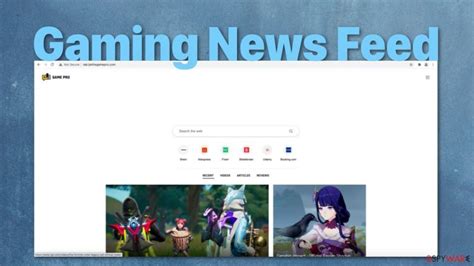
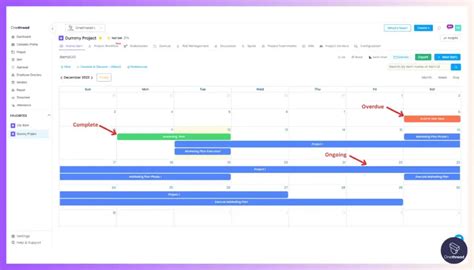
How to deliver urgent gaming news updates without overwhelming users?

The Challenge of Urgent Gaming News
The gaming world moves at lightning speed. New games are announced, patches drop, esports tournaments kick off, and critical updates (like server outages or emergency maintenance) can arise in an instant. For dedicated players, staying informed is crucial, but a constant barrage of notifications can quickly lead to fatigue and disengagement. The core dilemma for news providers is how to cut through the noise with vital information without pushing users to mute or uninstall.
Finding that sweet spot between timely delivery and respecting user attention is paramount. Overwhelming users not only diminishes the impact of truly urgent news but can also erode trust and lead to a negative perception of your platform or service.

Prioritizing and Filtering Information
Not all news is created equal. A critical server outage for a major online title is far more urgent than a minor patch note for a niche indie game. The first step in preventing overwhelm is to implement a robust system for prioritizing news. This involves categorizing updates by severity, relevance, and the potential impact on the user’s immediate gaming experience.
Employing AI or sophisticated filtering algorithms can help segment news. For instance, players of an MMORPG might need immediate alerts about server downtime, while a player primarily interested in single-player RPGs might prefer a weekly digest of game announcements. News providers should develop a clear internal rubric for what constitutes an “urgent” update versus general news.
Strategic Channel Selection
Different types of news warrant different delivery channels. Push notifications on a mobile app are ideal for truly urgent, time-sensitive alerts, but they should be used sparingly. Broader news, such as game announcements or esports results, might be better suited for in-app news feeds, website banners, email newsletters, or dedicated social media channels. The key is matching the urgency and breadth of the news to the interruptive nature of the channel.
Consider multi-channel strategies that allow users to opt-in to different levels of alerts across various platforms. For instance, a critical server alert might trigger a push notification, while a new trailer release is announced via a less intrusive in-app banner or email.
![[300+] Roblox Backgrounds | page 3 | Wallpapers.com](/images/aHR0cHM6Ly90czQubW0uYmluZy5uZXQvdGg/aWQ9T0lQLkVyNVpxZ2tGMV9zMFU5NVFpazBxS0FIYUU4JnBpZD0xNS4x.webp)
Crafting Concise and Actionable Alerts
When an urgent update is necessary, the message itself must be clear, concise, and actionable. Users should be able to grasp the core information and what they need to do (or know) within seconds. Avoid jargon and extraneous details in initial alerts. Provide a headline that gets straight to the point and a brief summary of the impact. Always include a link for users who wish to dive deeper into the details.
For example, instead of “Urgent Maintenance Scheduled for Game Server Alpha-7,” consider “Server Down: [Game Title] Alpha-7 Offline for Emergency Maintenance. Estimated downtime: 1 hour. Tap for details.” This format delivers immediate value and clarity.
User Control and Customization
The most effective way to prevent user overwhelm is to put control directly into their hands. Offer granular notification settings that allow users to customize what kind of news they receive, from which games, and via which channels. This could include:
- Game-specific alerts: Users only receive updates for games they play or follow.
- Category preferences: Opt-in for updates on patches, esports, sales, or general news.
- Delivery method: Choose between push notifications, email, in-app messages, or a combination.
- Do Not Disturb periods: Allow users to silence notifications during specific times.
Regularly review and simplify these settings to ensure they are easy to understand and manage. A complex settings menu can be as overwhelming as too many notifications.

Timing is Everything
Beyond the frequency, the timing of urgent news delivery also matters. While critical issues demand immediate attention, consider the user’s typical gaming habits. Sending non-critical “urgent” news in the middle of the night (their local time) is more likely to annoy than inform. Leverage user data (anonymously and with consent) to understand peak activity times and ideal notification windows for different types of alerts.
For global audiences, time zone awareness is critical. What’s urgent morning news in one region might be a late-night disturbance in another. Implement smart scheduling features that respect regional time differences for non-critical but important announcements.
Measuring and Adapting
Finally, continuously monitor the effectiveness of your news delivery strategy. Track metrics such as notification open rates, opt-out rates, app usage after notifications, and user feedback. Are users engaging with your urgent news? Or are they turning notifications off? A/B testing different approaches to messaging, timing, and channel selection can provide valuable insights.
The landscape of gaming and user expectations is constantly evolving. Be prepared to adapt your strategy based on performance data and direct user input. A proactive, data-driven approach ensures that your urgent gaming news updates are always received as valuable information, not unwelcome interruptions.